
The mid-hills of Nepal sit between 800 and 2,000 meters, where terraced rice and millet share the slopes with cardamom, tea, and citrus. This Nepal Himalayan landscape is beautiful but pest-prone: warm, wet monsoon nights fuel moth and beetle outbreaks, while steep terrain makes fuel-based fogging expensive and risky. In 2025, a group of smallholder cooperatives tested a solar insect killer across their mixed farms to see whether light-based trapping could cut chemical use without hurting yield.
Most households in the project area run a few terraces of rice, a plot of finger millet, and an understory of large cardamom, a high-value export spice. Rice stem borers and cardamom shoot borers were the top concerns, followed by aphids in the millet and leaf-eating caterpillars in tea. Before the trial, growers sprayed synthetic insecticides three to five times per season, mostly on credit, and worried about residue limits for cardamom bound for overseas buyers.
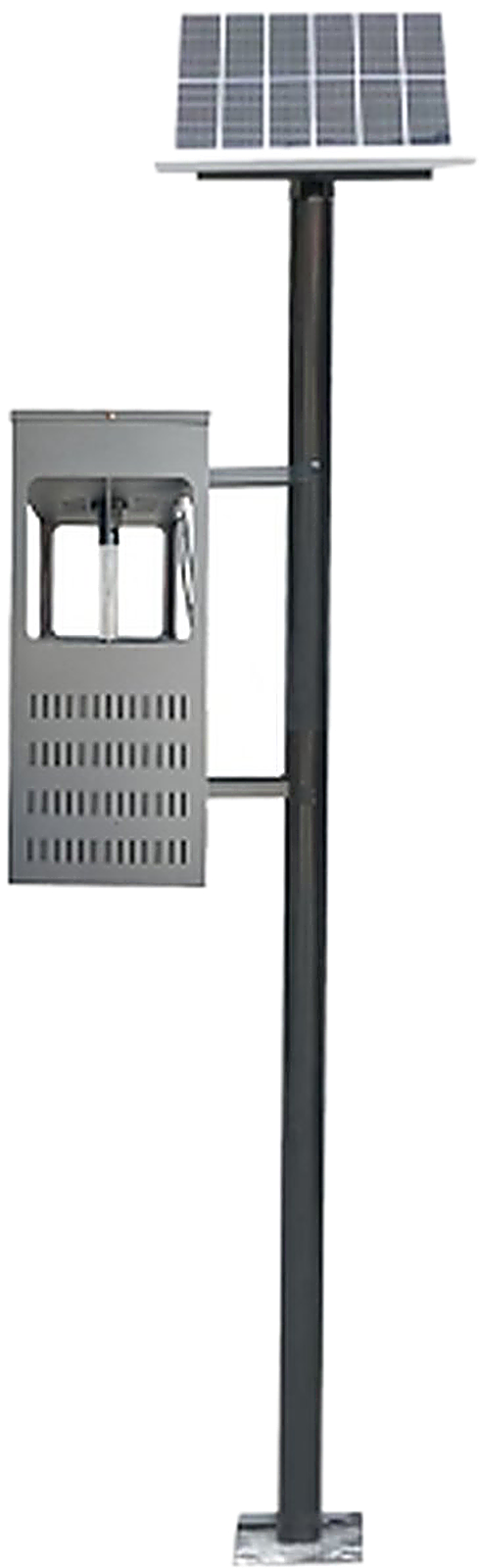
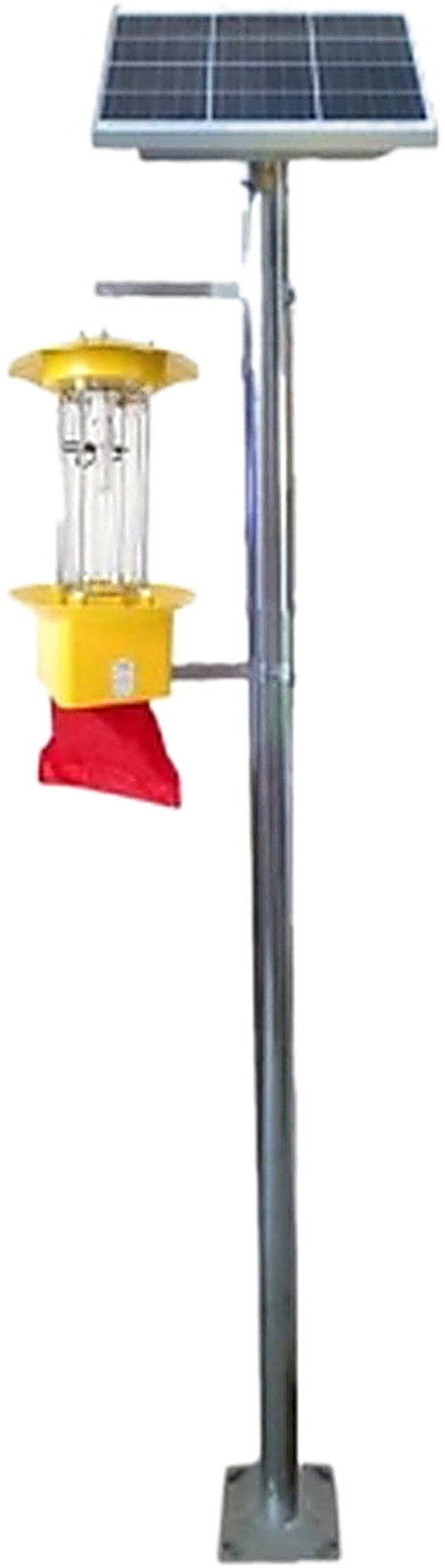
Each participating cluster received two solar insect killers, placed at the windward edge of the cardamom block and beside the rice terraces. The devices charged from the abundant daytime sun and switched on automatically at dusk. A local agricultural pest control facilitator trained members to empty trays weekly and record catch counts alongside simple field scouting notes. No changes were made to planting dates or varieties.
Cooperative records showed a drop from an average of 4.2 sprays per season to 2.6 where the solar bug zapper units ran continuously. Growers reported that adult moth counts in the trays lined up with the weeks they had previously sprayed preventively, giving them a reason to wait and watch instead.
Large cardamom is sold on appearance and residue status. With fewer blanket sprays, the cooperative’s sample lot passed its buyer’s residue screen on the first try, something only one of the groups had managed the year before. The Nepal Himalayan climate, with its intense solar input, kept the units charged even through cloudy stretches.
Rice stem-borer damage, measured as dead hearts per square meter, fell modestly but consistently across the trial plots. Millet aphids were less affected because aphids are weak flyers, a useful reminder that a solar insect killer supports farm pest management best when paired with scouting rather than used alone.
The success came from fit, not magic. The Nepal Himalayan mid-hills have reliable sun, dispersed small plots where a single device covers a whole terrace cluster, and a high-value crop (cardamom) whose buyers reward low-residue production. The trap reduced the adult stage that spreads damage, while cooperative training kept the system running through the season.
Timing mattered more than unit count. Cooperatives that switched the solar insect killer on at the first warm monsoon nights caught borers before they entered the stalks, while late starters saw smaller gains.
Where growers also conserved spiders and predatory beetles by leaving unsprayed buffer rows, pest rebound was slower, showing that the device works best inside a broader IPM plan.
Weekly tray counts and a single damage score were enough to guide decisions. Expensive monitoring was unnecessary for a clear result.
After the first season, three more clusters asked to join the trial. The original groups shared their tray-count sheets and trained new members in a single afternoon, proving the method is easy to copy. The cooperative now pools orders so each cluster buys two solar insect killers together, lowering cost per farm. Because the Nepal Himalayan solar resource is reliable, even the highest new plots kept charging through the pre-monsoon weeks, and pesticide records continued to trend downward across all participating terraces as the program expanded.


Use this guide alongside the references below to build a complete, defensible programme.
For deeper technical and regulatory context, see the FAO Integrated Pest Management and the EPA safe pest control.
Above roughly 2,200 meters, flying-pest pressure drops and sunlight is intermittent in winter, so benefits shrink. The Nepal Himalayan mid-hills are the sweet spot for this approach.
In this trial, two units covered a cluster of about 1.5 hectares of mixed terraces when placed at block edges rather than inside uniform stands.
Yes. Trays contain only insects and require no chemicals; members emptied them into compost or chicken feed after counting.
The onboard battery carried the units through several consecutive cloudy nights, which is typical of well-designed solar insect killer models used in agricultural pest control.
This Nepal Himalayan case study shows that a solar insect killer is not a silver bullet, but it is a practical, low-cost layer that helped smallholders cut sprays, protect cardamom export quality, and keep farm pest management in their own hands. For mountain cooperative networks, the combination of free solar power and simple record-keeping is hard to beat.