
A Morocco Maghreb deployment pairs a solar insect killer with the residue-free export rules that EU buyers now enforce.
North Africa’s Maghreb region—Morocco, Algeria and Tunisia—has built a global reputation for high-value dryland agriculture: argan oil, table and olive oil olives, citrus, date palms and saffron. These crops are also export-dependent, and European buyers now demand residue-free fruit. A growing number of Moroccan and Maghreb growers are turning to the solar insect killer as the backbone of a chemical-free agricultural pest control program that protects both yield and market access.
The Mediterranean climate combines hot, dry summers with mild, wet winters—conditions that favor a specific set of flying pests while limiting the usefulness of blanket spraying.
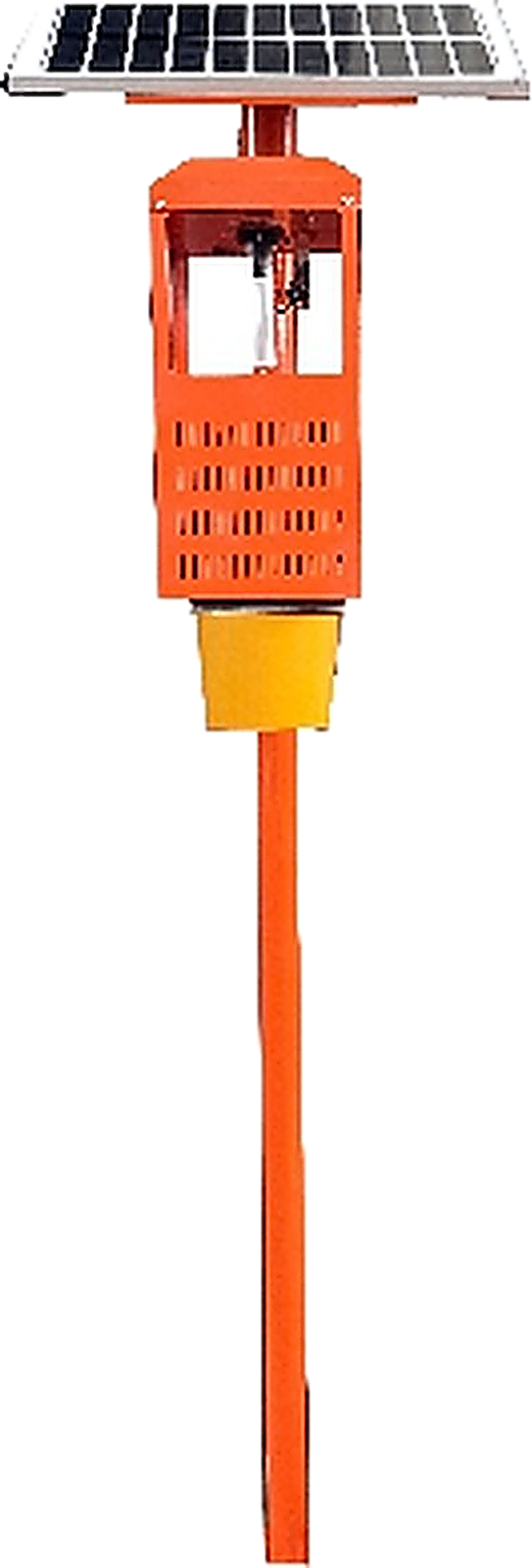
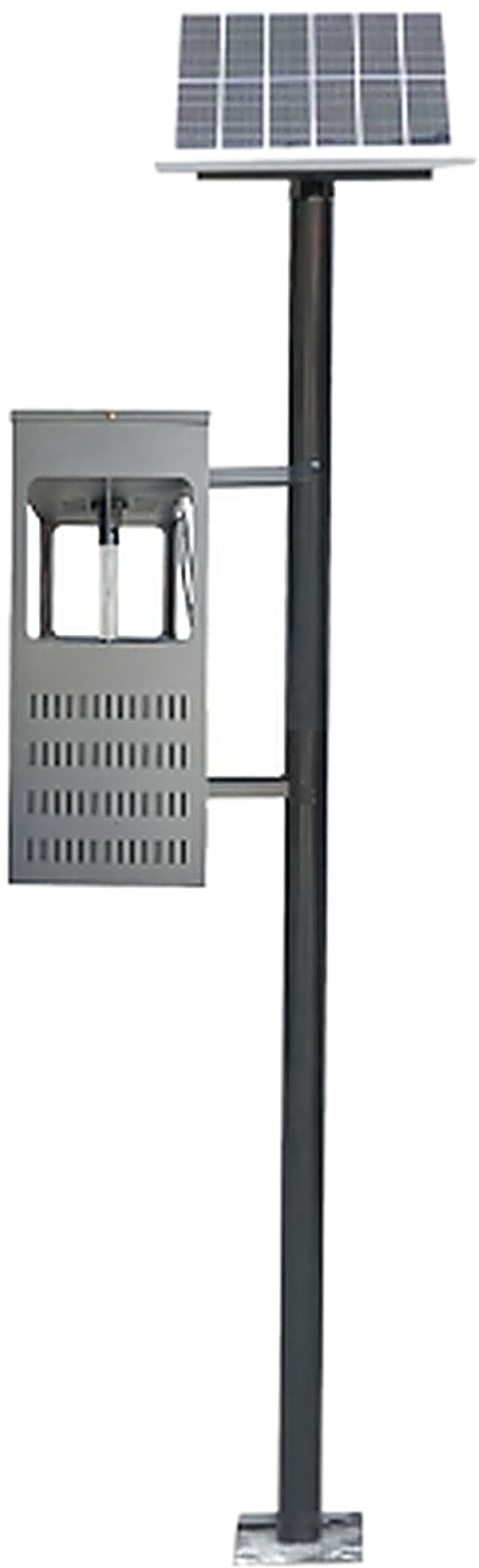
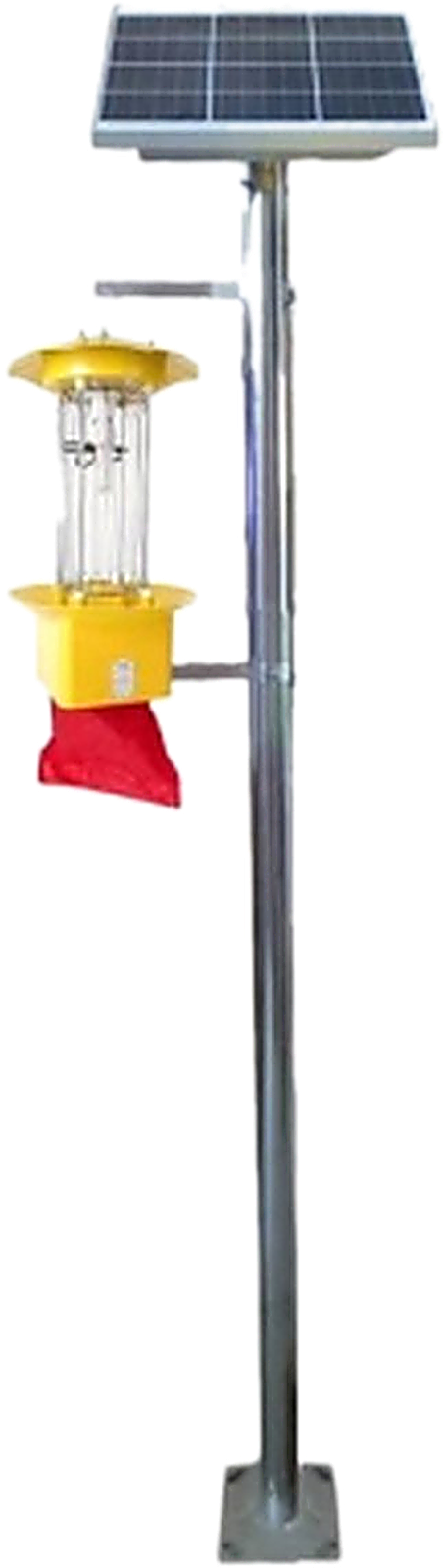
In the Souss-Massa argan belt and the Meknès olive valleys, summer temperatures regularly exceed 38°C. Conventional foliar sprays degrade fast under UV light, and the region’s frequent dry winds push chemicals onto neighboring plots and into the farm pest management buffer zones that organic and EU-bound buyers require. A solar bug zapper based on light attraction and wind-suction captures adults at the source without adding residue to the canopy.
Because Maghreb agriculture is dryland by default, growers prefer interventions that do not increase irrigation or labor load. Standalone solar units need no grid power and no refills, which fits the extensive, low-input character of argan and olive estates.
Argan trees are intercropped with goats and barley, so any chemical drift threatens the “organic argan oil” label that commands premium EU prices. The key pest complex includes the olive moth (*Prays oleae*) and various loopers. A solar insect killer placed at the orchard edge reduces mating-age adults before they reach the canopy.
The olive fruit fly (*Bactrocera oleae*) is the single most damaging pest for Maghreb olives. While bait sprays remain common, many cooperatives now combine mass-trapping with light-based adult suppression. Because the solar bug zapper runs every night on stored solar energy, it bridges the gap between scheduled spray windows.
In the Berkane and Souss citrus belts, the Mediterranean fruit fly (*Ceratitis capitata*) and the citrus leafminer (*Phyllocnistis citrella*) drive rejections at EU borders. Light-trap grids placed along windbreaks cut adult pressure during the export peak, supporting a cleaner agricultural pest control record.
In the Draa and Ziz valleys, date palms face the red palm weevil and carob moth. Although weevil control is largely pheromone-based, a solar insect killer reduces secondary noctuid moths. Saffron growers in Taliouine use small units to protect the high-value flower from aphids and thrips without residue.
A 40-hectare mixed argan-olive estate near Agadir adopted the following layout:
Within two seasons the estate reported fewer fruit-fly stings on olives and a simpler compliance story for its EU buyer, who audits pesticide residue annually.
A solar insect killer is not a silver bullet. The Maghreb growers who see the best results combine it with:
This layered farm pest management approach keeps chemical use low and keeps the export door open.
Dust is the main enemy of any device in the Maghreb. Estates that wipe the solar panel monthly and empty the collection chamber every 7–10 days see the longest lamp and fan life. Units with an IP65-rated sealed housing handle the occasional sahara dust storm better than open-grid designs.

Use this guide alongside the references below to build a complete, defensible program.
For deeper technical and regulatory context, see the FAO Integrated Pest Management and the EPA safe pest control.
Yes. Because they use no chemical input, light-and-suction traps are compatible with organic standards. They are recorded as a physical control method in the farm’s IPM log.
A practical rule is one solar insect killer per 0.5–1.0 hectare, starting on upwind edges. Density can be raised near processing zones where adult pressure concentrates.
They reduce adult populations when run nightly, especially as a complement to bait or pheromone traps. They are most effective as part of a wider agricultural pest control program rather than as a standalone treatment.
Quality units rated for -20°C to 60°C and IP65 housing perform reliably through Maghreb summers. Monthly panel cleaning is the single most important maintenance step.
For Maghreb growers, the solar insect killer delivers residue-free farm pest management across argan, olive, citrus and date palm. It fits dryland, low-input farming, supports EU export compliance, and slots cleanly into an IPM plan. As residue limits tighten, light-based suppression is becoming core infrastructure rather than an experiment.