
Iraq spans a climate gradient from the Mesopotamian plain to the northern highlands, with hot, dry summers, long sunny days and irrigated agriculture along the Tigris and Euphrates. Date palms, wheat, barley, cotton and vegetables dominate the farmed landscape. Across these systems, agricultural pest control has historically relied on routine spraying, but rising input costs and export residue limits are pushing growers toward off-grid tools. A solar insect killer fits Iraq well because the same intense sunshine that stresses crops also powers a trap with no mains connection.
This planning scenario sets out how solar trapping could be applied across Iraqi farm types. It is an illustrative framework based on crop and climate conditions, not a report of a measured field trial. The goal is to show where a solar bug zapper adds value within farm pest management and how to plan deployment practically.
Iraq receives high solar irradiation for much of the year, so a panel can charge a battery quickly each morning. Many farms and orchards sit beyond reliable grid coverage, where a mains-powered trap is impractical. An off-grid solar insect killer removes wiring cost and keeps agricultural pest control working in remote blocks.
Hot, dry days push many insect flights into dusk and night hours. A solar bug zapper operates exactly when moths and beetles are most active, capturing them before eggs are laid. For Iraq growers, this timing aligns trapping with the biology of the main pests rather than with a spray calendar.
Date production faces fruit flies, moths and scales. A solar insect killer placed within the grove can reduce flying adult populations, supporting agricultural pest control alongside sanitation and bait stations. Captured insects remain intact in a wind-suction chamber, which helps identify which species are active in a given week.
Cereal fields contend with armyworms, aphids and stored-grain pests. Edge-mounted traps give an early signal of moth flights, letting growers time scouting and any intervention. Within an Iraq farm pest management plan, that signal protects yield while limiting unnecessary spraying.
Vegetable production near cities and in protected tunnels deals with whiteflies, thrips and moths. Traps at tunnel vents and field margins catch incoming flights from surrounding weeds and compost. This perimeter approach is a practical agricultural pest control layer for intensively farmed plots.
Walk the block and mark sunny, shaded and windy zones. Note where water, roads and power are available. This site map determines where a solar insect killer will charge reliably and be safe to service.
Mount traps above the canopy on isolated poles with a clear southern aspect. Avoid shade from palm fronds, buildings and walls. In Iraq’s climate, a few hours of lost morning sun can reduce nightly run time.
Put units along field edges, near water channels and beside fruit orchards where insects concentrate. Move traps after two weeks if captures stay low, using catch data to find the best positions.
Log nightly counts by species. A rising moth catch should prompt a field walk, not an automatic spray. This data-driven habit keeps Iraq agricultural pest control both economical and defensible to export buyers.
Remove fallen fruit, volunteer plants and crop residue that harbor larvae. Traps catch adults, but clean fields reduce the breeding base. Sanitation and solar trapping work best as a pair.
Selective tools preserve ladybirds, parasitic wasps and birds that suppress pests naturally. A solar insect killer targets flying insects at night and leaves many beneficials untouched compared with broad sprays.
Choose sealed, weatherproof housings and clean panels regularly, since dust cuts charging efficiency. Check batteries before the peak summer heat. A simple monthly service routine keeps the Iraq solar trap program running through the season.
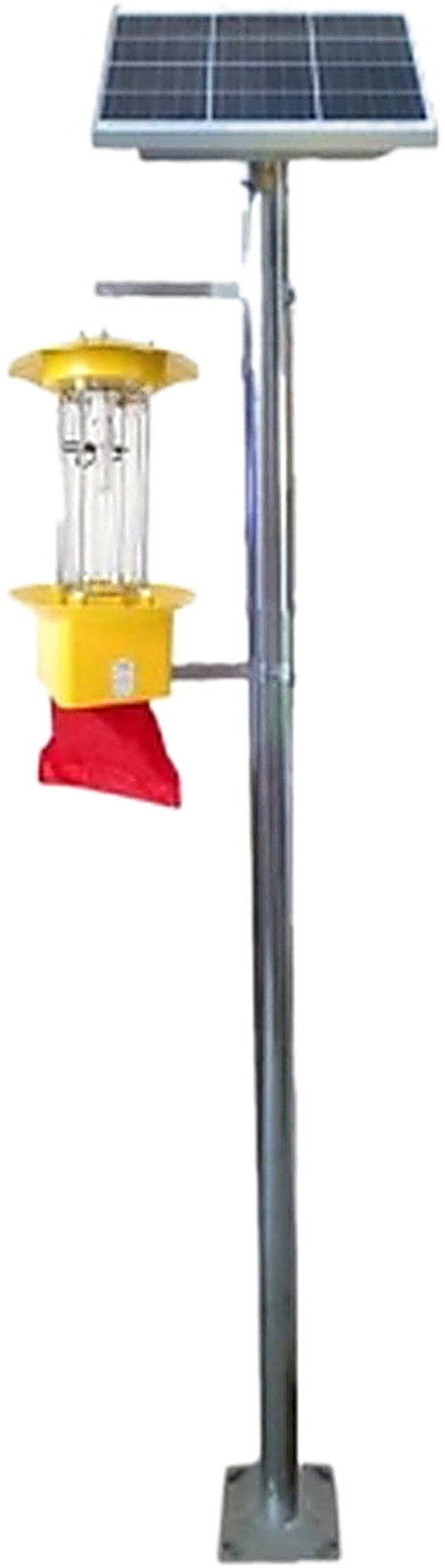

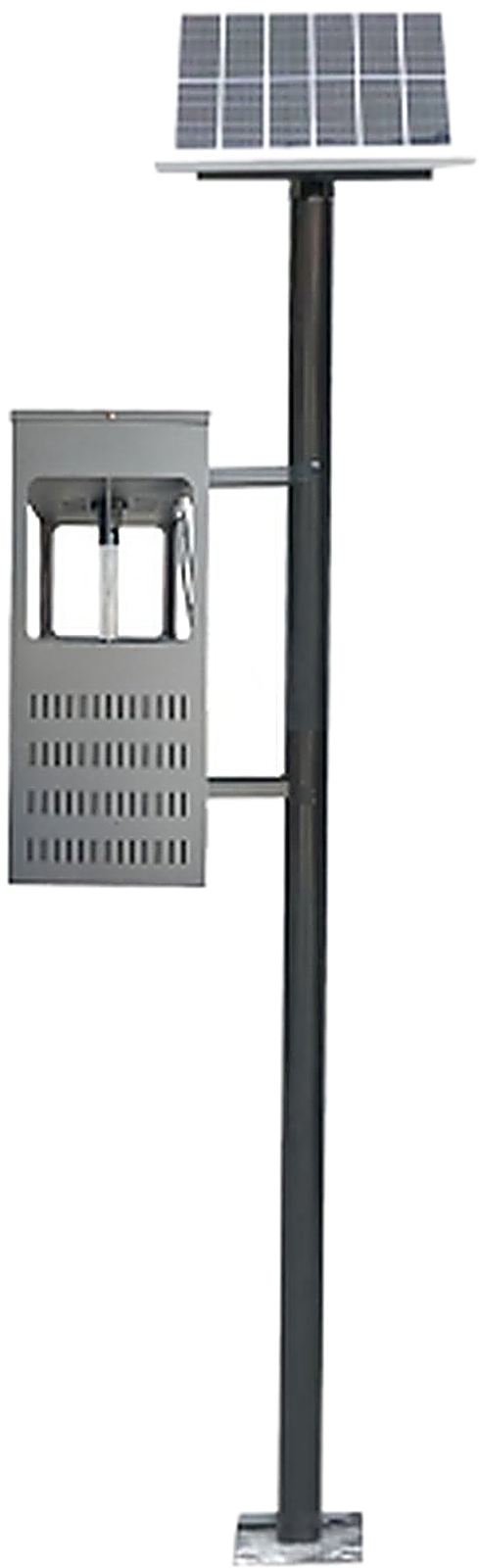
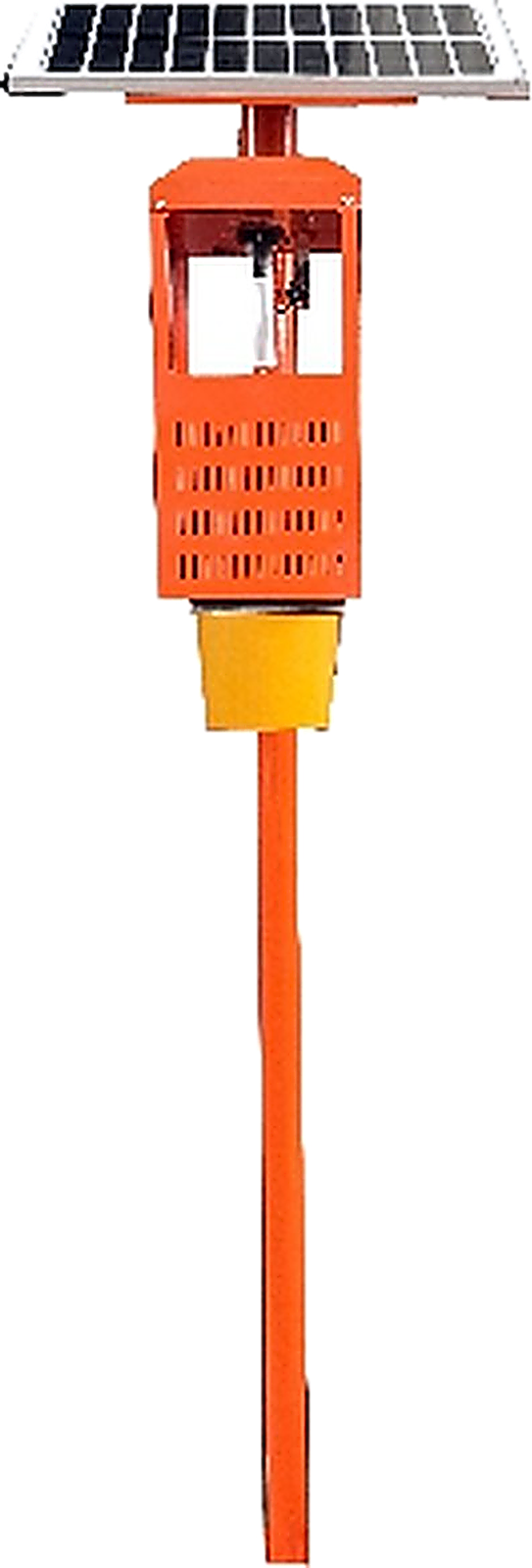
Use this guide alongside the references below to build a complete, defensible programme.
For deeper technical and regulatory context, see the FAO Integrated Pest Management and the EPA safe pest control.
Can a solar insect killer work without grid power in rural Iraq? Yes. A panel and battery run the trap through the night, which suits farms far from reliable mains supply.
Which crops in Iraq benefit most from solar trapping? Date palms, wheat and barley, cotton and vegetables all host flying pests that a solar bug zapper can help monitor and suppress.
How does solar trapping support export markets? Fewer routine sprays mean lower residue risk, which matters for agricultural pest control on export-oriented produce.
How often should traps be checked in hot climates? Empty the chamber weekly and clean panels monthly, or sooner after dust storms, to keep performance stable.
Is this scenario based on measured data? No. It is an illustrative framework for planning; local conditions should be verified before large investment.