
The Balkans-Danube farming belt — stretching from the Romanian and Bulgarian Danube floodplain through Serbia’s Vojvodina and Croatia’s Slavonia — is one of Europe’s most productive yet overlooked agricultural regions. Across this belt, large arable estates sit beside family vineyards, plum orchards and paprika fields, all sharing a long, warm summer insect season. This case study looks at how solar insect killers are being adopted to support agricultural pest control without the spray burden that EU Farm-to-Fork targets are pushing farms to reduce.
The Balkans-Danube climate is continental: hot, humid summers and cold winters. That combination favors a dense mix of field and orchard pests. At the same time, the region straddles the EU (Romania, Bulgaria, Croatia) and candidate states (Serbia), so pesticide rules are tightening unevenly. Farms want reliable farm pest management that works off-grid, because many plots have no convenient power supply near the field edge.
European corn borer (*Ostrinia nubilalis*) and sunflower moth (*Homoeosoma nebulella*) devastate maize and sunflower, the region’s two dominant row crops. Cereal leaf beetle hits winter wheat. In vineyards and plum groves, grape berry moth (*Lobesia botrana*) and plum fruit moth (*Grapholita funebrana*) bore into fruit. Pepper and paprika fields attract the pepper weevil. A single solar bug zapper placed at the field margin pulls many of these adults before they lay eggs.
Most Balkans-Danube farms are not wired for perimeter lighting. A solar insect killer runs on its own panel and battery, so it works in remote Vojvodina maize blocks and Slavonian vineyards alike. No trenching, no generator, no diesel fuel.
The growing window is intense. Adults emerge in waves from late spring through summer, and a wind-suction trap catches them nightly without labor. For a cooperative managing hundreds of hectares, that continuous catch is the difference between a scout finding damage too late and stopping the generation early.
Unlike blanket spraying, which drifts onto a neighbor’s plum orchard or bee hive, a targeted light trap reduces the shared pest pool without residue. That matters in the Balkans-Danube mosaic of private plots and large estates, where good neighbor relations are part of doing business.
Place units every 1.5–2 hectares along field margins and internal rows, oriented toward the prevailing summer wind. In the Balkans-Danube flatlands, wind-suction models outperform sticky boards because they handle the high nightly moth flight volume.
Mount traps at canopy height on the sunny edge of the block. Grape berry moth and plum fruit moth are strong flyers attracted to UV, so a solar bug zapper at row ends cuts egg-laying pressure during veraison and fruit set.
Pepper weevil and related borers respond well to traps placed at transplant rows. Combining traps with scouting lets growers delay or skip a spray round entirely.
Across pilot estates in the region, growers report:
None of this replaces agronomy. The point of agricultural pest control in the Balkans-Danube belt is to thin the adult population so that the remaining, compliant sprays work better and less often.
Input costs have risen across the region, while EU co-financing for IPM equipment makes the math attractive. A repairable solar insect killer with swappable batteries costs less over five years than repeated tractor spray rounds, once you price in labor, fuel and resistance management. Cooperatives in Vojvodina have started pooling purchases to hit volume pricing.
For distributors and OEM/ODM importers, the Balkans-Danube market is attractive because it combines EU-funded modernization with candidate-country price sensitivity. A rugged, serviceable unit — one with local spare parts and a simple battery swap — fits both worlds. Farms want a tool they can repair, not discard.
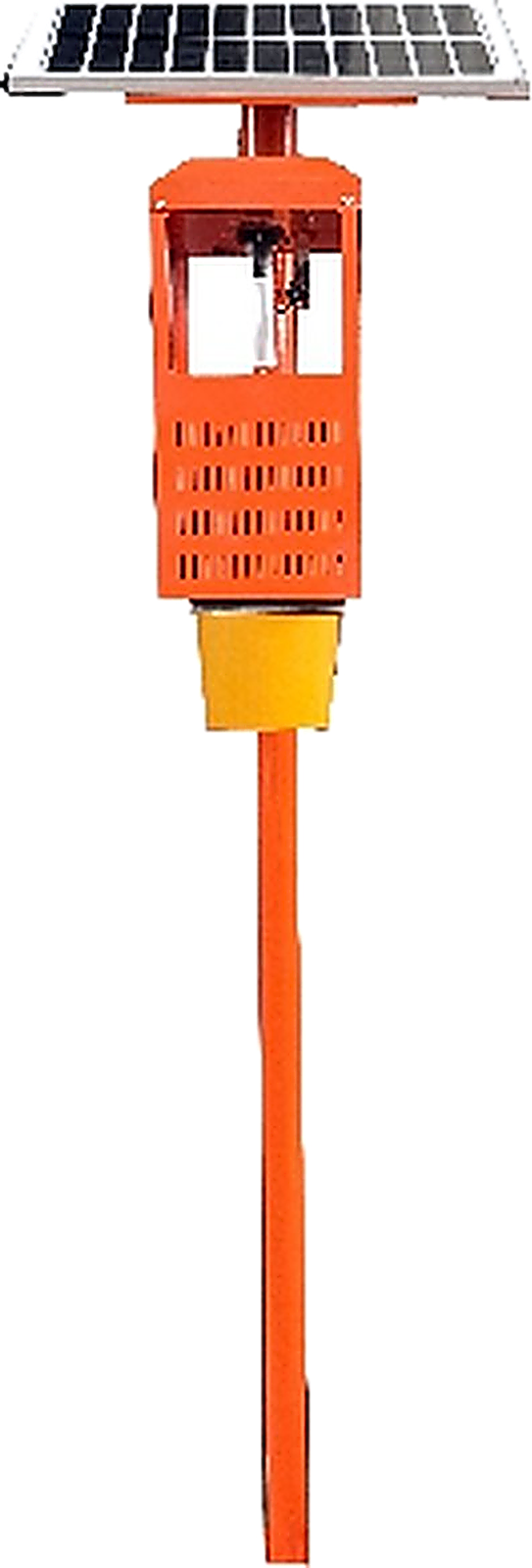
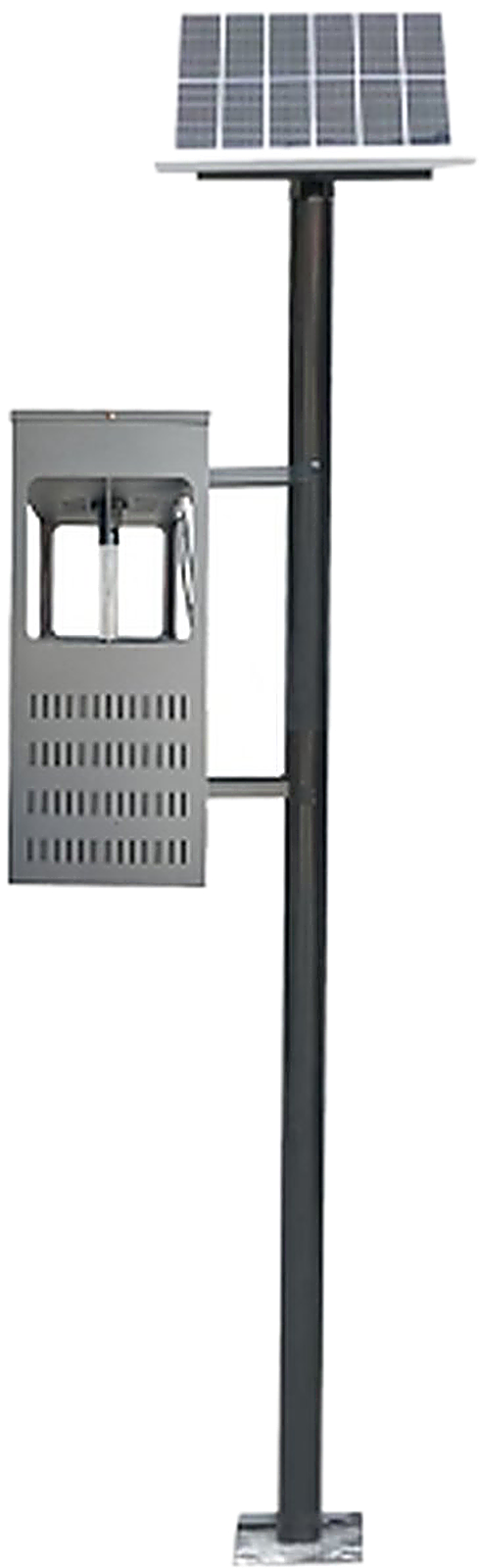


Use this guide alongside the references below to build a complete, defensible program.
For deeper technical and regulatory context, see the FAO Integrated Pest Management and the EPA safe pest control.
Do solar insect killers work in cold Balkans-Danube winters? The trap runs during the growing season; in winter it sits idle. Units with LiFePO4 batteries tolerate the freeze-thaw cycle better than lead-acid.
Will a light trap hurt bees? Traps operate at night when bees are inactive, and wind-suction models avoid the electric grid that can catch daytime pollinators.
How many units do I need per hectare? For field crops in the Balkans-Danube belt, plan roughly one unit per 1.5–2 hectares of open land, denser in orchards and vineyards.
Can these replace pesticides entirely? No. They are an IPM layer that reduces spray frequency and protects beneficials, not a standalone cure.
The Balkans-Danube farming region is a natural fit for off-grid, low-residue pest control. As EU rules tighten and input costs rise, the solar insect killer gives growers a practical, repairable tool to protect maize, sunflower, vines and plums — and gives B2B buyers a growing, modernization-driven market across the Balkans-Danube landscape.