
Every low-carbon pest program gains from a solar insect killer carbon plan that targets the adult flying stage and runs through peak season.
A solar insect killer carbon plan works best when devices are spaced by habitat and maintenance is scheduled before peak season, not after pests arrive.
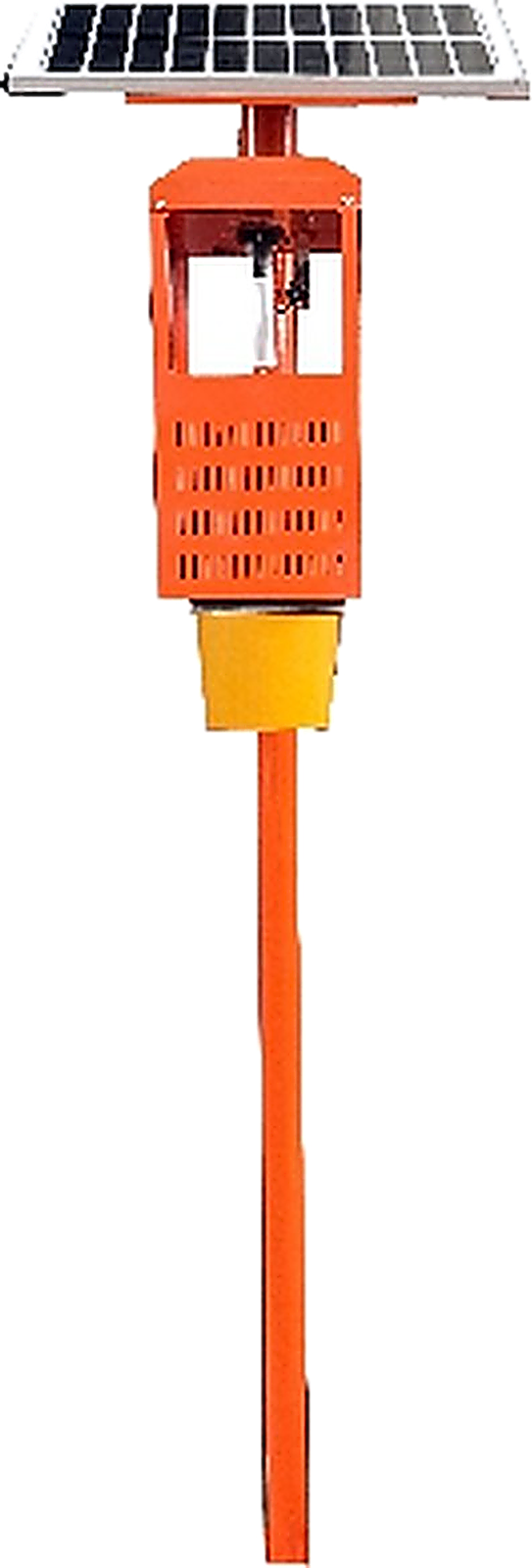
Buyers, retailers, and regulators now ask a question that did not exist a decade ago: how clean is your pest control? For exporters chasing ESG-linked contracts, a solar insect killer is no longer just a cost-saving device — it is a sustainability statement. This article compares the carbon and ESG profile of physical light trapping against conventional chemical spraying.
Chemical pesticides carry a carbon cost that rarely appears on the invoice.
Over a season, a farm running six spray rounds may move tonnes of liquid product and burn significant diesel — none of which a solar bug zapper requires.
A solar insect killer shifts the energy burden almost entirely to the front end.
The device is manufactured once: a PV panel, a rechargeable battery, a LED or fluorescent Tube, and a housing. Spread over a 3–5 year service life, the per-season embodied carbon is small and falling as panels get cleaner to produce.
Operation is powered by sunlight. No fuel, no grid draw during the nightly catch cycle, no repeat manufacturing. The recurring carbon cost is effectively zero.
Most modern units are designed for battery replacement and modular repair, avoiding the single-use waste pattern of sprayed containers.
ESG reporting looks at more than CO2. A solar insect killer scores well across all three pillars.
Honest agricultural pest control does not pretend light traps solve everything. A solar bug zapper intercepts adults; it does not cure an active larval outbreak. The ESG-smart position is not “never spray” but “spray less and later”:
This selective model typically cuts total spray volume 40–70%, directly improving the farm’s carbon and ESG ledger while keeping yield protected.
A simple framework for farm pest management teams:
Even a modest reduction, consistently reported, strengthens sustainability credentials with buyers who increasingly weight verified environmental performance.
Sustainability claims need proof. Combining a solar insect killer program with recognized standards — such as GlobalG.A.P. or organic certification where applicable — turns a hardware purchase into a marketable compliance asset. Importers in the EU and North America increasingly screen suppliers on exactly these points.
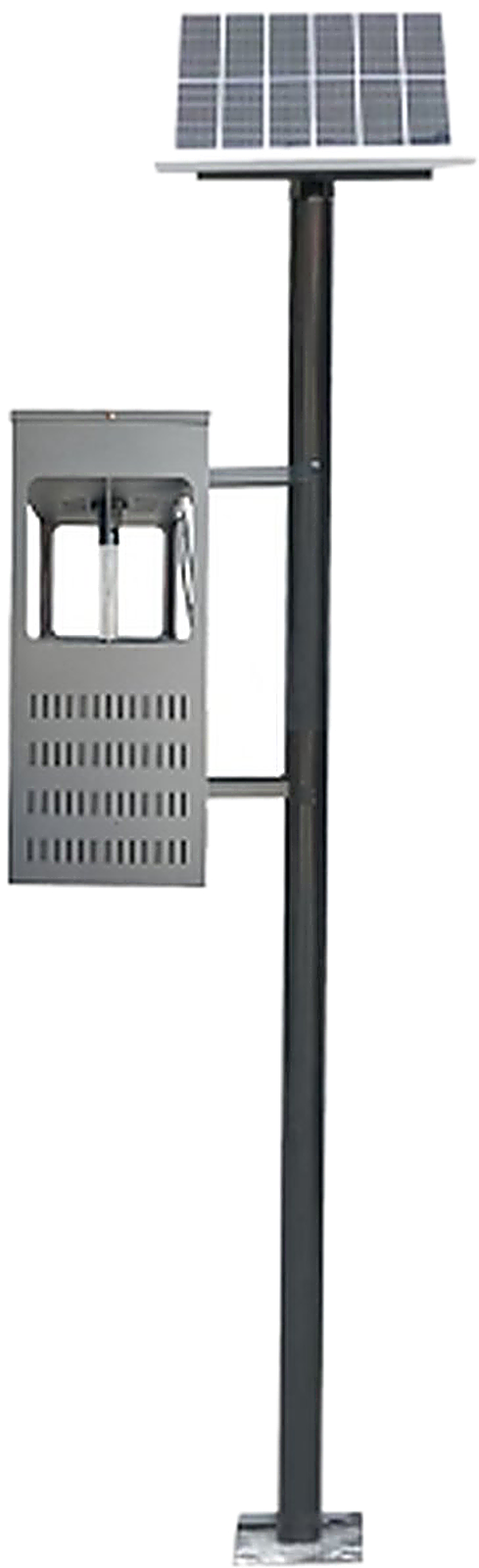
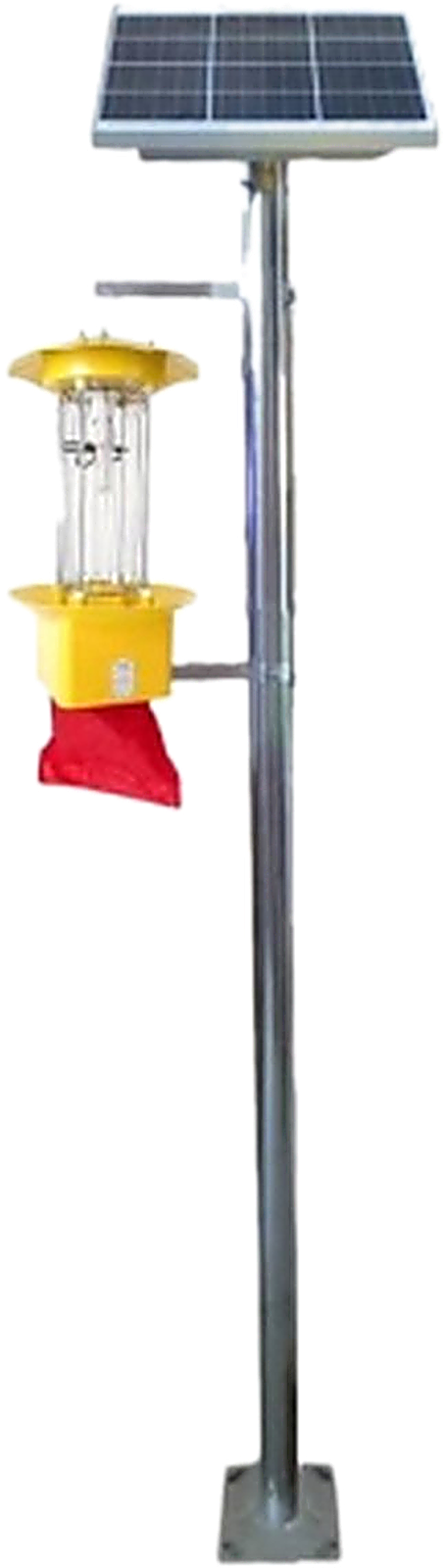
Use this solar insect killer carbon guide alongside the references below to build a complete, defensible program.
For deeper technical and regulatory context, see the FAO Integrated Pest Management and the EPA safe pest control.
Does a solar insect killer really reduce spray use? In most programs yes, by thinning adult populations and providing outbreak early-warning data, enabling later and lighter chemical use.
What is the payback period on carbon grounds? The embodied carbon of one device is typically recovered within the first one or two seasons versus repeated spray logistics, before counting avoided chemical manufacturing.
Are light traps safe for bees? With pollinator-safe scheduling (delaying operation past dusk and away from bloom hours) non-target impact is minimal compared with broad spraying.
Can I report trap use in ESG disclosures? Yes. Documented reduction in pesticide volume and application passes is a credible, auditable environmental metric.
Do solar bug zappers work in cloudy regions? Modern panels and battery banks store enough charge for several overcast nights; placement in open, sun-exposed locations maximizes reliability.
Against the full lifecycle, a solar insect killer offers a dramatically lower carbon footprint and a stronger ESG profile than repeated chemical spraying. It is not a wholesale replacement for every pesticide, but as the backbone of a monitoring-led, spray-later strategy it delivers cleaner agricultural pest control and a defensible sustainability story — increasingly the difference between winning and losing export contracts.