
Aphids are among the most damaging and most misunderstood pests in global agriculture. They multiply explosively, transmit plant viruses, and quickly shrug off once-effective sprays. The good news for growers is that a solar insect killer intercepts a key weakness in the aphid life cycle: the winged adults that spread colonies from field to field. This article explains how light traps fit into a modern aphid control program without endless chemical spraying.
Before choosing a tool, it helps to understand why aphids defeat so many control plans. Their biology is built for speed and spread, and conventional spraying often makes the underlying problem worse.
They reproduce parthenogenetically, but when a colony gets crowded or the plant declines, they produce alates — winged adults that fly off to found new colonies. These alates are the real engine of infestation, and they are exactly what travels at dusk when a solar bug zapper is running. Removing alates at the field margin slows the cascade of new colonies before it starts.
Repeated insecticide use breeds resistant clones and leaves residues that buyers increasingly reject. A solar insect killer contributes no chemistry to the crop, so it pairs cleanly with agricultural pest control programs built around thresholds, scouting and biologicals rather than calendar sprays.
Aphid alates are weak but persistent flyers that move toward light during their evening dispersal. Positioned at canopy height, a solar insect killer creates a capture zone that intercepts a meaningful share of the winged migrants moving across a farm. It will not eliminate every aphid — no single tool does — but it reduces the incoming pressure so that predators and scouting can handle the rest.
Different crops need different placement logic. The goal is always to put the light where alates travel, not where the tallest leaf happens to be.
In brassicas, solanaceae and leafy greens, mount the trap just above the crop line and refresh the collection tray twice a week during warm spells. Row crops benefit from units at the downwind edge where alates accumulate.
In apple, citrus and stone fruit, place traps along the alleyways and around the block perimeter. Winged migrants from ground cover or neighboring plots hit the light cone on their way in, protecting new shoots and fruit clusters.
Wheat, barley and maize aphid flights peak at dawn and dusk. A farm pest management layout of one solar insect killer per 0.2 to 0.3 hectare, combined with suction sampling, keeps alate numbers low through grain fill.
The strongest aphid control programs stack tools instead of replacing them. Ladybirds, lacewings and parasitic wasps do the in-canopy work that a trap cannot, so protecting them matters. Because the solar insect killer operates at night and off-grid, it does not disturb daytime predators and helps preserve the natural enemy community that keeps aphid colonies from exploding.
A practical rhythm looks like this: walk the field twice a week, count colonies on the youngest leaves, check the trap tray for alate counts, and only spray if a defined economic threshold is crossed. Over a season this routine typically cuts spray events while holding yield, which is the whole point of integrated management.
Track three numbers: spray rounds per season, predator counts per leaf, and marketable yield. Growers who add a solar insect killer usually see the first two move in the right direction within a single season, with yield protected rather than sacrificed. Documenting these metrics also strengthens the case for certification and buyer audits.
Beyond direct feeding damage, these sap-feeders are the primary vectors of crop viruses such as cucurbit aphid-borne yellows and barley yellow dwarf. A single alate can infect dozens of plants in one evening flight. Because the solar insect killer removes winged migrants at the field edge, it directly reduces virus introduction pressure — a benefit that rarely appears in a simple leaf-count audit but protects yield quality across the whole season.
For any farm pest management plan built around healthy transplants and clean seed, cutting incoming viruliferous alates is a quiet but powerful win that pays back in grading and rejection rates.
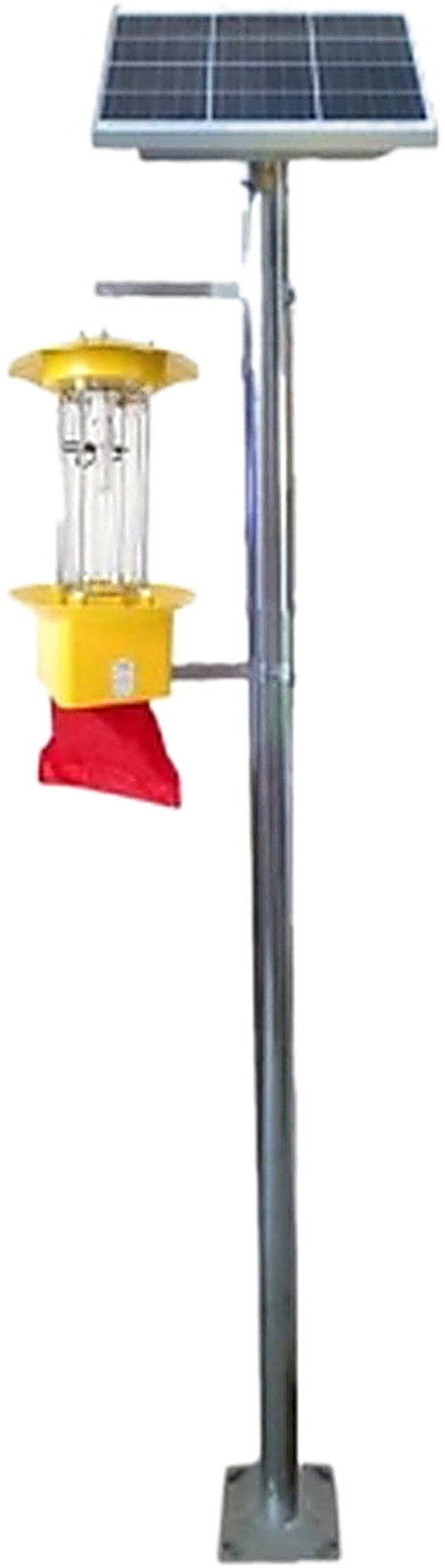


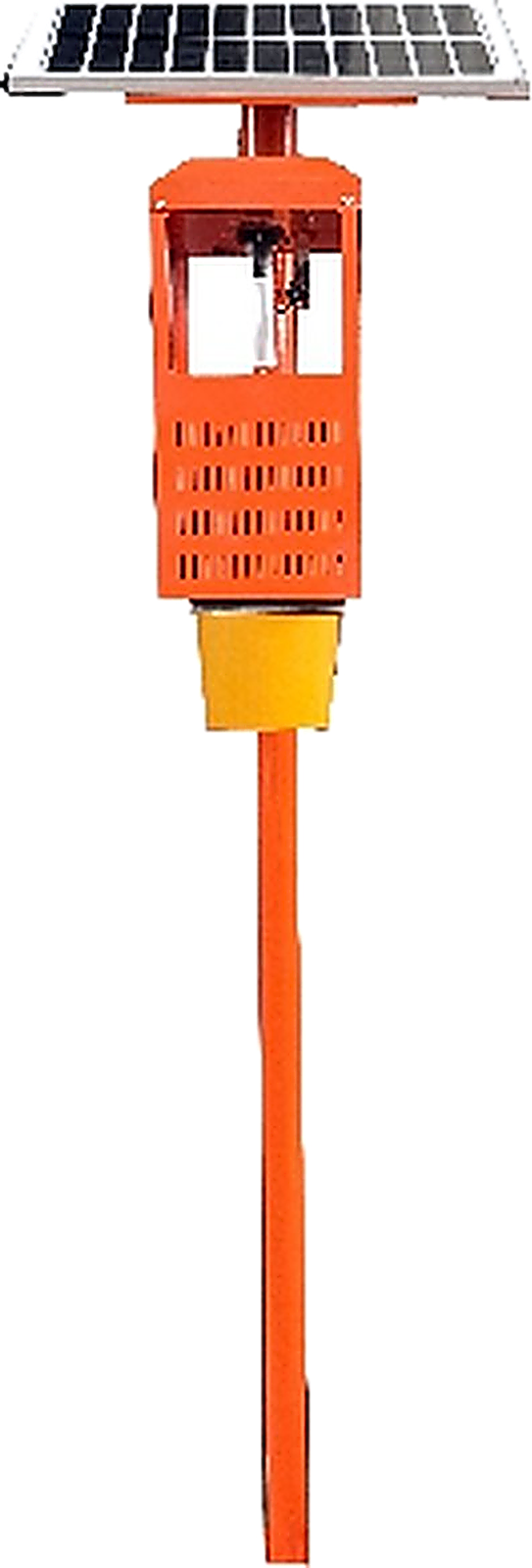
Use this guide alongside the references below to build a complete, defensible programme.
For deeper technical and regulatory context, see the FAO Integrated Pest Management and the EPA safe pest control.
No single device replaces a full program. The trap reduces incoming winged migrants, but you still need scouting, beneficial insects and threshold-based decisions for durable aphid control.
Used at dusk and night, the trap mostly catches nocturnal alates and spares daytime predators. Keeping it away from flowering strips protects the ladybirds and parasitoids you want to keep.
Aphids respond across a range of wavelengths, so a tuned LED spectrum matched to local species improves catch. FOSIBO’s configurable solar insect killer lets buyers specify spectrum during OEM or ODM ordering.
A common starting point is one unit per 0.2 to 0.3 hectare in open field crops, adjusted after the first season’s catch and scouting data rather than a fixed grid.