
Connected traps changed pest monitoring by counting catches automatically. The next step is ai pest recognition — computer vision that identifies *which* species were caught, not just how many. For distributors and growers building modern agricultural pest control, pairing a solar insect killer with on-device or cloud image analysis turns raw trap data into actionable farm pest management signals. Instead of a number on a dashboard, the grower gets an answer: which pest, how many, and what to do next. This article explains how the technology works, where it pays off, and how to deploy it without overcomplicating the operation.
A count tells you pressure is rising. A species ID tells you what to do next.
A solar bug zapper with an IoT counter reports “142 catches last night.” Useful — but a spike could be a target moth or a harmless beetle. Without identity, the grower must still walk the field to interpret the number, slowing the response.
Embedded cameras and trained models classify each caught insect to genus or species. The trap then reports “78 *Helicoverpa* armigera, 12 beneficial lacewings” — a decision-ready signal. Edge processing keeps bandwidth low; cloud models handle harder identifications and continuous learning.
The architecture is straightforward and resilient.
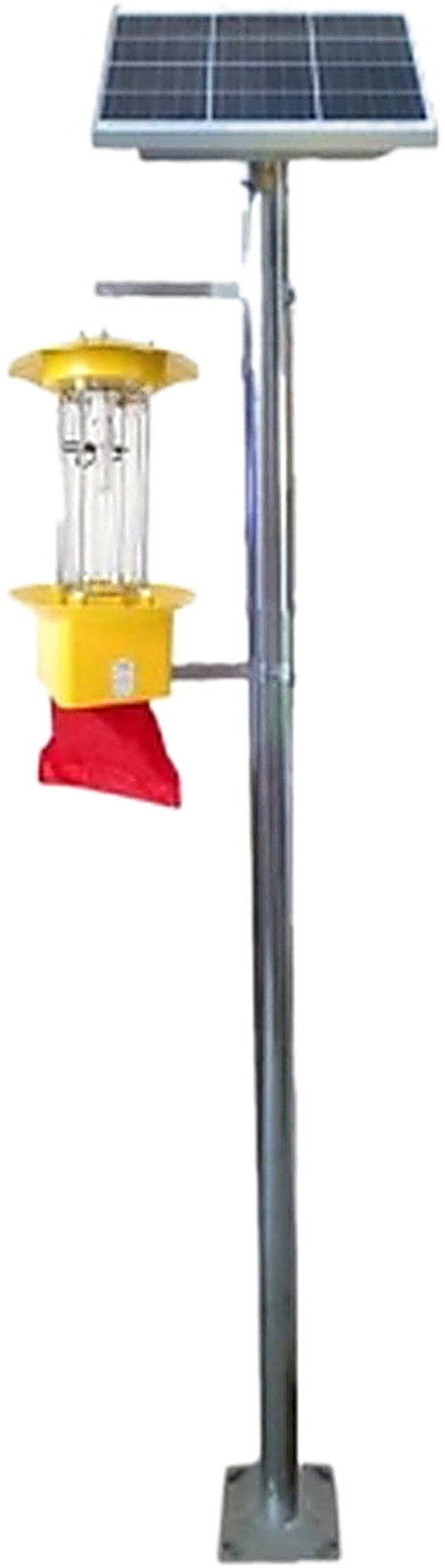
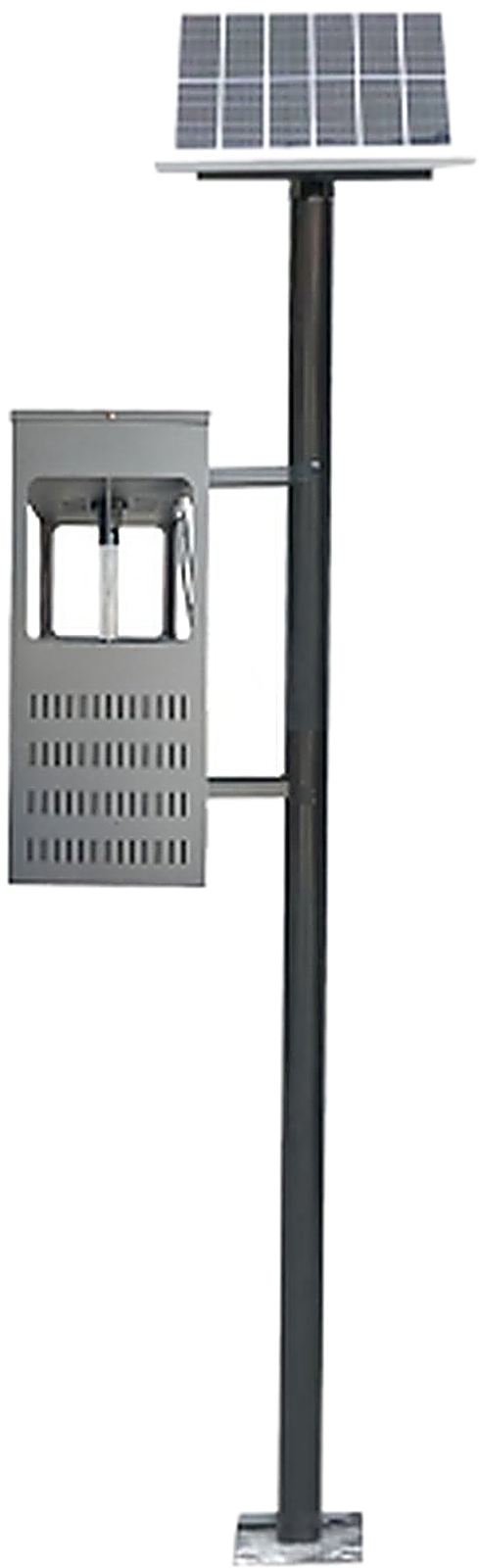
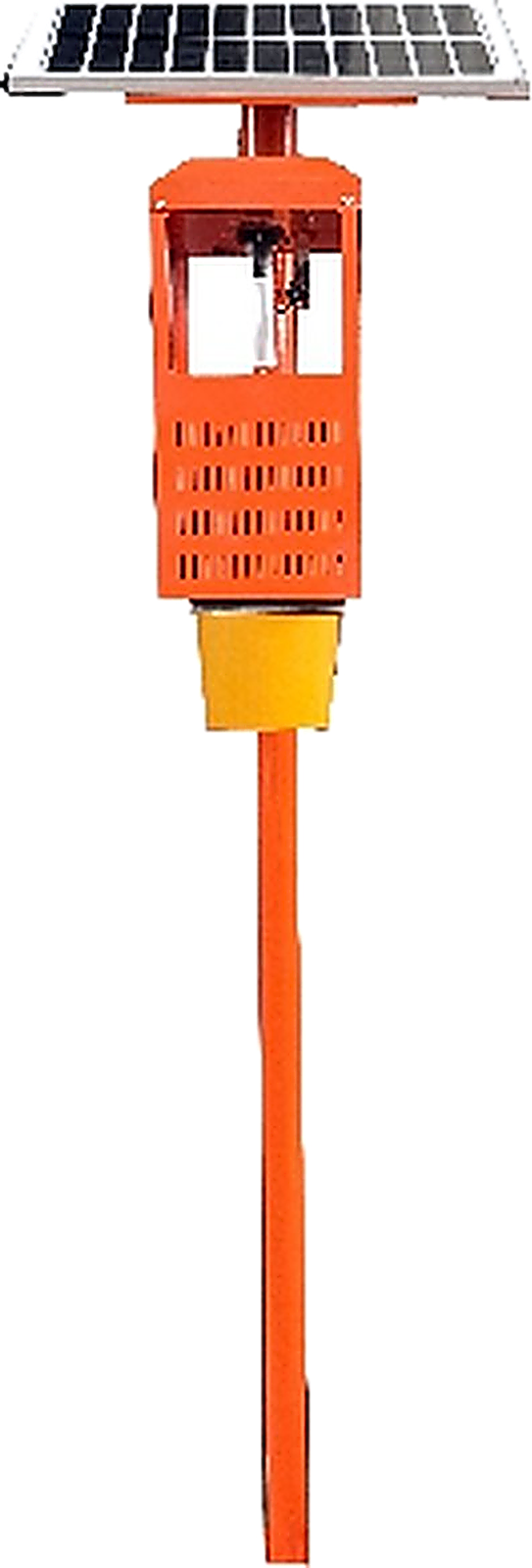
A smart solar insect killer images the collection tray on a schedule, compresses the frame, and sends it (or only the detections) over cellular or LoRaWAN. A cloud model returns species tags; the dashboard aggregates them per trap, field and week.
Thresholds are set per pest. When a target species crosses its action threshold, the system pushes an alert to the grower’s phone and flags it on the map. Beneficial catches are tracked too, so spray decisions protect natural enemies.
Data only matters if it changes practice.
Instead of calendar spraying, the grower sprays (or releases biocontrol) when the target pest is actually present and abundant. This is the core of precise agricultural pest control — fewer passes, lower cost, slower resistance.
Recognition feeds heat maps showing where pressure concentrates: a damp corner, a windward hedge, a neighbouring field. Scouts prioritise those zones, and seasonal trend lines support rotation and cultivar choices for next year.
Field images are pest-focused and typically exclude people or property. For sites with poor coverage, edge inference stores detections and syncs when connected. Buyers should confirm the platform’s data ownership and export options before committing.
The business case rests on three gains:
For distributors, a smart solar trap with ai pest recognition is a differentiated, higher-margin SKU that supports service contracts and recurring data plans.
The contrast is worth stating plainly. Manual scouting means walking rows with a sweep net and counting by eye — accurate but slow and sparse in time. A smart solar trap with ai pest recognition samples every night automatically. Neither replaces the other entirely, but the trap directs the scout’s attention to the right field at the right moment, so the human time that remains is spent on confirmation and decision, not random searching.
The biggest mistake is treating recognition as a silver bullet. It is a sensor, not a prescription. Avoid spraying on a single alert; confirm against the trend line. Also avoid over-trusting a generic model on rare local pests — use the human-review queue for unknowns. Finally, don’t neglect the physical trap: a solar bug zapper that isn’t charged or emptied will stop feeding the AI good images.

Use this guide alongside the references below to build a complete, defensible program.
For deeper technical and regulatory context, see the FAO Integrated Pest Management and the EPA safe pest control.
Does AI recognition need internet at the trap? Not always. Many systems do edge inference and only sync results; full cloud models need connectivity but tolerate intermittent links.
How accurate is species ID? Accuracy depends on image quality, lighting and model training. Well-trained models reach high accuracy on major pests; rare species may be flagged “unknown” for human review.
Will it replace scouting? It augments scouting by directing effort where it matters; most programs keep periodic field checks for confirmation.
Is the data secure? Reputable platforms encrypt transfers and let the owner control access and export; review the vendor’s policy before deployment.
What pests benefit most from recognition? Moths, weevils and flying adults that a solar insect killer captures in quantity — especially where several similar species overlap and only some are targets.