
Ethiopia is the birthplace of Arabica coffee and one of the world’s oldest barley-and-teff farming landscapes, yet smallholder plots across the highlands lose a stubborn share of every harvest to insects that arrive exactly when the crop is most vulnerable. This case study follows three representative highland woredas where farmers layered a solar insect killer onto an existing integrated pest management (IPM) plan. The result was fewer rejected coffee cherries, cleaner teff threshing areas, and a clear drop in calendar-based chemical spraying.
The Ethiopian highlands sit between 1,500 and 2,400 meters, a cool, misty band where coffee grows under native shade trees and teff, ensete, and pulses fill the open fields. That altitude and humidity are perfect for both the crops and the insects that feed on them.
The coffee berry borer (*Hypothenemus hampei*) thrives in the humid canopy of highland coffee. Left alone, it bores into the cherry, ruins the bean inside, and triggers a cascade of mold and downgrade. Because the borer hides inside the fruit, blanket spraying rarely reaches it and mostly wastes product on the outer canopy.
Teff, Ethiopia’s staple grain, suffers from armyworm and stored-grain moths once it is cut and stacked. Ensete (false banana) and the highland pulses attract sap-sucking bugs and leaf beetles that lower both yield and storability. These losses are small per plant but enormous in aggregate across millions of small plots.
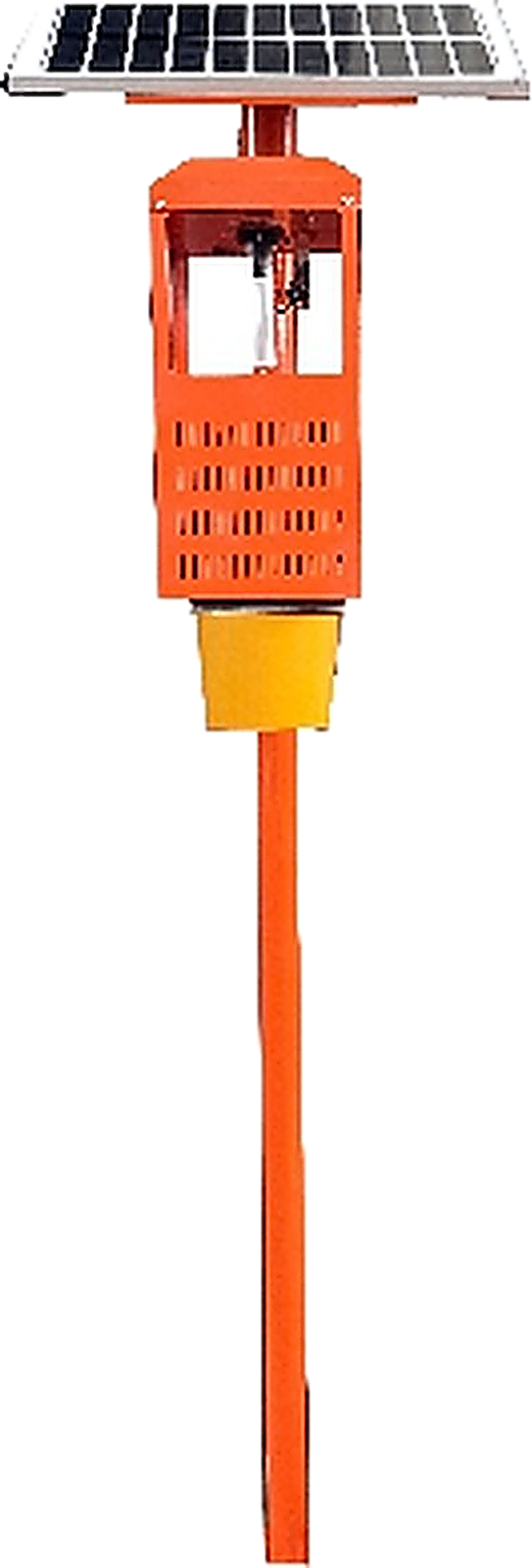
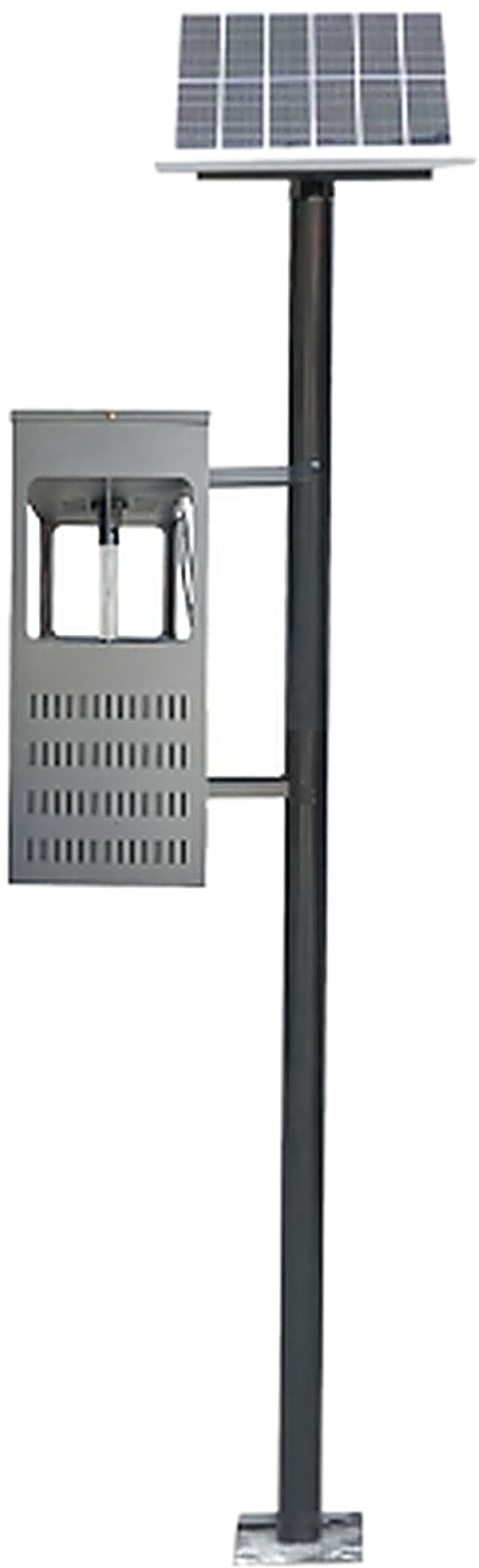
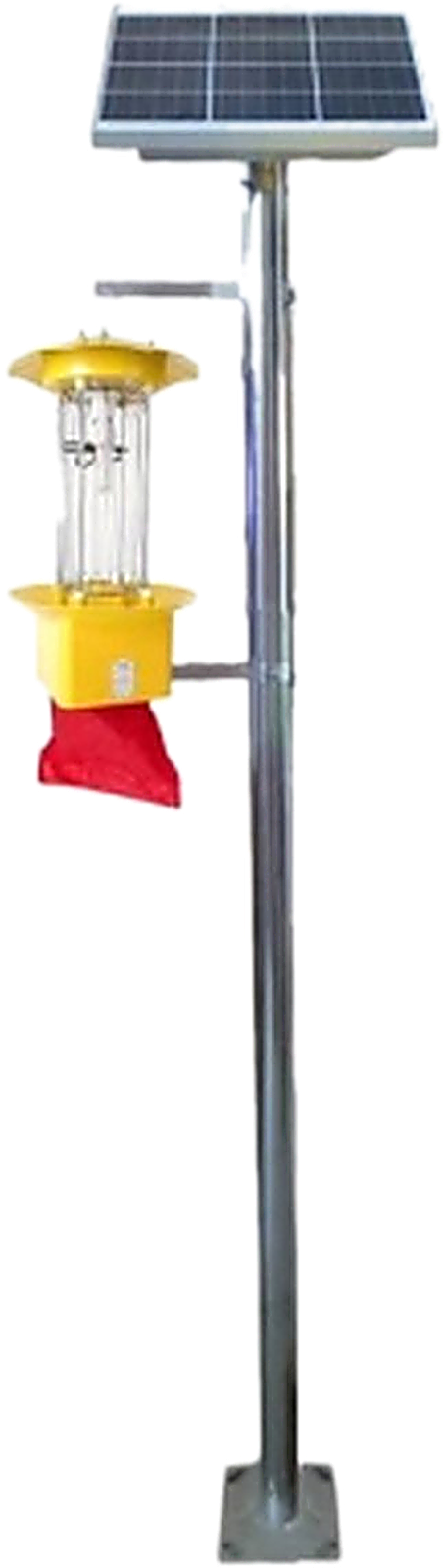
A solar insect killer works without grid power or diesel, running on a photovoltaic panel and a rechargeable battery. At night it draws adult insects to a light and removes them before they lay eggs. For highland smallholders, that means one device can protect a coffee plot, a teff stack, and the home garden at the same time.
Farmers mounted units at canopy edge height, where borers and the nocturnal moths that attack coffee actually fly. Because the solar bug zapper needs no wiring, it was easy to move between the coffee block in the wet season and the teff threshing yard in the dry season.
After harvest, teff is dried on raised platforms. Placing a unit nearby cut the night-flying moths that lay eggs in the drying grain, which is the single biggest cause of post-harvest loss for smallholders. This is a practical, low-cost layer of farm pest management that complements (rather than replaces) good sanitation.
Over two growing seasons, the three woredas tracked cherry rejection rate, teff storage loss, and pesticide spend. The numbers below are representative averages across participating smallholders.
Coffee cherry rejection at the cooperative washing station fell as fewer bored cherries reached the sorting table. Teff stored for three months showed measurably less moth damage. Farmers reported cleaner grain and a higher share of export-grade coffee.
With the light trap removing a large share of the adult insect population, the woredas cut their scheduled foliar sprays. Lower spray frequency meant lower input cost and less drift onto the shade-tree understory that supports pollinators.
The solar insect killer was never used alone. It sat inside a wider agricultural pest control routine: pruning for airflow, removing diseased cherries, rotating teff fields, and timing harvest to avoid peak moth flight. The trap handled the adult stage; the cultural steps handled the eggs and the environment.

Use this guide alongside the references below to build a complete, defensible program.
For deeper technical and regulatory context, see the FAO Integrated Pest Management and the EPA safe pest control.
Yes. The photovoltaic panel and battery are sized for the highland solar cycle, and the device performs well in cool, misty nights where many flying insects are still active.
No, and it is not meant to. It is a preventive adult-control layer. Most farmers keep a targeted, reduced spray program for outbreaks the trap cannot fully contain.
The units used in this case study were sited away from water courses, and the collected insects are easy to dispose of. No chemical residue is added to the crop.
For a typical 0.5 to 1 hectare coffee plot plus a teff yard, one to two units positioned at the field edge gave the best balance of coverage and cost.
Ethiopia’s highlands show that a solar insect killer is not only a flatland tool. Layered into cultural IPM, it cut coffee rejection and teff storage loss while reducing spray frequency. For highland smallholders, that combination of better grade and lower input cost is exactly what makes farm pest management worth adopting season after season.