
The difference between a solar insect killer that fills its catch tray and one that barely works usually comes down to engineering most buyers never see: the wind-suction fan. For B2B purchasers specifying traps for farms, warehouses, or estates, understanding airflow, motor choice, and inlet design is the fastest way to judge real catch efficiency instead of marketing claims.
Traditional grid traps electrocute insects, leaving singed debris that can scatter and that some buyers dislike near food. A solar bug zapper with wind suction draws the insect into a sealed catch container — cleaner, safer, and better suited to agricultural pest control around people and produce.
Catch radius is governed by how much air the fan moves, measured in cubic feet per minute (CFM) or cubic meters per hour.
For farm pest management across open fields, prioritize sustained CFM over a flashy maximum.
The fan motor defines both lifespan and power draw — critical for a device running all night on a small battery.
A quality solar insect killer uses a BLDC fan tuned to the inlet, not a repurposed computer fan.
Airflow is only useful if the geometry guides insects into the catch container instead of letting them escape.
These small choices separate a reliable solar bug zapper from a leaky one.
The fan, LED, and controller share a small PV panel and a lithium or lead-acid cell. Engineering the balance is what makes the unit autonomous.
Good agricultural pest control hardware sizes the panel and battery so CFM stays steady even after three cloudy days.
Even the best fan loses performance when neglected. A short routine keeps CFM high.
For fleets across estates, a simple log of empties and CFM observation catches failing units early.
When comparing suppliers, ask for the numbers behind the claims.
A credible solar insect killer vendor answers these without hesitation and can show test data.
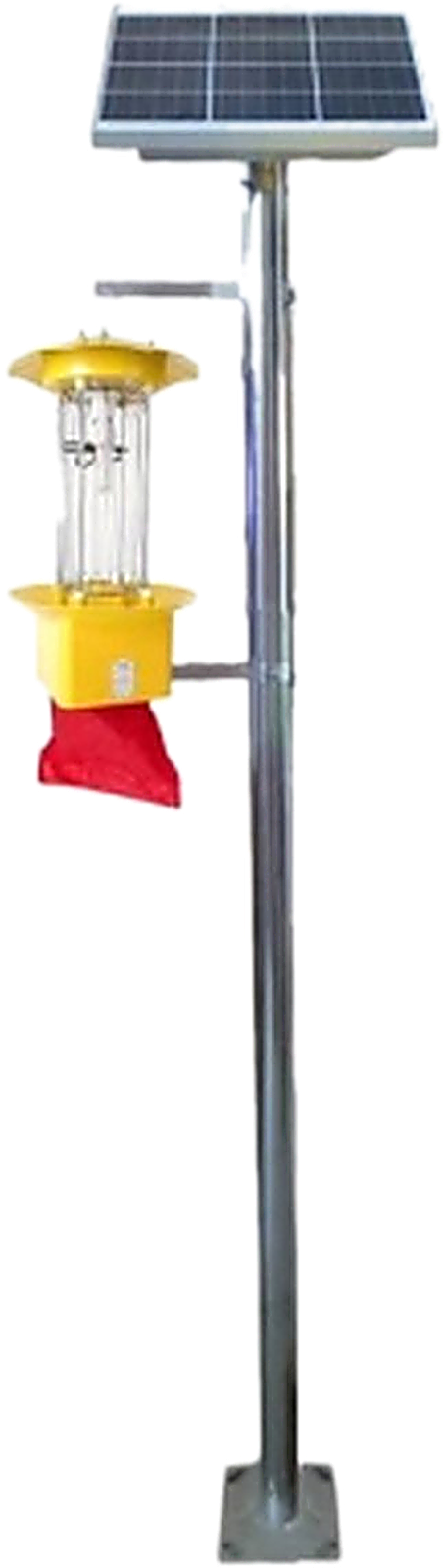

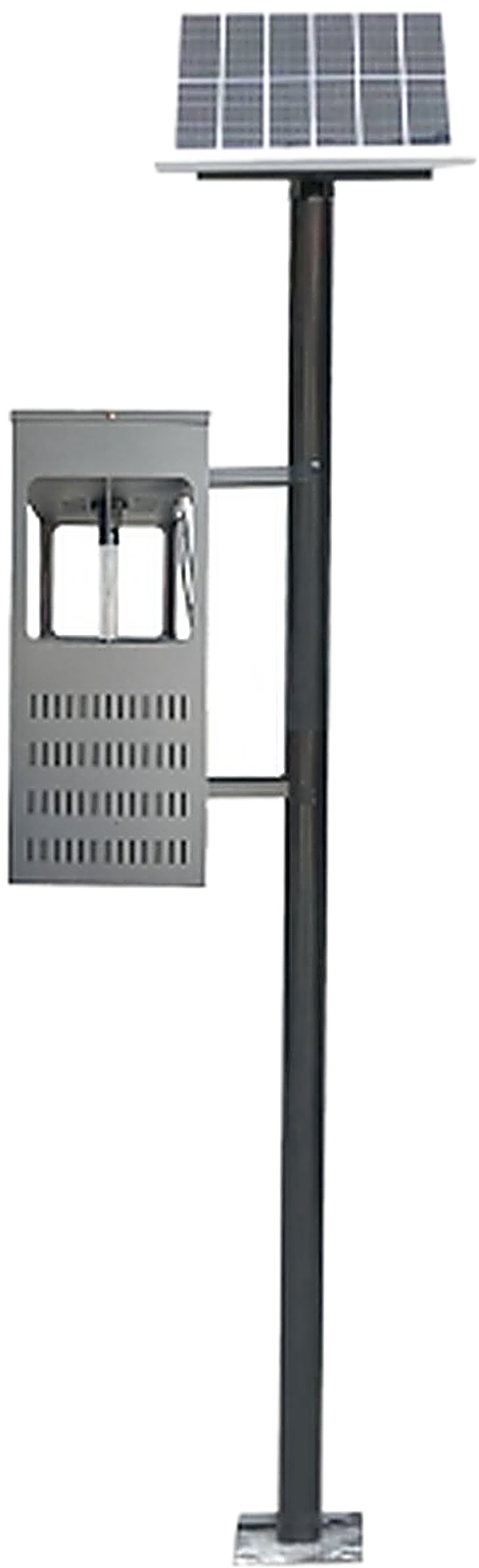
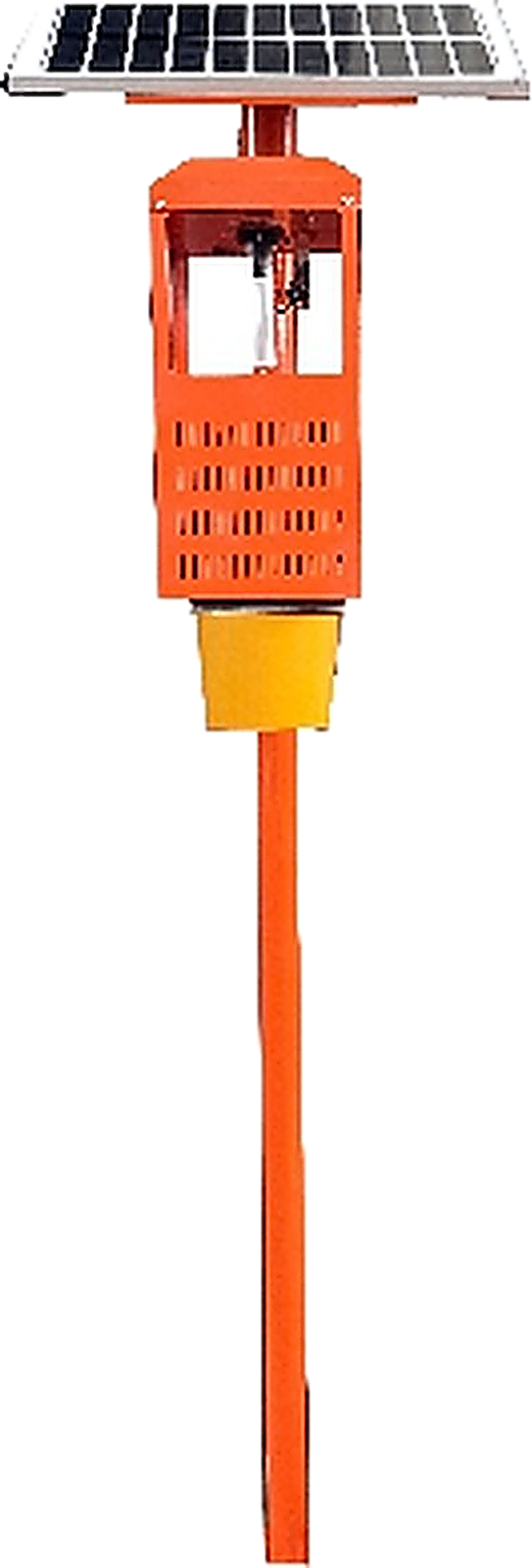
Use this guide alongside the references below to build a complete, defensible program.
For deeper technical and regulatory context, see the FAO Integrated Pest Management and the EPA safe pest control.
Does higher CFM always mean better catch? Usually, but only if the inlet and lure radius match; otherwise air leaks and the insect is never pulled in.
How long does the fan motor last? A quality BLDC fan typically runs for thousands of nights; brushed motors wear far sooner in humid fields.
Can I replace the fan myself? Most modular units allow fan and LED replacement with basic tools; confirm spare-part supply before purchase.
Does suction work in windy fields? Yes, when the inlet faces the prevailing evening breeze; siting matters as much as raw CFM.
Wind-suction fan engineering — sustained CFM, a BLDC motor, a well-shaped inlet, and a balanced solar loop — is what turns a solar insect killer from a garden gadget into dependable farm pest management hardware. B2B buyers who specify these metrics get traps that actually fill their trays night after night.