
Flying insects are the enemy of every outdoor table. A single fruit fly near a dessert station or a cloud of midges over a patio can undo a restaurant’s hard-won reputation in one review. For foodservice operators, market authorities, and hospitality groups, the solar insect killer offers a chemical-free, wiring-free way to keep dining and market spaces comfortable. This guide applies the same farm pest management discipline used in agriculture to the world of outdoor hospitality.
Indoor restaurants rely on sticky traps and foggers, but outdoor patios, beer gardens, food trucks, and open-air markets cannot run mains-powered zappers everywhere. Extension cords are a trip hazard and a health-code headache. A solar bug zapper mounts on a post or wall, charges by day, and works all evening — no outlet, no cord, no generator.
For an operator focused on agricultural pest control principles translated to hospitality, the goal is the same: reduce the adult insect population around the food zone so fewer land on plates.
Placement beats raw power. A solar insect killer should sit:
Rooftop and courtyard venues are ideal because there is usually a parapet or railing to mount on. Choose a unit with a sealed, glue-board or wind-suction capture method rather than an open electric grid — grids can scatter insect fragments, which is undesirable in a food environment. A solar bug zapper with a collect tray is easier to empty during a shift change.
Urban patios sit close to apartments. Pick a low-glare lens and a dusk-to-midnight run schedule so the unit is dark when the neighborhood sleeps. This is the same farm pest management courtesy applied to rural dark-sky sites — good practice anywhere people live nearby.
Open-air markets and festival food courts have high foot traffic and lots of exposed produce. Here, several smaller solar insect killers beat one large unit: distribute them along the stall row so each vendor gets coverage. Market managers we work with mount units on the structural posts between stalls and recharge spare battery packs weekly.
Small-format operators need small-format tools. A compact solar insect killer the size of a lantern sits on a sidewalk bollard and protects the queue. Because it is silent and cordless, it does not interfere with the café aesthetic or block the sidewalk.
Hospitality buyers should look for:
These points mirror the agricultural pest control checklists used in packing houses and food processing — sanitation first, devices second.
Demand for outdoor comfort is not constant. In temperate cities, the patio season runs May through October, so buy and stage units before the first warm weekend. In tropical and Gulf-coast markets, insect pressure is year-round, and the solar insect killer becomes a permanent fixture rather than a seasonal one.
Plan a simple maintenance rhythm: empty trays weekly in peak season, wipe the UV lens monthly, and keep a rotated spare battery pack so one is always charged. This small routine keeps the farm pest management benefit consistent and avoids the mid-summer “why are there flies again” complaint that comes from a neglected trap.
Restaurant groups and market operators often buy in batches of 20–200. Specify the same model across the estate so spare parts and trays are interchangeable, and ask the OEM for a branded faceplate option for a consistent look. Lead times are similar to agricultural orders; plan purchases before the spring patio season.
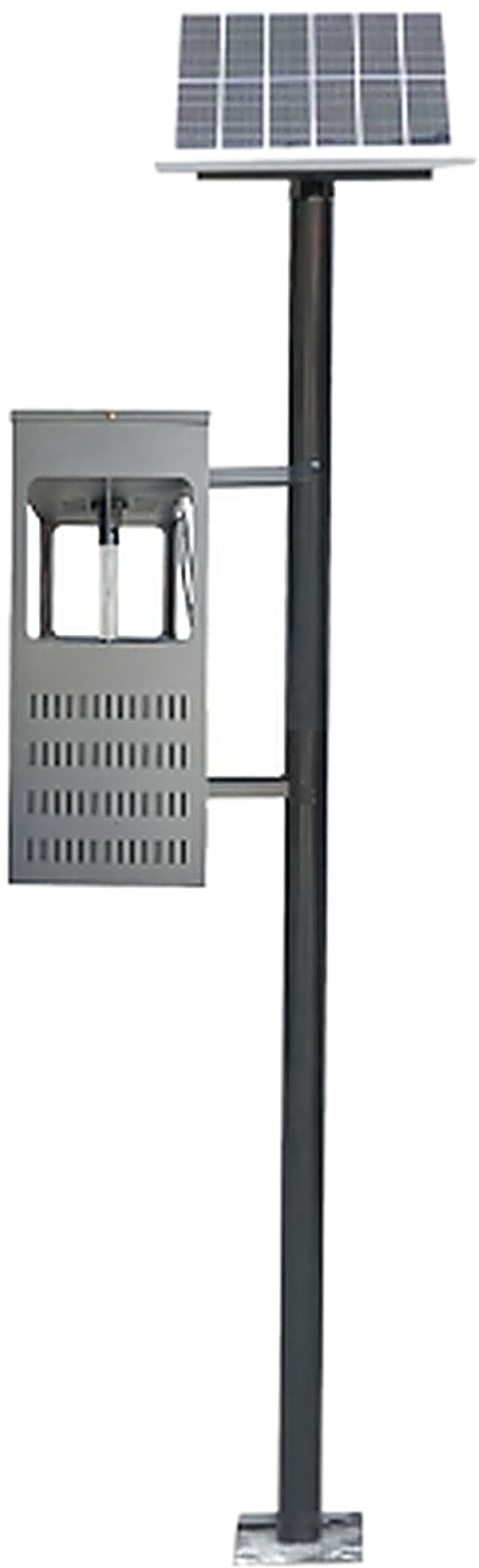
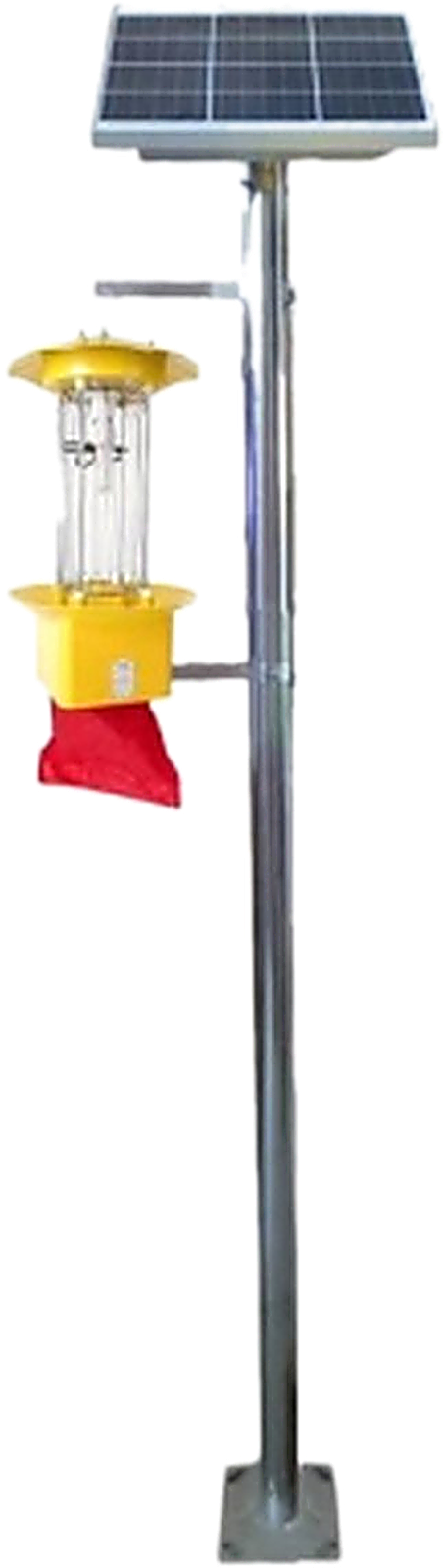

Use this guide alongside the references below to build a complete, defensible program.
For deeper technical and regulatory context, see the FAO Integrated Pest Management and the EPA safe pest control.
No device eliminates every insect, but a well-placed solar bug zapper dramatically reduces the adult population around seating and food, improving guest comfort and review scores.
Yes, when you choose a non-grid, contained-capture unit and empty the tray regularly. It introduces no spray residue into the dining area.
A LiFePO4 unit stores several nights of charge, so a couple of cloudy days are fine. For permanently shaded courtyards, pick a model with a larger panel or a swap-in battery.
Absolutely. That is the core advantage — no wiring, no permit, just mount and go. This is farm pest management simplicity applied to the city.