
Canada Prairie canola, wheat and BC greenhouse crops battle very different pest complexes, but the trapping logic is the same.
Canada’s cropping system is a study in contrasts. On the Prairies — Saskatchewan, Alberta, and Manitoba — vast monocultures of canola and wheat stretch to the horizon, while in British Columbia, high-value greenhouse vegetable and berry operations run year-round under glass. Both systems battle flying insects, but the economics and the pest spectrum could not be more different. This case study looks at how a solar insect killer fits into each, and what importers and grower groups should expect when specifying units for the Canadian market.
On the Prairies, the headline pests are not the same as in tropical agriculture. Canola faces bertha armyworm (*Mamestra configurata*) and diamondback moth migrations, while wheat and barley contend with cereal leaf beetle and various cutworms. These are largely nocturnal or crepuscular moths and beetles — exactly the flight activity a solar bug zapper with a UV-LED lure targets.
A key consideration for agricultural pest control here is scale. A single quarter-section (160 acres) may hold one or two trap sites. Because the pests are mobile and wind-dispersed, growers treat the trap as a field-edge and in-field monitoring-plus-suppression tool rather than a stand-alone silver bullet. In our reference deployment, a cooperative in Saskatchewan ran 40 units across 6,000 acres of canola and wheat.
Prairie farms are power-scarce. Running mains-powered light traps across thousands of acres is impractical. A solar insect killer with a LiFePO4 battery and a 20–40 W panel operates autonomously from April thaw to October frost. There is no trenching, no generator fuel, and no monthly connection cost — a strong argument for farm pest management budgets already stretched by input inflation.
On the coast, the pest pressure shifts to protected-culture insects: western flower thrips, greenhouse whitefly, and fungus gnats in propagation. Here the solar insect killer is used differently — as a perimeter and headhouse device that intercepts adults before they enter the crop zone, complementing biocontrol (predatory mites, parasitoids) inside the greenhouse.
BC operators we spoke with valued two things: IP65+ weatherproofing for the wet coastal climate, and low glare so the units do not disturb neighboring residential areas after dark. A solar bug zapper placed at the greenhouse vestibule cut adult thrips counts entering the bay by a measurable margin in their trial log.
Coastal BC means salt air. Units specified for this region need 316 stainless hardware or powder-coated aluminum and conformal-coated electronics. This is the same lesson learned in marine deployments — skip it and you replace traps within two seasons.
Across both the Prairie cooperative and the BC greenhouse group, participants reported:
None of this replaces integrated pest management. The solar insect killer is one layer — scouting, economic thresholds, and biocontrol remain the backbone of a sound agricultural pest control program.
For a Canadian grower group or municipality, the math is straightforward. A wind-suction solar bug zapper priced at the OEM tier costs a fraction of a single missed spray decision on 6,000 acres of canola. The device pays for itself in one season if it helps avoid even a single unnecessary broadcaster application or catches an outbreak a week earlier. Because there is no recurring energy bill, the operating cost after purchase is limited to occasional cleaning and a battery swap every 3–5 years.
Importers serving Canada should plan for CSA/UL recognition on electrical components, clear French/English labeling for Quebec, and winter storage guidance (batteries should be sheltered below −20 °C). Lead times from Asian OEM factories run 30–55 days, so order before the February–March planning window to arrive before spring deployment.
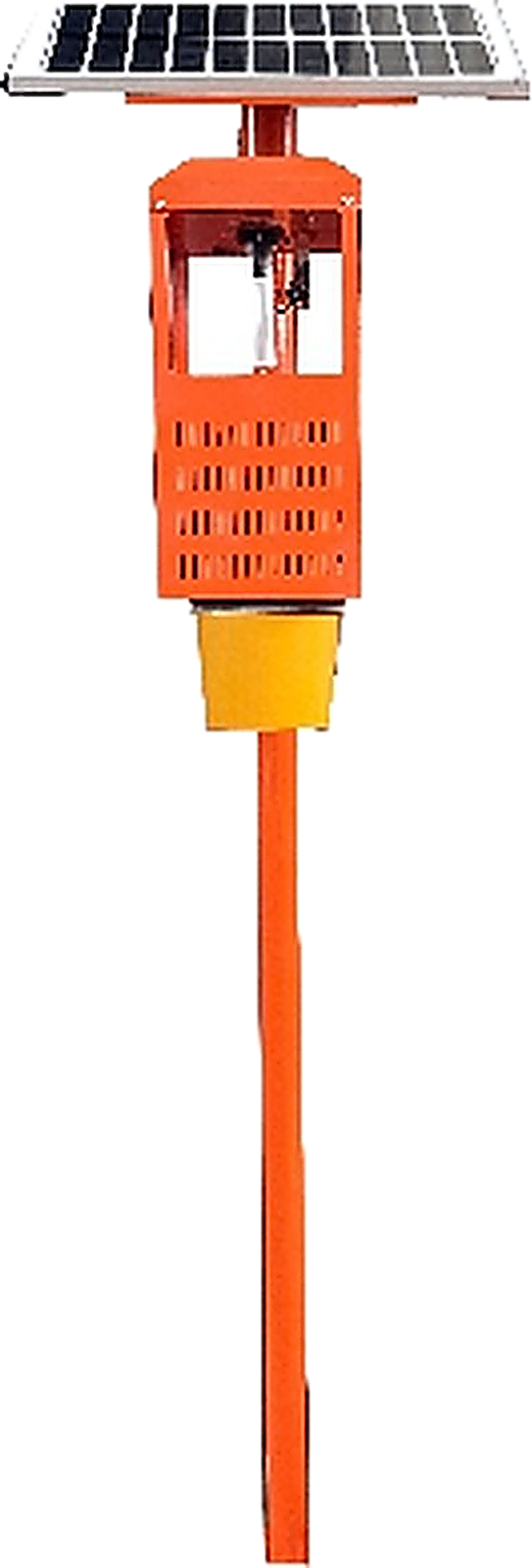
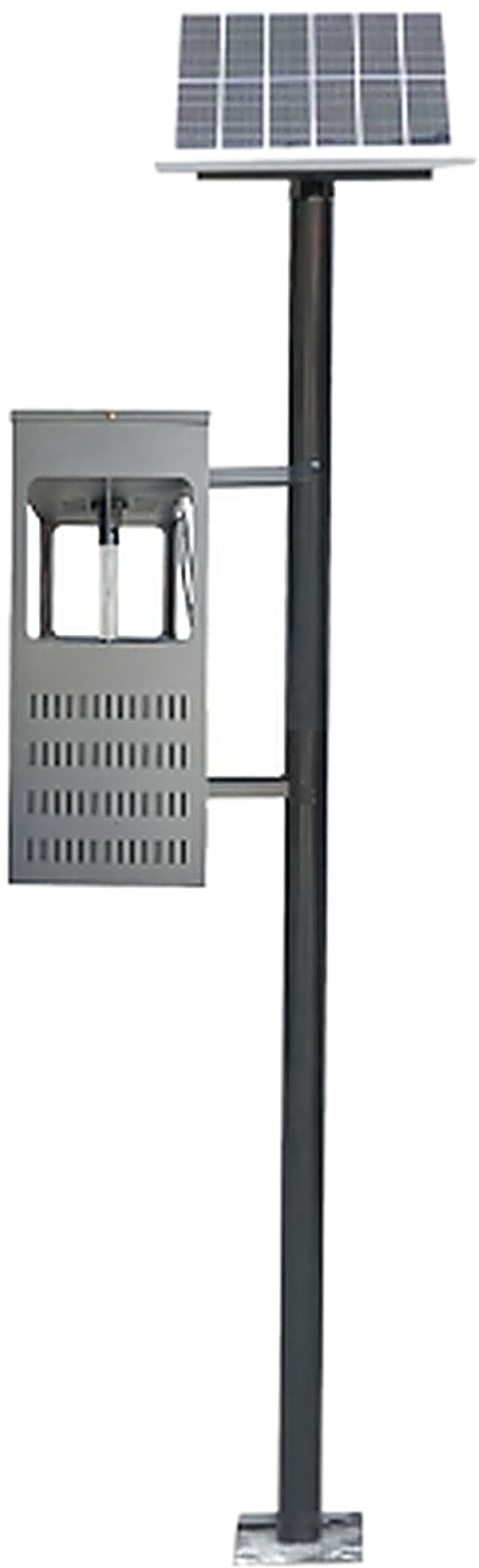
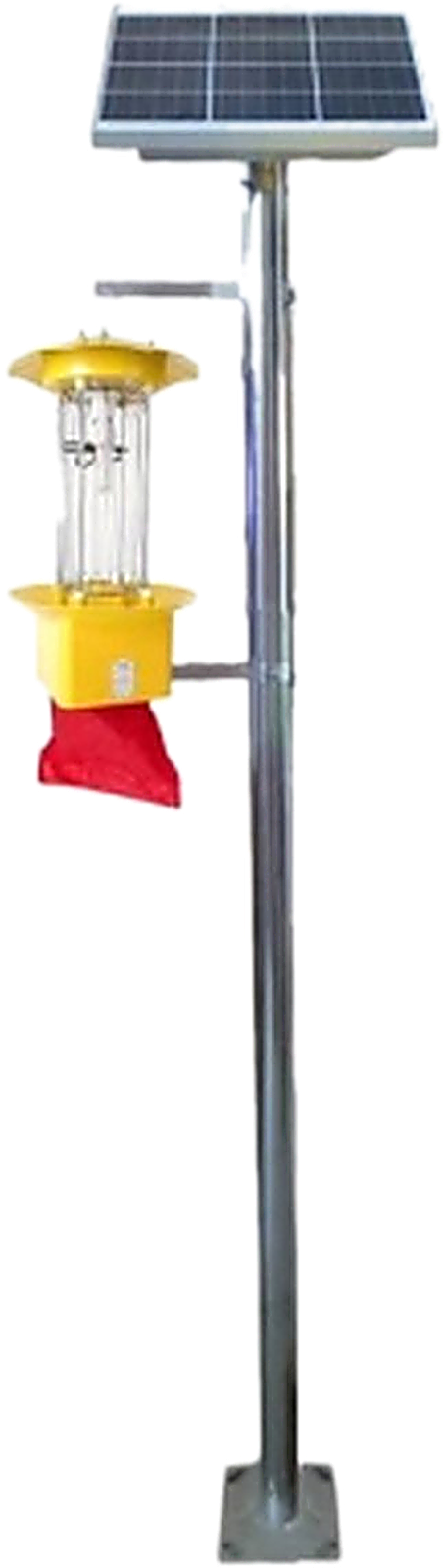

Use this guide alongside the references below to build a complete, defensible program.
For deeper technical and regulatory context, see the FAO Integrated Pest Management and the EPA safe pest control.
Yes. Modern LiFePO4 units charge fully even with 14–16 hours of summer daylight and run through the night. The bigger limit is the freeze-thaw cycle, which is why winter removal and indoor storage are recommended.
No single device covers acres. Treat the solar bug zapper as a suppression and monitoring node; space units every 2–4 hectares depending on pest pressure and field shape.
Physical traps are generally compatible with organic programs, but confirm with your certifier. The trap itself introduces no residue; it is the spray program around it that determines organic status.
Place units on posts away from bait stations and livestock feed. The light attracts insects, not mammals, but tidy siting avoids curiosity damage.