
For distributors, importers, and OEM buyers, choosing the right solar insect killer is only half the job. Getting the units from a Chinese factory to your warehouse — intact, on time, and cleared by customs — is the other half. This guide walks through the practical farm pest management supply chain so you can plan freight, duties, and lead times before you sign a purchase order.
A solar bug zapper is a mixed-compliance product: it carries a lithium or LiFePO4 battery, a solar panel, LED lamps, and electronic controllers. Each component triggers its own shipping and customs rules. Importers who treat these units like ordinary agricultural hardware often face surprise inspections, battery-handling fees, or container rejections. A structured plan avoids all three.
Most buyers ship in one of two modes:
For a first agricultural pest control trial order, LCL keeps cash flow flexible. For recurring replenishment, FCL is almost always cheaper per unit and safer for fragile solar panels.
Accurate classification is the foundation of smooth clearance. Solar insect killers are typically declared under headings that cover electrical insect traps or combined solar-lamp apparatus. Your supplier should provide the exact 10-digit code for your destination market, but never accept a vague or “for convenience” code — misdeclaration invites penalties and shipment holds.
Declare the true transaction value. Under-valuing to dodge duty is a common trigger for customs audits and can void your supplier’s commercial-invoice support if a claim arises.
Because most units contain rechargeable batteries, carriers treat them under lithium-battery transport rules:
Ask your factory for a compliant MSDS and UN 38.3 report before booking. A missing document is the single most common cause of a container sitting on the dock.
Solar panels and lamp housings are the fragile parts. Good suppliers:
Request a loading photo and a sealed-container picture before departure. For farm pest management programs on a tight seasonal window, a damaged shipment in week 12 of a 14-week season is a real loss.
Clearance requirements vary by country, but the document set is fairly standard:
Some markets require an importer of record with local registration, or a specific license for electronic goods. Confirm this with a licensed customs broker in your destination country before the goods sail.
Solar insect killers sell into a seasonal agricultural pest control cycle. Build your calendar backward from the local pest-pressure peak:
Buyers who plan quarterly rather than reactively avoid the annual pre-season rush when freight space and factory capacity are tightest.
A competent forwarder earns their fee by consolidating, pre-clearing documents, and flagging battery issues early. Share your supplier’s HS code, battery spec, and carton dimensions up front. Many forwarders also offer DDP (Delivered Duty Paid) terms, which shift clearance responsibility to the seller — useful if you lack a local broker.



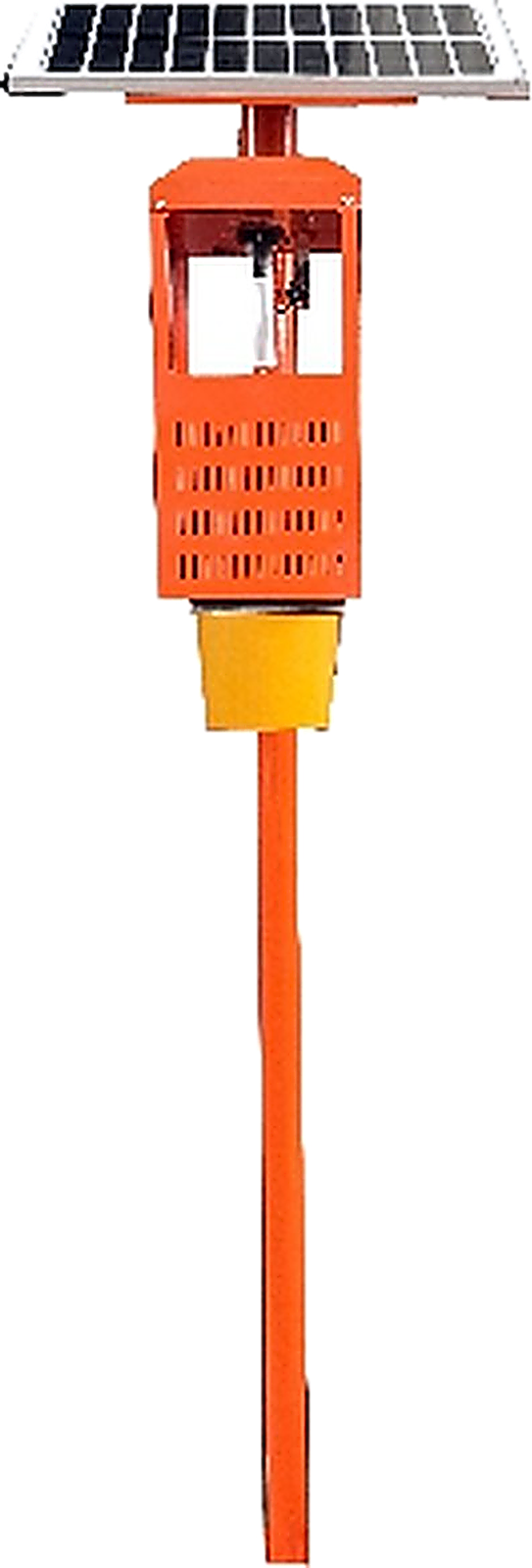
Use this guide alongside the references below to build a complete, defensible program.
For deeper technical and regulatory context, see the FAO Integrated Pest Management and the EPA safe pest control.
Q: Can I mix solar insect killers with other products in one container? A: Yes, but keep batteries and panels grouped and padded. Mixed commodity loads still need a clear packing list per HS code.
Q: How long does ocean freight from China usually take? A: To most ports, 25–45 days plus 3–10 days for clearance. Air freight is 5–9 days but several times the cost.
Q: Do I need a special license to import solar bug zappers? A: Typically no special license beyond standard electronics import, but battery and electrical-compliance documents are mandatory. Check with a local broker.
Q: What is the safest Incoterm for a first order? A: FOB (Free on Board) lets you control the forwarder and cost; DDP simplifies if you lack import infrastructure.
Plan the logistics as carefully as the product, and your solar insect killer program arrives ready for the season instead of stuck at the port.