
Every integrated pest management program gains from a light pheromone ipm plan that layers scent and light traps.
A light pheromone ipm plan works best when devices are spaced by habitat and maintenance is scheduled before peak season, not after pests arrive.

A single solar insect killer reduces adult pest numbers, but the strongest farm pest management results come from layering tools. Pheromone traps attract a specific species with scent, while light traps pull a broad range of nocturnal flying insects. Used together inside one IPM plan, they give growers both precise monitoring and mass adult reduction. This guide explains how B2B buyers can position combined programs that outperform either tool alone.
A solar bug zapper using wind-suction or an electric grid intercepts many nocturnal species at once — moths, beetles, planthoppers, and more. It is the workhorse of area-wide adult suppression and needs no consumable lure, which keeps recurring cost near zero for the grower.
Pheromone lures draw one target species, making them ideal for population monitoring and mating-disruption timing. They tell you *when* a pest flight peaks so you can act precisely rather than spraying on a calendar — the foundation of modern agricultural pest control.
A practical layout places pheromone monitoring traps at field corners to track flight curves, while solar insect killer units sit on a spacing grid matched to the target pest’s flight range. The pheromone data tells you when to expect peaks; the light traps do the continuous knockdown. Together they form a closed loop of measure and suppress.
When pheromone monitoring shows a flight onset, growers can temporarily increase light-trap density or run units longer into the dawn. This just-in-time approach reduces unnecessary operation and focuses energy on the actual pest window — a more efficient farm pest management spend than running blind all season.
For pests like codling moth or bollworm, pheromone-based mating disruption confuses males, while a solar insect killer removes adults that still mate or migrate in. The combination lowers next-generation pressure more than either tool alone and is especially valuable in regulated markets that restrict insecticides.
Integrated programs let cooperatives replace calendar spraying with threshold-based action. Pheromone catch counts trigger intervention only when populations cross economic thresholds, and light traps keep the background adult population suppressed between events. This is core IPM logic that resonates with buyers facing residue limits and rising input costs.
Distributors can bundle a solar insect killer with pheromone lure subscriptions, creating recurring revenue and deeper customer lock-in. Offer a starter IPM kit: light traps plus species-specific lures plus a simple monitoring log sheet that turns raw catch counts into actionable spray decisions.
Not every pest yields equally to light. Strong responders include noctuid moths, planthoppers, and many beetles; weak responders include day-flying scales and soil dwellers. Pair the solar insect killer with pheromones precisely for the species you can actually monitor, and reserve light knockdown for the broad nocturnal complex. This honest scoping prevents over-promising and protects distributor credibility in the field.
The most frequent error is placing light traps too far from pheromone monitoring points, so the knockdown and the intelligence describe different zones. Another is ignoring lure expiry — a dead lure reports zero catch and falsely signals a pest-free field. Train users to rotate lures on schedule and to co-locate at least one light trap near each monitoring station for agricultural pest control consistency.
Bundling a solar insect killer with a lure subscription shifts the sale from a one-time hardware transaction to a multi-season relationship. The light trap drives visible knockdown that wins the trial; the lure subscription drives recurring margin and a reason to stay. Distributors that lead with an IPM kit rather than a bare solar bug zapper report higher retention and larger reorder volumes across seasons.
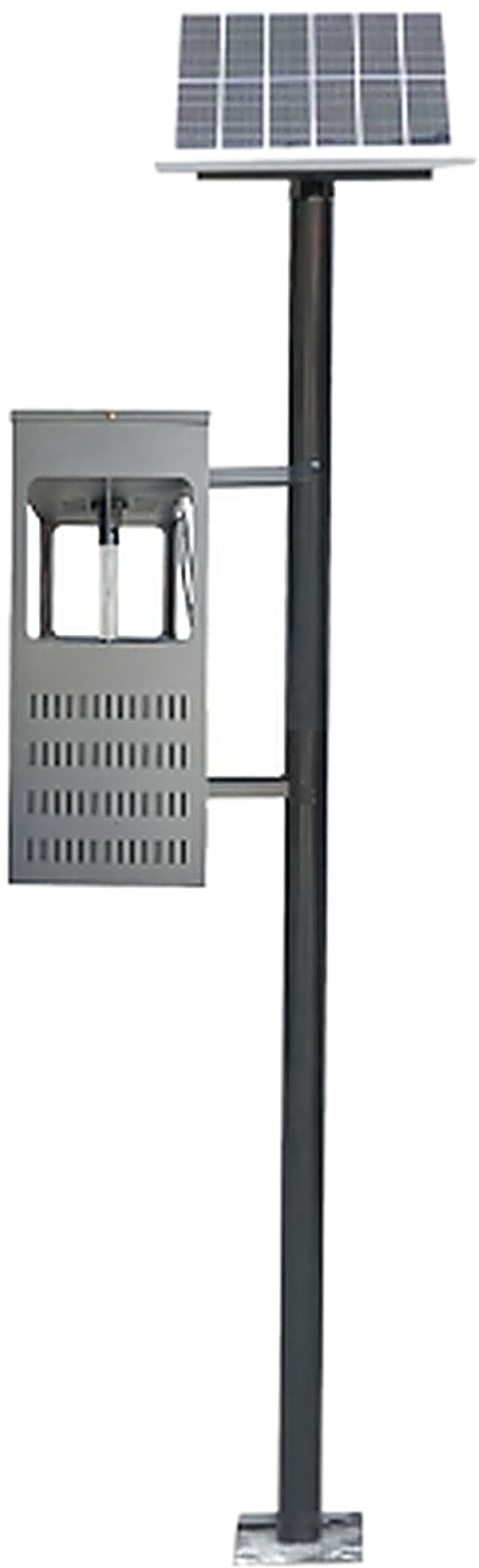
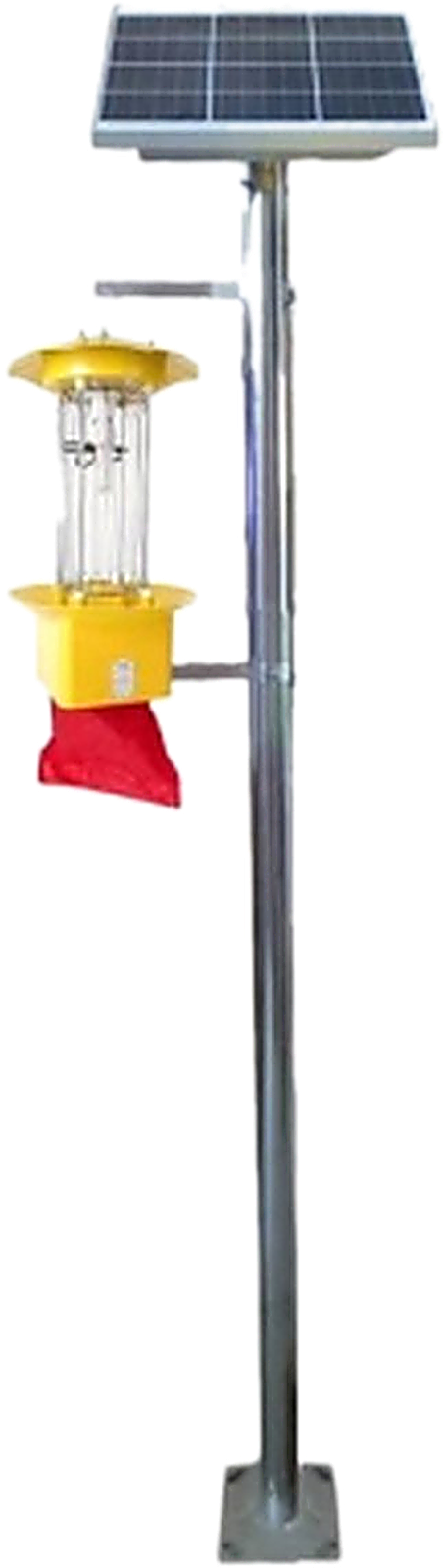
Use this light pheromone ipm guide alongside the references below to build a complete, defensible program.
For deeper technical and regulatory context, see the FAO Integrated Pest Management and the EPA safe pest control.
Do pheromone and light traps compete or complement? They complement: pheromones give species-specific monitoring, while a solar insect killer provides broad adult knockdown for stronger agricultural pest control across the whole field.
Can I reduce sprays with this combo? Yes. Monitoring-driven thresholds plus continuous light trapping let many growers cut calendar sprays, lowering residue risk and cost in farm pest management programs.
Are lures a recurring cost? Pheromone lures typically last several weeks and need replacement, creating a predictable service revenue stream for distributors of solar bug zapper systems.
Which pests respond best? Nocturnal moths — bollworm, codling moth, rice stem borers, and planthoppers — respond strongly to combined light and pheromone IPM programs deployed as a single plan.