
Every Iran Middle East grower gains from a solar insect killer plan that targets the adult flying stage through the hot season.
A iran middle east plan works best when devices are spaced by habitat and maintenance is scheduled before peak season, not after pests arrive.
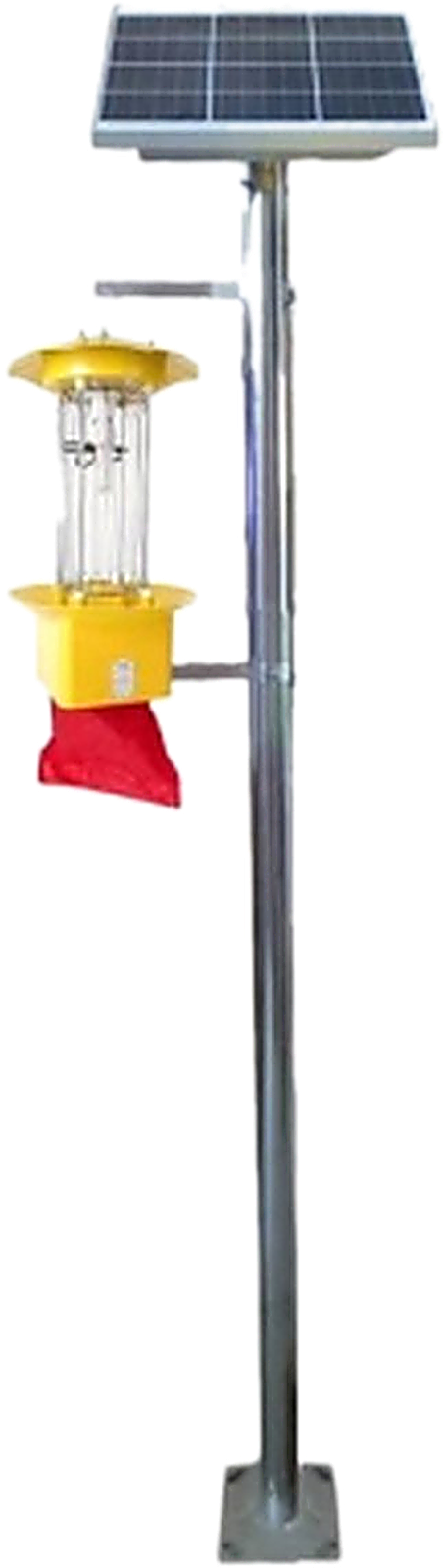
The arid and semi-arid belts of Iran and the wider Middle East grow some of the world’s highest-value permanent crops — pistachio, cotton, and date palm — under intense pest pressure and scarce water. For B2B buyers serving MENA agriculture, the region is a proving ground for any solar insect killer that can survive heat, dust, and low humidity while still cutting chemical load. This case study looks at how growers deployed light-trapping units across three flagship crops.
Pistachio production in Kerman and Rafsanjan battles the pistachio twig borer (*Kermania pistaciella*), the raisin moth, and several noctuid moths whose adults fly at night and respond to light. Conventional broad spraying is costly and creates residue concerns on an export nut that faces strict import audits.
Growers mounted wind-suction solar insect killer units on orchard poles at 2–2.5 m, one per 0.5–1 hectare depending on canopy density. The devices intercepted adult moths before egg-laying, reducing larval boring in new shoots. Because units need no grid power, orchards avoided trenching power lines across valuable irrigated land, a major saving in remote Kerman valleys.
Cotton across Iran and adjacent Gulf-adjacent farms faces bollworms (*Helicoverpa* spp.) and aphids. Bollworm moths are strongly phototactic, making them ideal targets for a solar bug zapper placed at field margins where adults congregate at dusk.
Cotton cooperatives placed traps at the field edge and along internal rows on a grid spacing matched to moth flight range. Over a season, participating blocks reported fewer fresh bollworm entries and trimmed insecticide sprays, protecting both yield and fiber quality for export mills that penalize residue.
Date palms suffer from the red palm weevil (*Rhynchophorus ferrugineus*) and several pyralid moths. While the weevil beetle itself is not light-trapped effectively, the adult moths that defoliate and damage inflorescences are nocturnal and light-responsive, so a farm pest management program pairs sanitation with light traps.
Plantations ran solar insect killer units along irrigation rows and around nursery blocks. Combined with pheromone monitoring, traps helped time sanitation and reduced adult moth movement between palms, protecting the high-value fruit set that defines plantation revenue.
The MENA environment demands hardware built for extremes:
A solar insect killer specified for temperate climates will not survive a Gulf summer, so matching the bill of materials to the market is a core B2B responsibility.
Across the three crop programs, growers reported meaningful reductions in adult pest pressure and a corresponding drop in spray passes. In pistachio blocks, reduced shoot boring translated into cleaner nuts at grading, supporting export premiums. In cotton, lower bollworm entry protected fiber length, a key mill specification. Date plantations reported calmer nursery blocks where young palms are most vulnerable. These outcome patterns repeated across two seasons, giving importers a defensible ROI story for the region.
MENA deployment splits between large state and private estates and smaller family orchards. Estates can run solar insect killer fleets with in-house maintenance teams, while smallholders benefit from cooperative bulk purchase that lowers the per-unit barrier. Both models succeed when spare-part logistics are planned up front, because a trap that cannot be serviced quickly loses grower trust and stalls reorder momentum for the distributor.
The same hardware pattern extends to other regional staples — pomegranate, almond, and citrus groves across Iran and the Levant face the same nocturnal moth complexes. A farm pest management playbook built around one validated solar bug zapper SKU therefore opens a wide product ladder for B2B buyers rather than a single crop pitch.
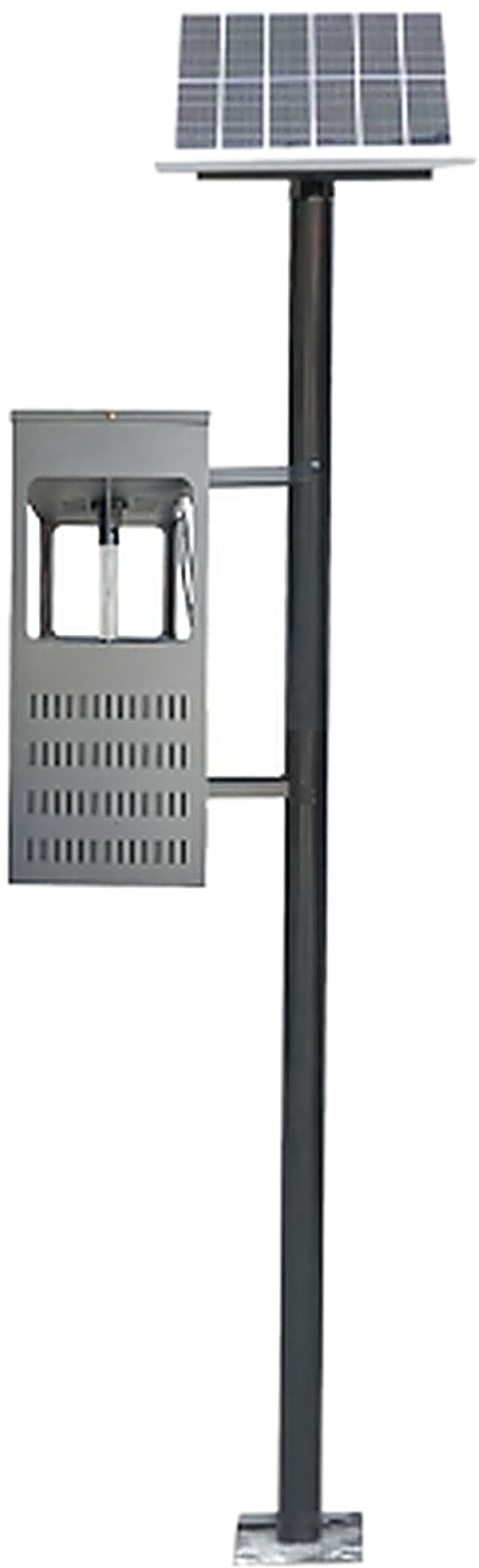

Use this iran middle east guide alongside the references below to build a complete, defensible program.
For deeper technical and regulatory context, see the FAO Integrated Pest Management and the EPA safe pest control.
Do solar insect killers survive Middle Eastern heat? Yes, with LiFePO4 cells rated above 60 °C and IP65+ sealed enclosures, a solar insect killer runs through the extreme summer heat common in Iran and the Gulf.
Can they control red palm weevil? Light traps alone do not control the weevil beetle, but they catch the nocturnal moths that damage date inflorescences, supporting a broader agricultural pest control program alongside sanitation.
Is dust a problem for panels? Dust reduces charging, so specify anti-soil panels and a simple wipe schedule; many MENA deployments pair traps with existing irrigation labor at low cost.
How do I import to the region? Work with suppliers providing Arabic/English manuals, region-recognized certification marks, and documentation suited to farm pest management equipment entering Gulf and Iranian-adjacent markets.