
Every farm pest management buyer gains from a solar insect killer battery plan that matches chemistry and controller to the climate.
A solar insect killer battery plan works best when devices are spaced by habitat and maintenance is scheduled before peak season, not after pests arrive.
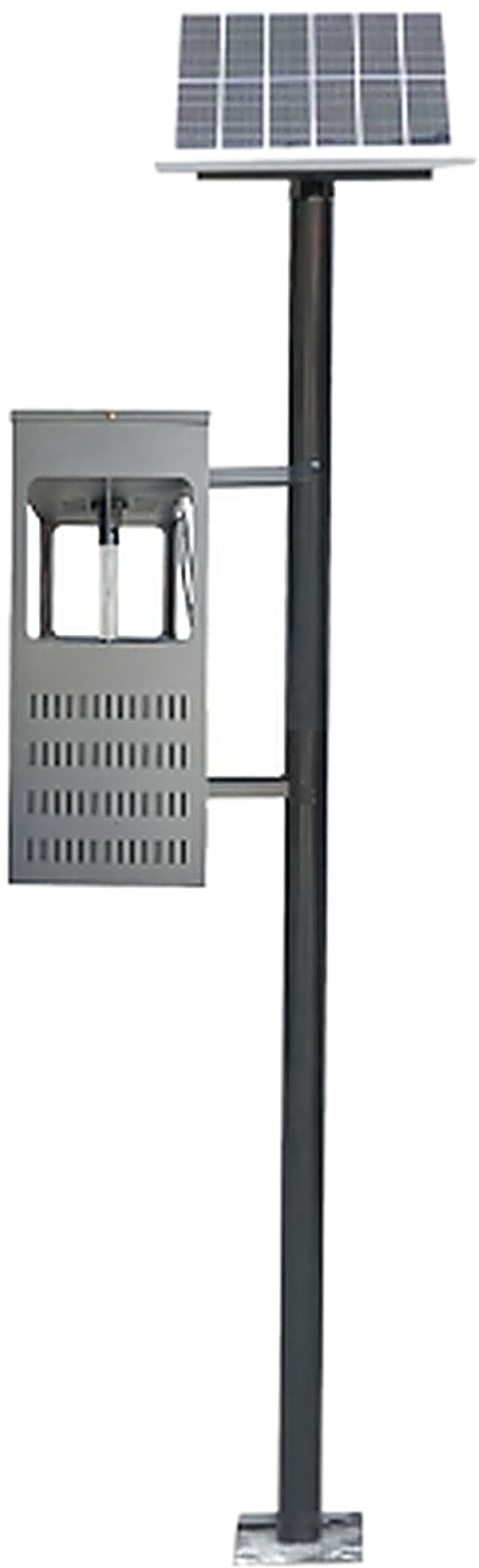
A solar insect killer lives or dies by its power train. The lamp, fan, and control board are only as reliable as the battery that stores the day’s sunlight and the charge controller that manages it. For B2B importers and distributors, understanding battery chemistry and charge-controller topology is the difference between a unit that runs three seasons and one that fails after a single monsoon. This guide breaks down the choices so buyers can specify the right agricultural pest control hardware for their market.
Flooded and gel lead-acid cells are the cheapest option on a solar bug zapper bill of materials. They work, but they tolerate only shallow depth of discharge — cycling them below 50% permanently shrinks capacity. In humid tropical fields where a unit must run nightly for eight months, lead-acid packs often need replacement within a year, inflating the true total cost of ownership for the distributor and the grower alike.
Lithium iron phosphate (LiFePO4) cells tolerate 80–90% depth of discharge, weigh roughly one-third of an equivalent lead-acid pack, and deliver 2,000+ charge cycles. For a farm pest management program that spans multiple seasons, LiFePO4 lowers replacement frequency and shrinks shipping weight for overseas importers. The higher upfront cost is usually recovered within the first two seasons through avoided battery swaps and fewer field-service calls.
Pulse-width modulation controllers are inexpensive and robust. They work well when the solar panel voltage closely matches the battery bank. On a small solar insect killer with a matched 12 V panel and 12 V battery, PWM is adequate and keeps the bill of materials low, which matters for high-volume OEM orders targeting price-sensitive markets.
Maximum power point tracking controllers extract 15–30% more energy from the same panel, especially in cloudy or low-light conditions. For high-latitude or dust-prone deployments where daily charge is marginal, an MPPT controller keeps the solar bug zapper running through extended overcast spells. MPPT also enables higher-voltage panels with thinner wiring, a plus for large distributor shipments where freight weight is a concern.
Battery sizing should follow the worst-case week, not the average day. In regions with long rainy seasons, specify at least three to four nights of autonomous operation. A solar insect killer that goes dark during a pest flight peak wastes the entire investment, so over-sizing the battery bank is cheaper than lost catch and cheaper than an angry reseller.
Panel wattage must replenish the nightly draw plus margin. As a rule of thumb, size the array so it fully recharges the battery in roughly one good sunny day. Importers serving cloudy markets should request higher-watt panels or dual-panel layouts from the OEM to maintain uptime through marginal weather windows.
The most common power-related returns on a solar insect killer are swollen lead-acid packs from chronic over-discharge and fried PWM controllers during heatwaves. Specifying a temperature-rated LiFePO4 and a controller with thermal cutoff prevents both. Distributors should also insist on reverse-polarity protection so field technicians cannot damage units during service calls.
A credible B2B supplier backs the battery with a cycle or year guarantee and publishes the test method. For agricultural pest control fleets, negotiate tiered pricing on replacement cells so your service margin stays healthy across the product lifespan. Document the expected cycle count in your distributor agreement to avoid disputes over normal wear.
When evaluating suppliers, ask for:
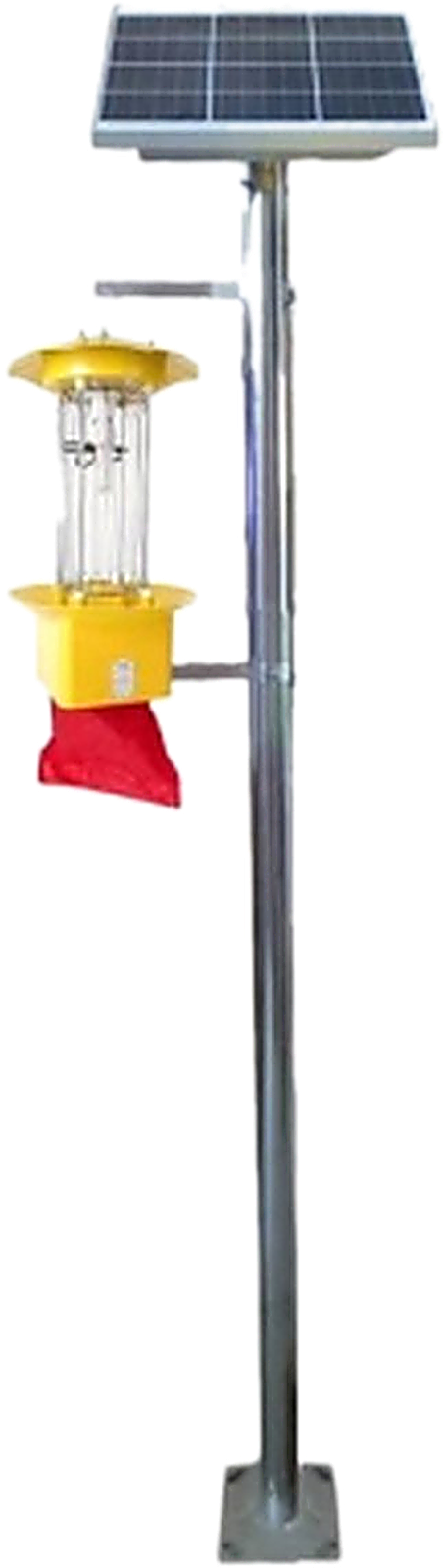

Use this solar insect killer battery guide alongside the references below to build a complete, defensible program.
For deeper technical and regulatory context, see the FAO Integrated Pest Management and the EPA safe pest control.
Which battery lasts longer in a solar insect killer? LiFePO4 outlasts lead-acid by 3–5x in field conditions because it tolerates deep discharge and heat better, making it the better choice for year-round agricultural pest control.
Is MPPT worth the extra cost? In sunny, well-matched systems PWM is fine. Choose MPPT when panels are higher voltage, the climate is cloudy, or you need maximum nightly uptime for farm pest management.
Can I replace the battery myself as a distributor? Yes, if the OEM provides tool-free access and spare SKUs. Standardize on one battery format across your product line to simplify solar bug zapper service and reduce inventory.
How do I ship batteries internationally? LiFePO4 is generally safer for air and sea freight than other lithium chemistries, but confirm UN38.3 documentation with your supplier before bulk import into regulated markets.