Every B2B sourcing and compliance teams gains from a solar insect killer factory plan that targets the adult flying stage and runs through peak season.
A solar insect killer factory plan works best when devices are spaced by habitat and maintenance is scheduled before peak season, not after pests arrive.
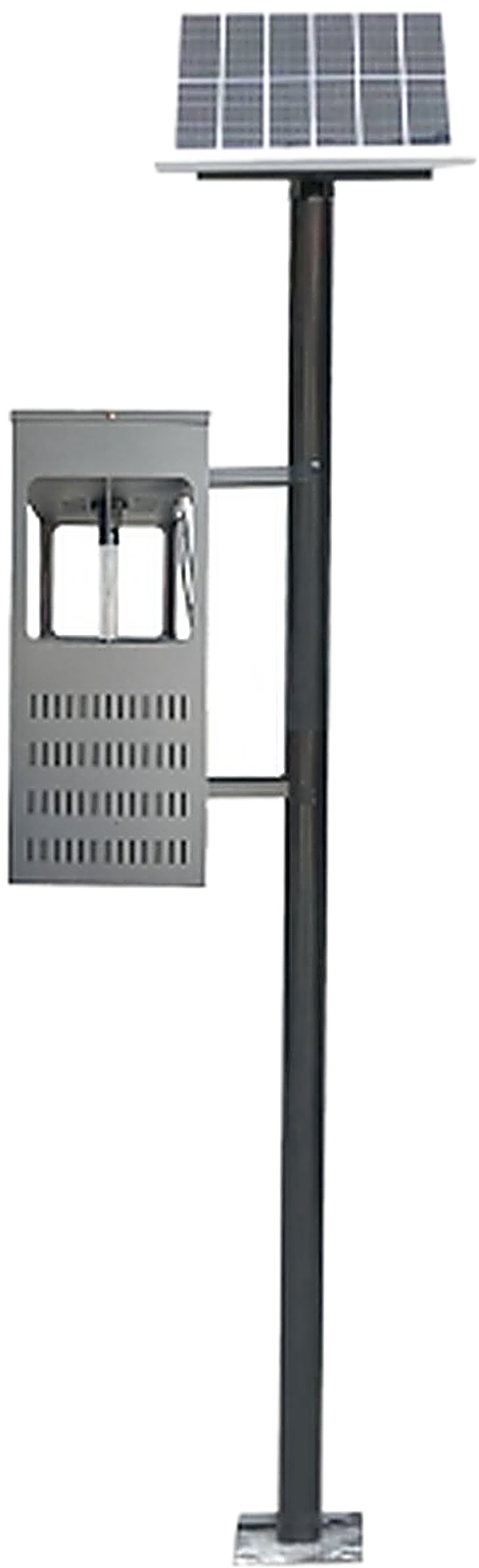
When you source a solar insect killer through OEM or ODM, you are not just buying a product — you are adopting the supplier’s production system, labor practices, and quality discipline. A proper factory audit protects your brand, your customers, and your margin. For B2B buyers in agricultural pest control, an audit is the difference between a reliable year-round supply and a shipment of units that fail in the field.
This guide walks importers through the compliance and capability checks that matter most before signing a contract.
Large European and North American retailers require proof of responsible manufacturing. Two schemes dominate:
A credible solar insect killer manufacturer should hold a valid, recent BSCI or SMETA report, not just a self-declaration. Ask for the audit date and the grading; a “D” or failed rating is a red flag.
For market access, confirm CE (Europe), FCC (USA), RoHS, and relevant IP ratings. These are table stakes for a professional farm pest management brand.
A factory audit should verify real monthly output, not brochure claims. Ask to see:
A supplier that cannot show capacity data is a risk for OEM ODM solar insect killer programs with fixed launch dates.
Determine which stages the factory controls directly — injection molding, PCB assembly, panel sourcing, final assembly — versus what is subcontracted. More in-house control usually means better consistency and faster corrective action.
During the audit, observe these checkpoints:
Documenting these steps tells you whether the solar insect killer you specify is the one you will receive.
Watch for these during any social compliance review:
Any of these can trigger customs holds, retailer delisting, or reputational damage in the agricultural pest control channel.
Both require a clear contract clause on corrective actions and re-audit timing.
Even compliant factories can produce defective units. During the audit, look for recurring issues that specifically affect a solar insect killer:
Catching these at the factory is far cheaper than processing returns from overseas distributors.
Buyers should agree on an Acceptable Quality Limit (AQL) before shipment. A typical plan for solar bug zapper imports uses AQL 2.5 for major defects and AQL 4.0 for minor ones, with a random pull from each production lot. The audit should confirm the factory actually performs this sampling rather than shipping uninspected cartons. Pair the AQL with the aging and waterproof tests already described, and your farm pest management product will arrive field-ready.
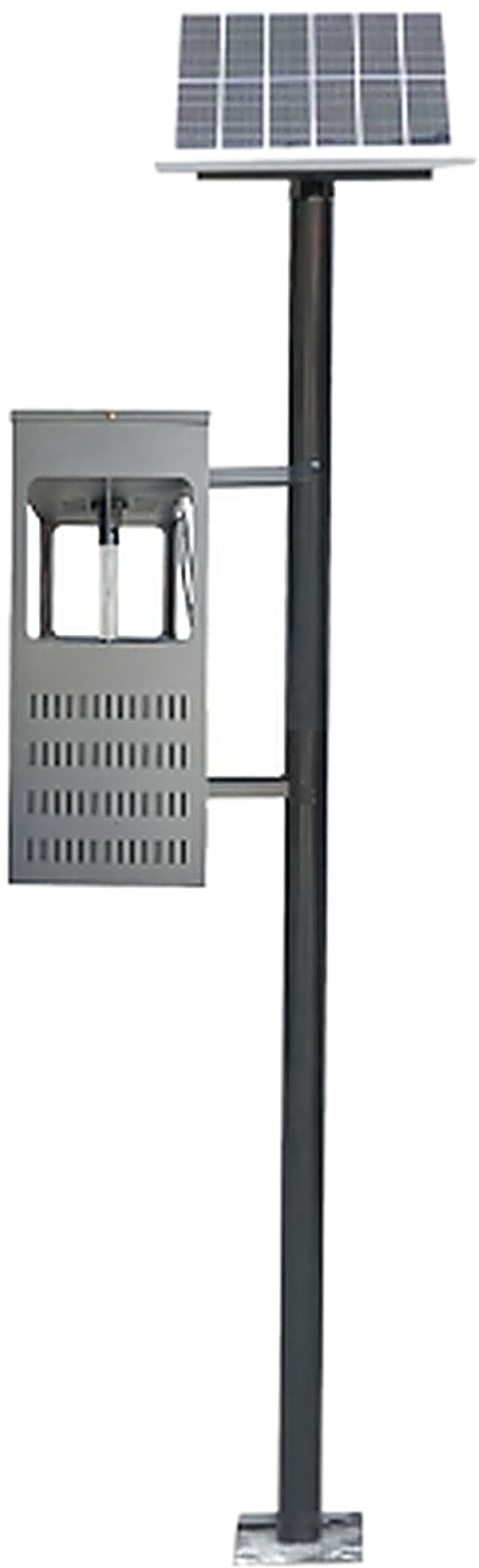
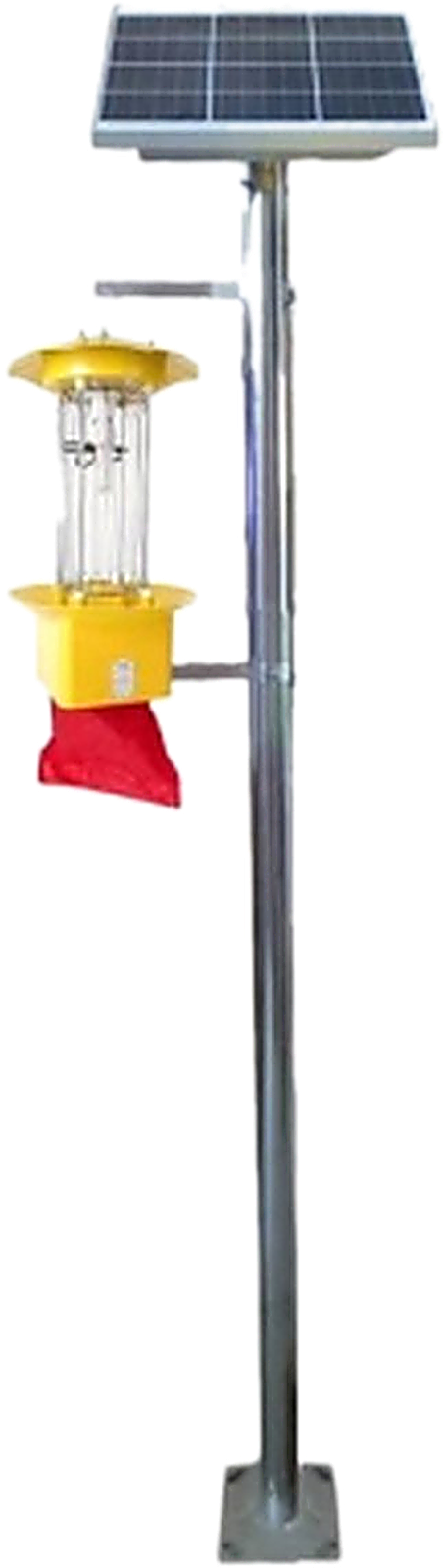
Use this solar insect killer factory guide alongside the references below to build a complete, defensible program.
For deeper technical and regulatory context, see the FAO Integrated Pest Management and the EPA safe pest control.
How much does a factory audit for solar insect killers cost? A third-party social audit typically runs a few hundred to over a thousand US dollars depending on location and depth; a combined quality-plus-social audit costs more but de-risks the whole program.
Is BSCI or Sedex enough on its own? For many retailers yes, but pair it with your own quality audit. Social compliance does not guarantee that the solar bug zapper performs in the field.
Can I audit a factory remotely? Desktop audits and live video walkthroughs help, but an on-site visit remains the gold standard for verifying capacity and working conditions.
What if the factory fails the audit? Use the findings as a negotiating tool: require a corrective-action plan with deadlines, then re-audit before committing volume orders.