
Smallholder farmers across Africa and Southeast Asia feed billions of people from plots measured in fractions of a hectare. They also lose a staggering share of that harvest to insects. For these growers, a solar insect killer is not a luxury gadget — it is one of the few pest tools that works with no grid, no fuel, and no recurring chemical bill. This playbook explains how to deploy solar bug zappers where the farms are small, the power is off, and the margin for error is zero.
Rural smallholdings in Kenya, Nigeria, Vietnam, Indonesia, the Philippines, and Thailand frequently sit far from reliable electricity. Spraying is expensive and exposes the farmer and the crop to residues. A solar insect killer runs on free sunlight, needs no consumables beyond an occasional clean, and fits the real constraint of off-grid life.
For agricultural pest control at the smallholder level, the win is not just fewer bugs — it is lower cost per season and safer food.
A common mistake is buying one trap per farmer and hoping. Light traps have a capture radius of roughly 20–50 meters depending on the lamp and surroundings. On a 0.5 ha plot:
Good farm pest management here means covering the flight path, not carpeting the field.
Different regions battle different pests:
A single solar bug zapper type rarely fits all. Choose a model with a broad UV band and a collection tray sized for the local pest load.
Affordability decides adoption. Frame the math around a season, not the sticker price:
When a cooperative or NGO bundles 20–50 units, the per-unit logistics cost drops and a shared maintenance rotation keeps them running. This is where agricultural pest control becomes a community asset rather than a personal gamble.
Both regions swing between drenching wet seasons and harsh dry ones. Deployment rules:
The best solar insect killer fails if nobody empties the tray or reports a dead unit. A 20-minute demonstration at planting time pays back all season:
The pattern that repeats across Africa and Southeast Asia is that a single household rarely justifies a full unit, while a group of eight to twelve neighbouring plots easily does. Extension teams that start from that arithmetic get far better utilisation than programmes that hand out one device per family and watch it sit unserviced after the first season.
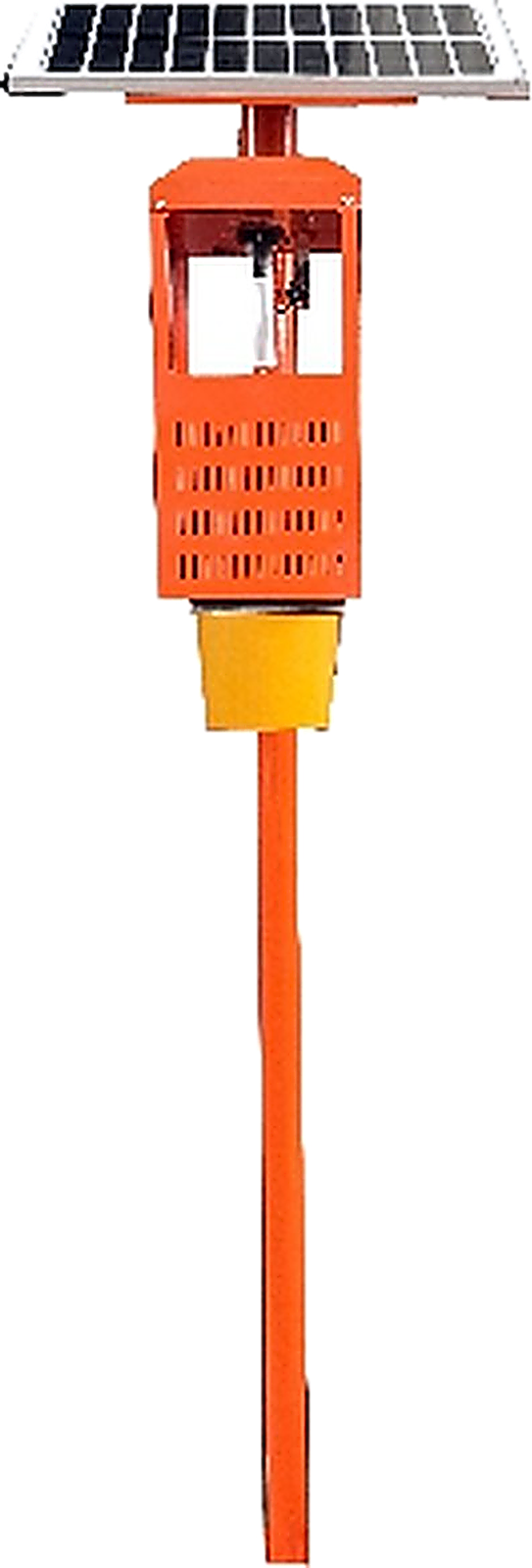
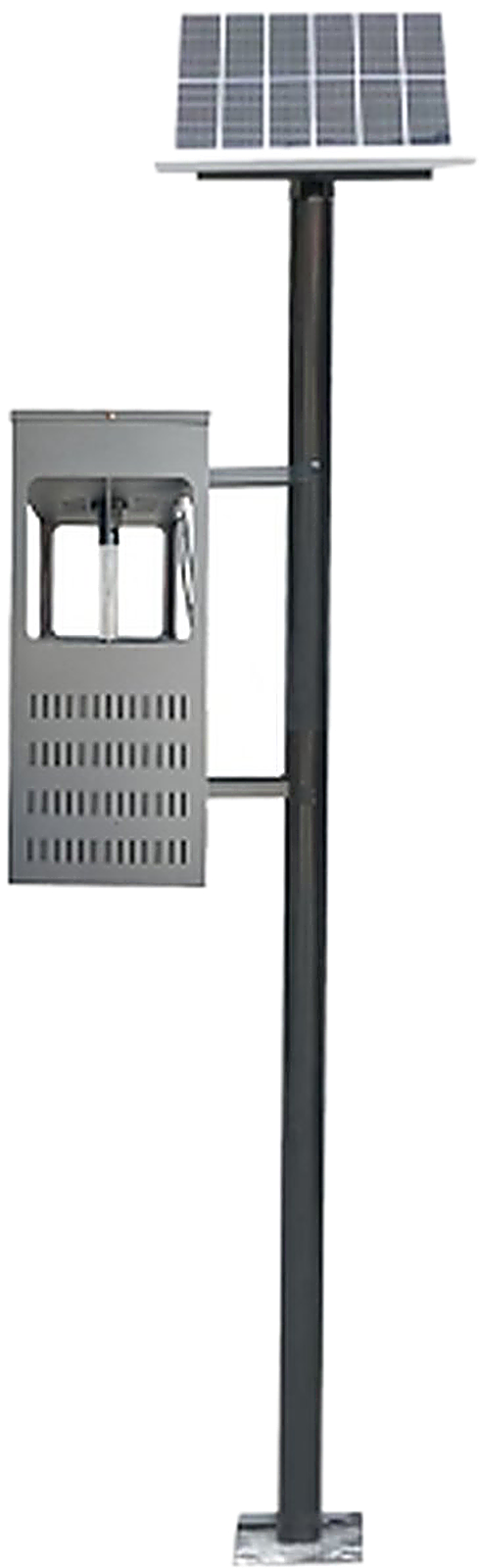


Use this guide alongside the references below to build a complete, defensible program.
For deeper technical and regulatory context, see the FAO Integrated Pest Management and the EPA safe pest control.
How many traps does a 1 hectare farm need?
Usually 4–6, placed at corners and centre. Density matters more than raw count on small plots.
Do solar insect killers replace spraying completely?
Often they cut sprays sharply, but in outbreak years a targeted spray may still help. They are the backbone, not always the whole plan.
What about bees and beneficial insects?
Use species-specific timing and avoid placing traps inside flowering rows during peak pollinator hours. Pollinator-safe siting protects yields.
Can a village share one charging and repair kit?
Yes. A small spare-parts box and one trained repairer per cooperative keeps a whole cluster of solar bug zappers alive.
For smallholder agriculture in Africa and Southeast Asia, the solar insect killer is a rare tool that meets farmers where they are: no grid, no fuel, no chemical bill. Deploy by spacing and climate, price by season, and train by demonstration. That combination turns a piece of hardware into durable farm pest management — and into real, harvested food.