
For example, every legume and pulse crop pest program gains from a solar insect killer legume plan that targets the adult flying stage and runs through peak season.
As a result, a solar insect killer legume plan works best when devices are spaced by habitat and maintenance is scheduled before peak season, not after pests arrive.
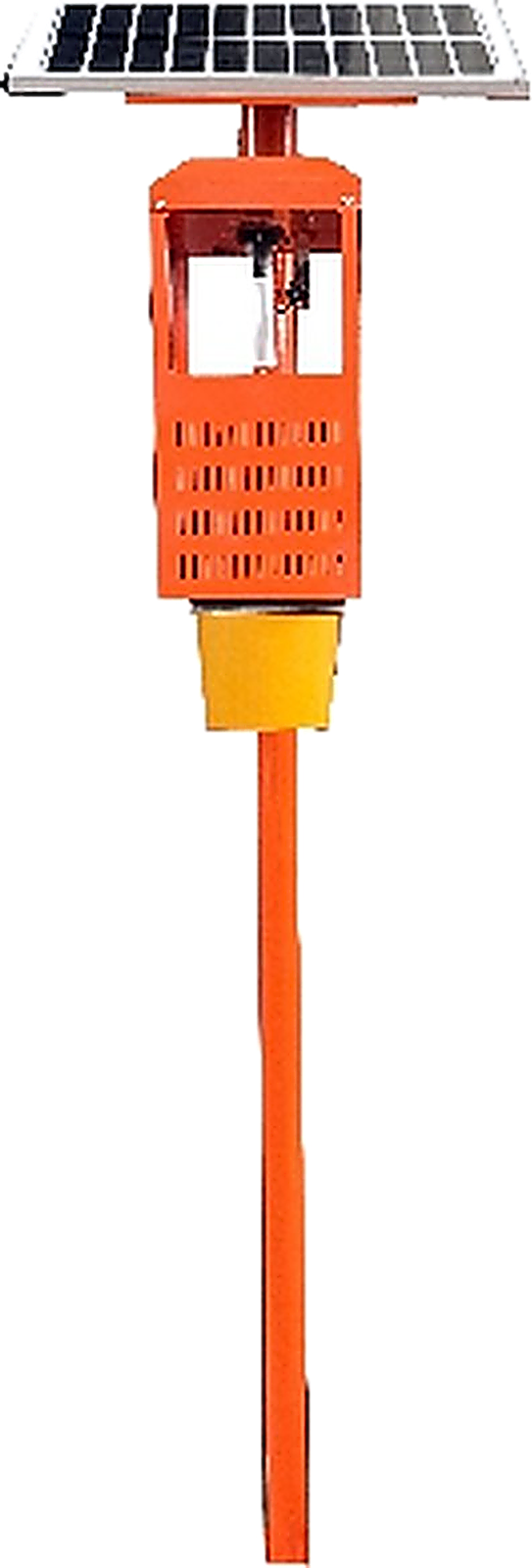
Beans, peas, lentils, chickpeas, and soybeans feed billions, yet they are among the most insect-pressured crops in the field. A solar insect killer gives pulse growers a chemical-free layer of agricultural pest control that complements spraying, protects nitrogen-fixing soil health, and shields the bees that set the pods.
Overall, for example, legumes fix their own nitrogen and produce tender flowers, pods, and seeds — a buffet for a wide pest complex:
Meanwhile, as a result, the common thread is that the damaging life stage is almost always preceded by a flying adult that must find the field.
Overall, that adult flight is exactly what light-trapping interrupts.
The goal of farm pest management in pulses is damage below the economic threshold, the point where the cost of control equals the loss avoided. Blanket spraying wastes money and accelerates resistance. A solar bug zapper supports a threshold-based program by:
Meanwhile, pair the lamp data with pod counts, and you get a defensible, record-backed spray decision that satisfies both agronomists and buyers auditing chemical use.
Integrated Pest Management for legumes already relies on scouting, thresholds, and targeted sprays. A solar insect killer strengthens that plan in three ways:
Moreover, in addition, uV-LED attraction draws nocturnal pod-borer and armyworm moths.
Therefore, removing even a fraction of egg-laying females lowers larval pressure across the block.
The catch tray doubles as a monitoring station. A sudden jump in moth counts tells the scout to inspect pods before damage appears — the core of smart farm pest management.
Moreover, beans and peas depend on bees for pod set.
Furthermore, by cutting blanket sprays, you preserve the pollinators and the predatory insects that eat aphids.
Consequently, this is the same principle behind pollinator-safe IPM used in orchards.
Pulse margins are tight, so every input must pay. A solar insect killer has no electricity bill and a multi-season lamp life. Growers typically report fewer blanket spray passes during flowering and pod fill, where each saved pass protects pollinators and lowers residue risk at export. For processor and cooperative buyers, our OEM/ODM program supports custom voltages, pole kits, and private-label branding so distributors can bundle lamps with agronomy services.
On the other hand, in practice, pulse belts differ, and so should lamp placement.
Nevertheless, because of this, in hot, irrigated plains, pests fly year-round on volunteer legumes, so keep a baseline of lamps running between seasons.
However, on the other hand, in rain-fed tropical zones, concentrate units in the nursery and early-flowering stage when outbreaks start.
Nevertheless, in temperate regions with a single short season, line the upwind margin for the flowering-to-pod-fill window and then store the units dry.
However, pulse seasons vary, so schedule simple upkeep:
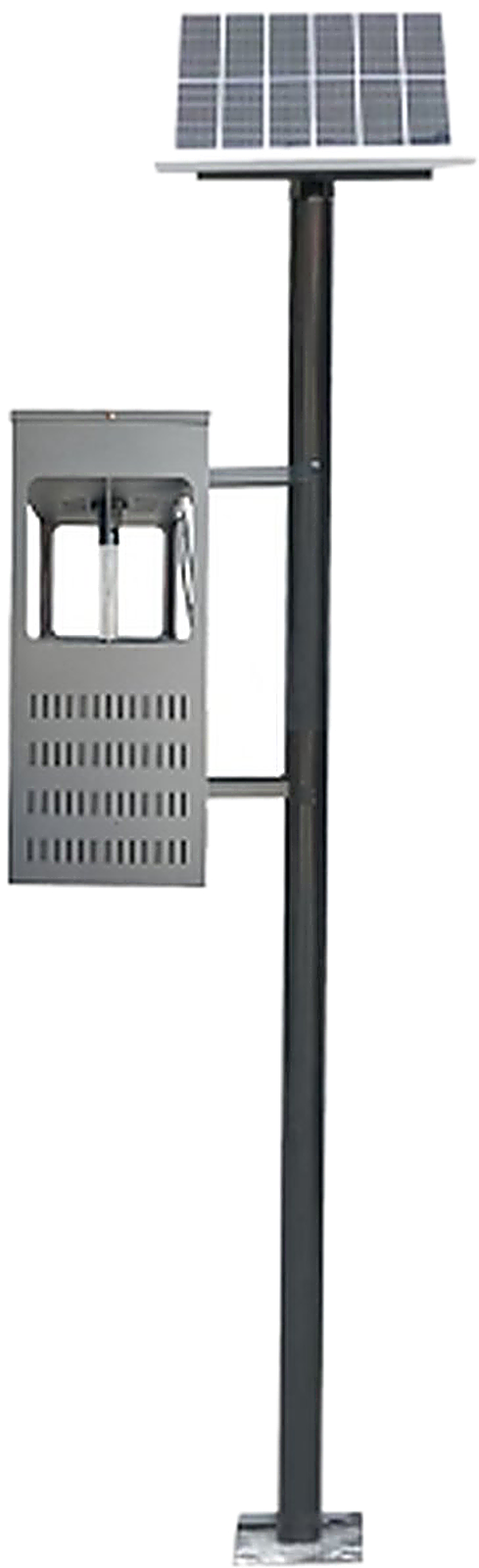
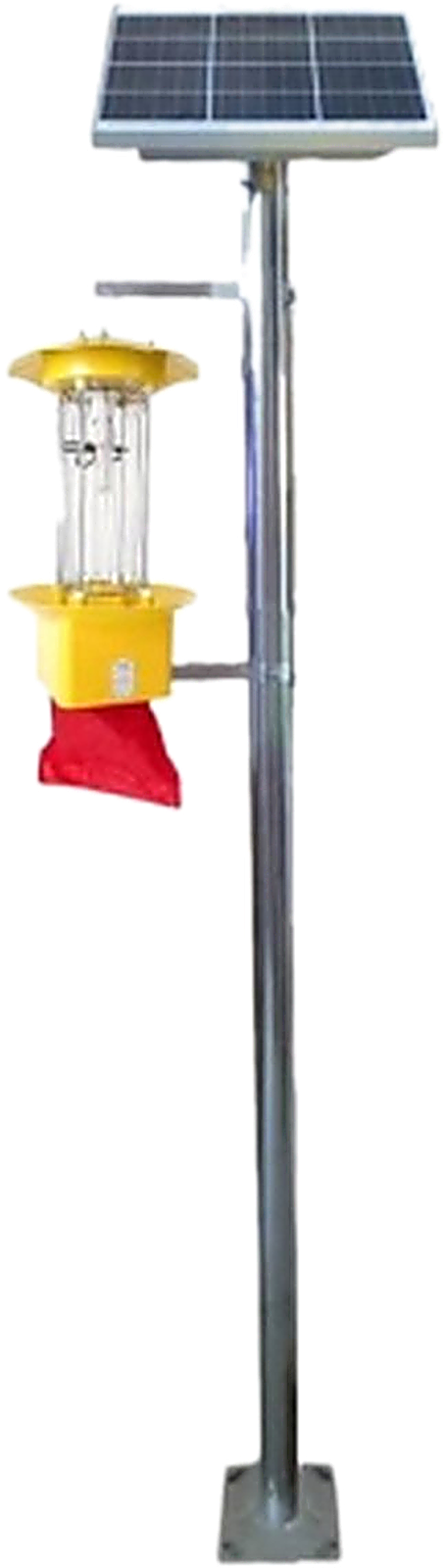
Do solar insect killers replace legume insecticides? No. They are a prevention layer within IPM. They cut adult numbers and spray frequency but should be paired with thresholds and selective products when outbreaks cross action levels.
Will the light harm bees or beneficial insects? The lamp targets nocturnal flying pests. Day-active pollinators are largely unaffected, especially when units are placed at field edges rather than inside flowering rows.
How many units do I need per hectare? Start with one per 1–2 hectares in high-pressure margins, then adjust using your catch-tray scouting data.
Can the lamp handle rain and heat? Yes. The sealed, IP-rated housing is built for field conditions, including dew, dust, and high summer temperatures common in pulse belts.
A solar insect killer is a low-running-cost, chemical-free tool that fits pulse IPM by mass-trapping pod borers, enabling early scouting, and protecting pollinators. Used at field margins with disciplined monitoring, it lowers spray load and supports more resilient agricultural pest control across the season.