
Looking for a solar insect killer buying guide? A solar insect killer banana gives farms reliable, chemical-free pest control around the clock. For broader context, see integrated pest management.
Every banana farm pest program gains from a solar insect killer banana plan that targets the adult flying stage and runs through peak season.
A solar insect killer banana plan works best when devices are spaced by habitat and maintenance is scheduled before peak season, not after pests arrive.
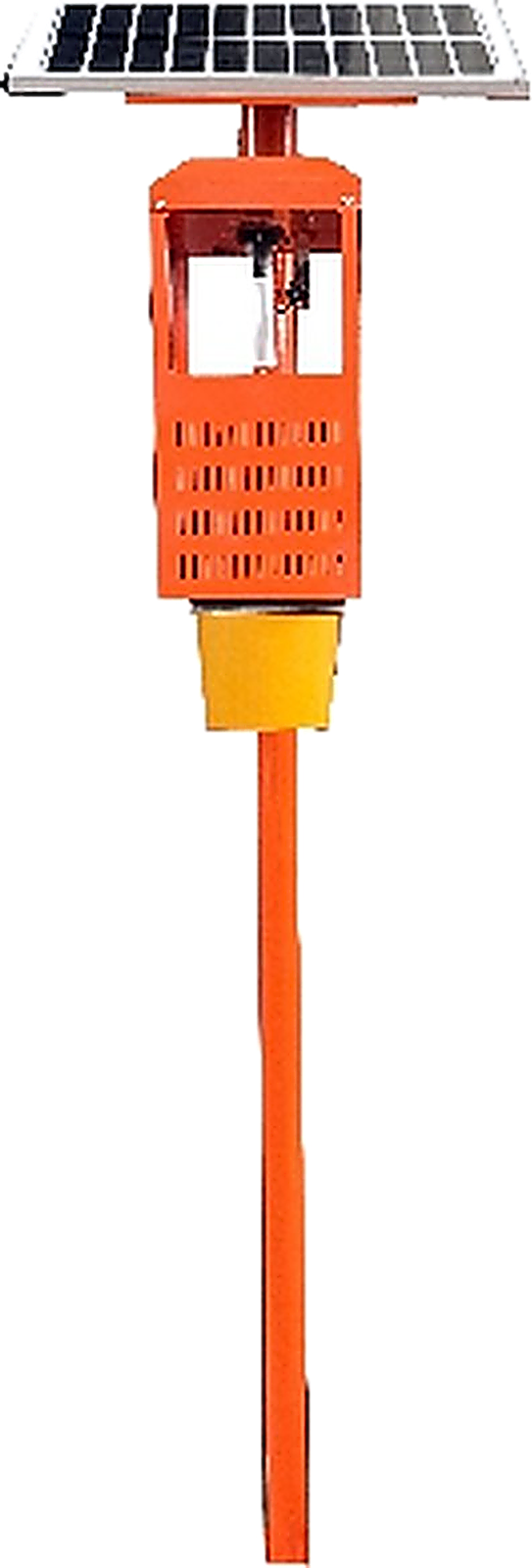
Banana and plantain are among the world’s most important food and export crops, and they are relentlessly attacked by flying insects — banana weevils, borers, thrips and leaf-feeding moths. On tropical farms where power lines rarely reach the fields, a solar insect killer has become a practical pillar of agricultural pest control, cutting chemical sprays while protecting yield and worker safety.
A mature banana plantation is a year-round insect magnet. Flowering and fruiting cycles, dense canopy and warm humidity create ideal breeding conditions. Key threats include:
Traditional control leans heavily on scheduled insecticide sprays, which raise costs, stress workers and can harm beneficial insects. A solar bug zapper shifts the balance toward continuous, targeted trapping.
Banana land is often remote, fragmented and far from reliable grid power. Solar traps charge through the day and operate all night on stored battery — exactly when moths and weevils fly. There is no trenching, no monthly electricity bill, and no fuel for generators.
For farm pest management at plantation scale, that autonomy matters: you can blanket blocks of several hectares without extending infrastructure, and move units as you rotate blocks through the planting cycle. Because the traps need no fuel and no wiring, they also keep working through grid outages that would stall electric sprayers.
Placement decides results. Recommended practice:
Insect pressure is not constant. Peak catch usually follows flowering flushes and the wet season. Log weekly trap counts per block to find the window when adult flight surges, then intensify sanitation and other actions in that window. Over two seasons, the data tells you which blocks need denser coverage and which are naturally lower risk.
A trap alone is not a program. The strongest results come from combining solar trapping with integrated pest management (IPM):
Trap-count trends become an early-warning signal, letting managers act before damage shows on the bunch.
Plantations that add solar trapping typically report fewer Grade-B fruits and lower spray frequency. Less spraying means lower input cost and reduced worker exposure — a direct win for both margin and safety compliance.
Battery life, lamp output and waterproofing should be specified for tropical heat and heavy rainfall. Choose models rated for outdoor, high-humidity duty with corrosion-resistant housings and secure pole brackets that survive strong winds.
Tracking ROI keeps the program funded. Compare two seasons: spray cost per hectare, Grade-A fruit percentage, and labor hours spent on pest work. Most plantations see the trap investment returned through higher premium-grade bunches and fewer spray cycles within the first year.
A simple log works: record units deployed, weekly catch, spray events and grade breakdown per block. After two cycles, the numbers usually make the case to expand coverage rather than cut it.
The approach scales both ways. A smallholder with one or two acres can protect the home block with a handful of units; a corporate estate can deploy hundreds across zones and centralize the trap-count logs. The economics improve with scale because labor for servicing is shared across more protected area.
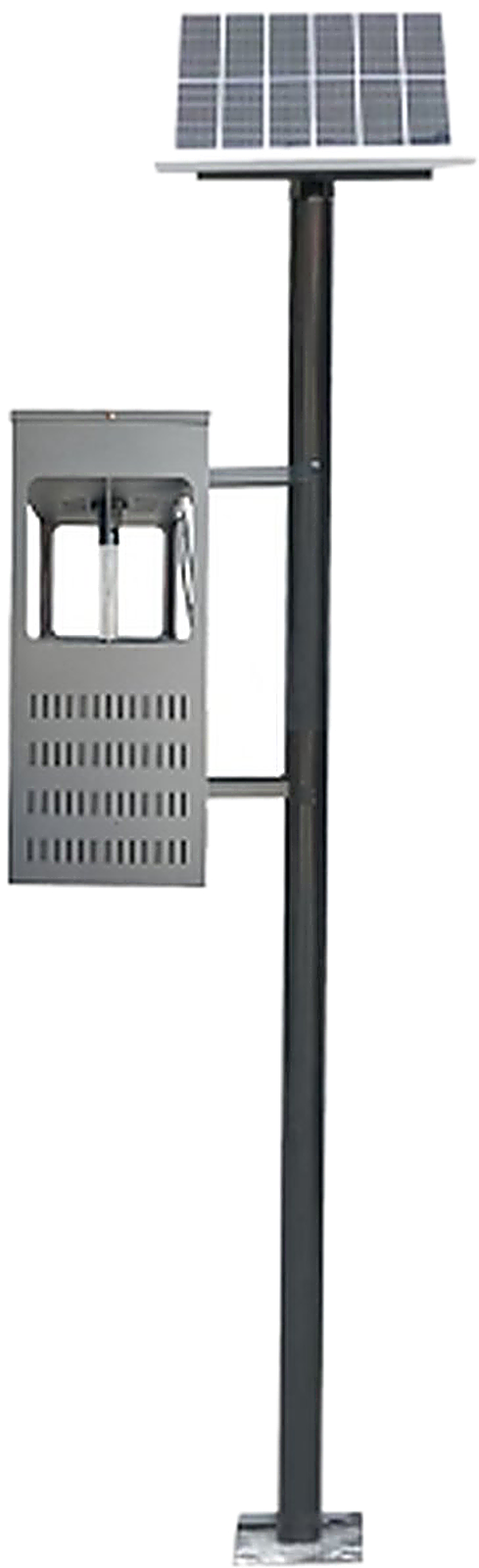
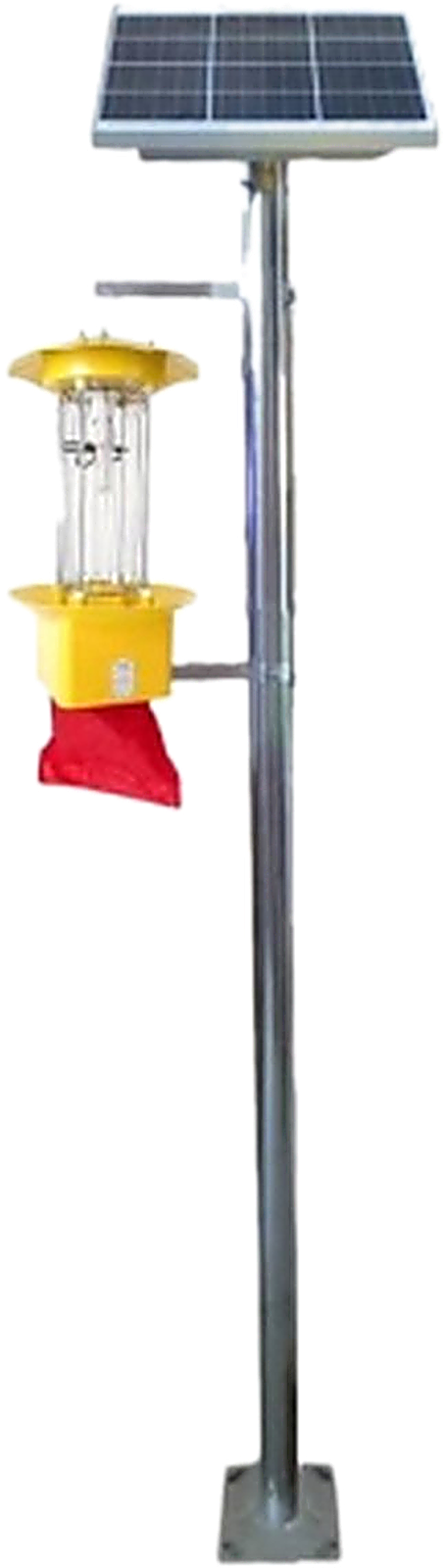
Use this solar insect killer banana guide alongside the references below to build a complete, defensible program.
For deeper technical and regulatory context, see the FAO Integrated Pest Management and the EPA safe pest control.
Q: Can a solar insect killer stop the banana weevil completely? A: No single tool does. It strongly reduces adult flight and catch, but must pair with clean planting material and sanitation for full control.
Q: How many units per hectare of bananas? A: A workable starting density is 4–6 units per hectare in infested blocks, tuned from weekly trap counts.
Q: Do they harm bees or pollinators? A: Properly tuned UV traps mainly attract night-flying pests; positioning away from flowering rows and using shielded lamps limits non-target impact.
Q: What about storms and heavy rain? A: Specify IP65+ enclosures and secure pole mounts; units are designed for outdoor tropical duty but should be checked after major storms.
For banana and plantain growers, a solar insect killer is not a gadget — it is scalable, off-grid agricultural pest control that protects both the bunch and the people who harvest it.