As a solar insect killer distributor, your advantage is not the hardware—it is the pest-control outcome you help growers achieve.
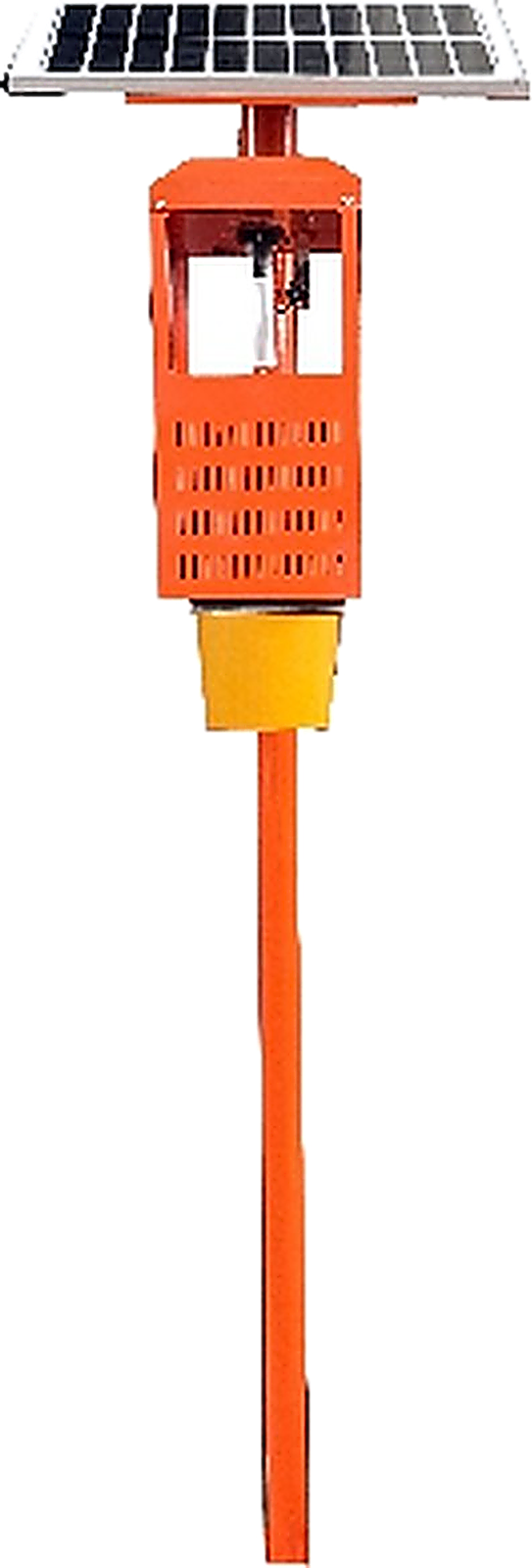
A solar insect killer is an easy product to demonstrate and a hard product to sell on features alone. Growers do not buy a lamp; they buy fewer damaged fruits, lower spray bills, and a quieter night shift. If you distribute or resell solar bug zapper units, your job is to translate the hardware into those outcomes—and to do it in the language of agricultural pest control, not electronics. This playbook walks distributors and resellers through the conversations, materials, and proof points that actually close farm accounts.
Most farms buy on risk and payback, not specifications. A procurement manager at a 200-hectare orchard cares about two numbers: how much pest damage the device prevents, and how fast the unit pays for itself. Your pitch should open there, not with watts and lumens.
A connected solar insect killer or even a basic solar bug zapper becomes compelling once it is framed as farm pest management infrastructure. The grower is not purchasing a gadget; they are purchasing an overnight pest-suppression layer that runs whether or not a technician is on site.
Before any demo, expect these:
The fastest way to lose a grower is a spec-sheet monologue. Instead, build a tiny ROI model:
Distributors who hand over this calculation—customized to the farm’s crop and acreage—report dramatically shorter sales cycles. It turns agricultural pest control from a vague “eco benefit” into a line item with a date.
One message does not fit every customer. Prepare short, crop-tailored one-pagers:
Each sheet should name the pest, the expected reduction, and a real reference farm where possible. Buyers trust a peer example far more than a lab number.
Your sales reps are the product in the grower’s eyes. Train them to:
A distributor who can say “this cuts your spraying by about 40% but you’ll still scout” sounds like a partner, not a vendor.
Compile a lightweight evidence pack:
When a grower asks “does it really work,” you answer with a neighbor’s name, not a slogan. This is the core of consultative agricultural pest control selling.
“It’s too expensive.” Reframe to lifetime cost. A quality solar insect killer runs for years on free sunlight; the comparison is against recurring pesticide purchases and applicator labor.
“We already spray.” Agree—then position the device as the night shift your crew is not working. Spraying and trapping are complementary layers in modern farm pest management.
“What if it breaks?” Lead with warranty, local spare parts, and a service contact. Reliability is a sales feature.
Resellers win larger contracts by bundling:
Bundling shifts the conversation from unit price to program value, and it raises your ticket size while improving the customer outcome.
After the sale, keep the relationship alive:
A distributor who supports farm pest management year-round earns repeat orders and referrals—the cheapest growth channel you have.
For deeper technical and regulatory context, see the FAO Integrated Pest Management and the EPA safe pest control.
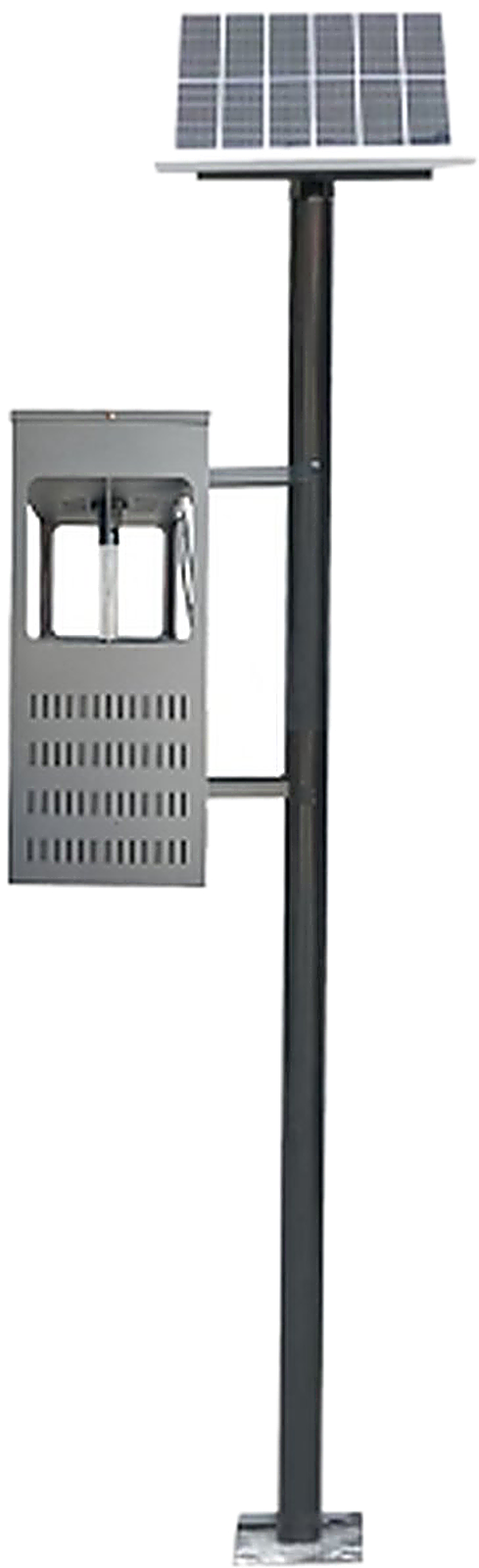
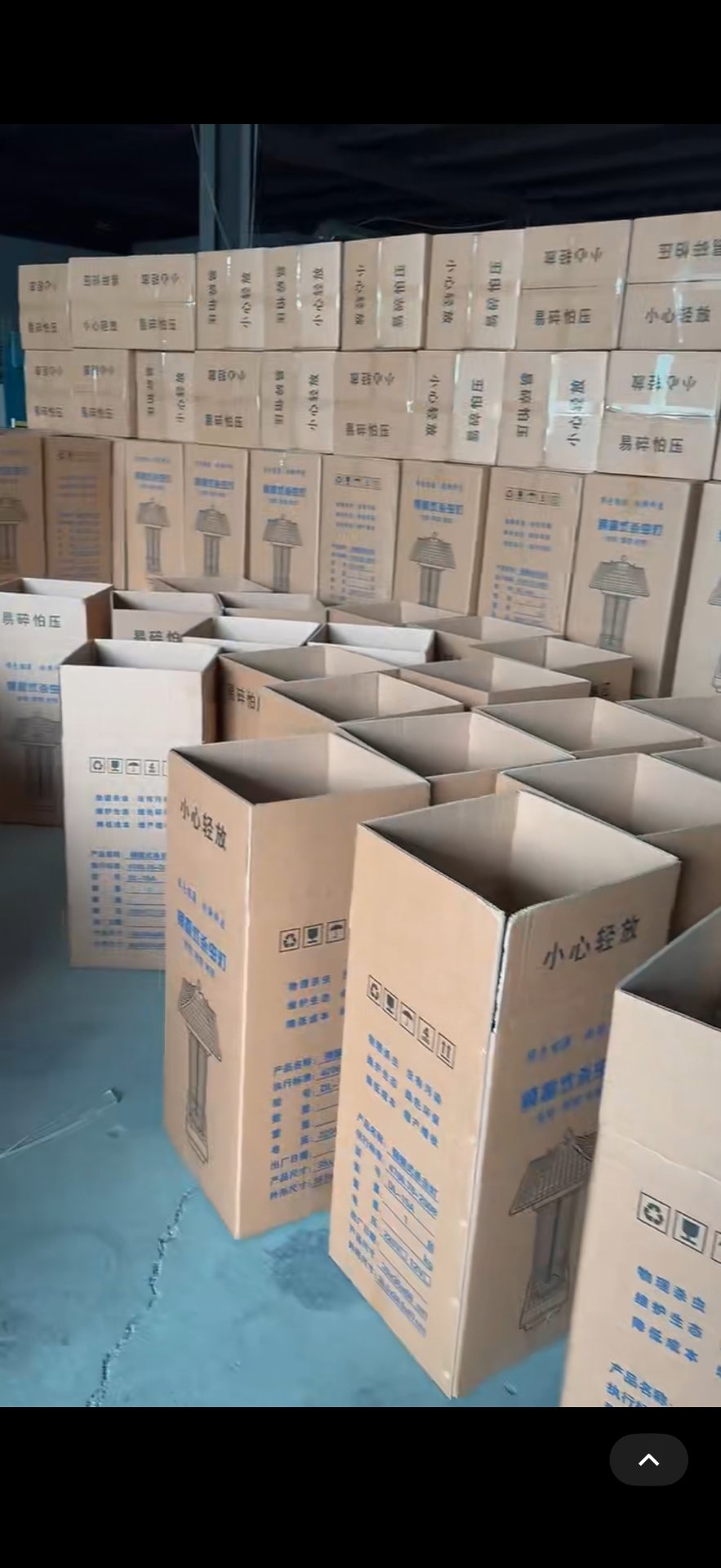
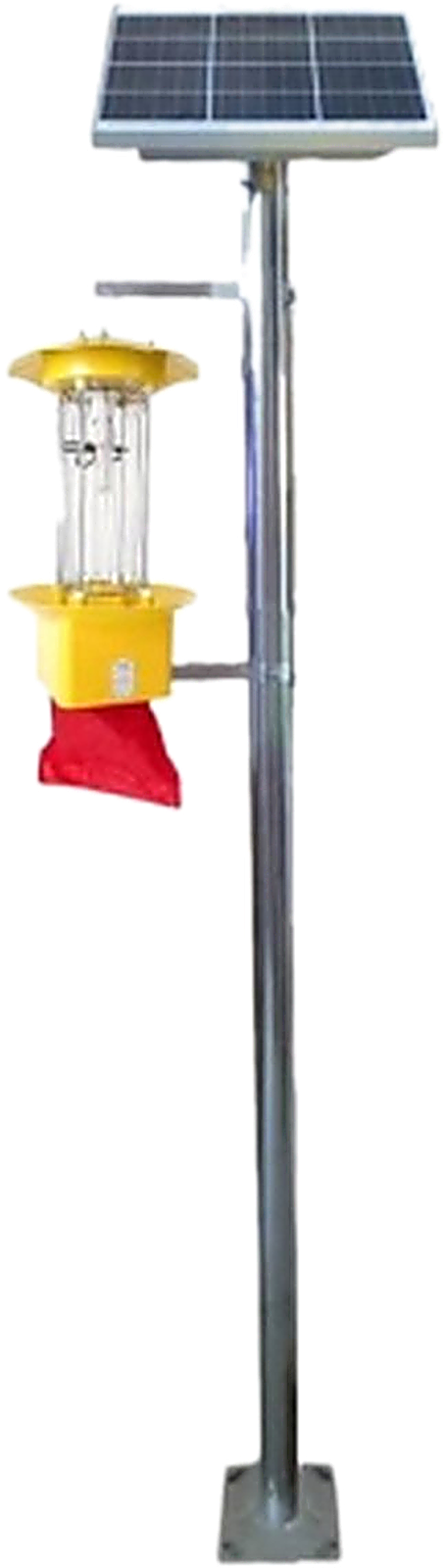
Do solar insect killers replace pesticides completely? No. They are a powerful reduction layer, typically cutting night-flying pest pressure by 30–60%. Most farms keep a lighter, targeted spraying program alongside them.
What is the easiest farm type to start with? Orchards and vineyards respond fastest because the pests are visible and the fruit value is high. Greenhouses and rice paddies follow as you build reference cases.
How do I prove ROI to a skeptical buyer? Build a one-page model using the farm’s own spray spend and a conservative reduction estimate, then validate with a neighbor’s case note.
Should I stock spare parts locally? Yes. Fast spare-part availability is a strong differentiator for distributors and reduces post-sale support load.
Can I private-label or OEM these units? Many manufacturers, including FOSIBO, offer OEM/ODM so distributors can sell under their own brand with local warranty control.
Selling a solar insect killer to farms is less about the lamp and more about the outcome: lower chemical cost, steadier yields, and a credible farm pest management story. Distributors who lead with ROI, crop-specific proof, and honest positioning consistently win larger, stickier accounts. If you are building or expanding a pest-control product line, treat the solar bug zapper as program infrastructure—and sell the quiet nights, not the watts.