
Container loading is the last physical step before a solar insect killer order leaves the factory, yet it decides whether the product arrives ready to install. OEM and ODM buyers often inspect photos of the loaded container before releasing balance payments. A clean, documented container loading process protects the shipment, shortens customs clearance and reduces damage claims.
This guide walks through seven practical steps for suppliers and distributors shipping solar bug zapper units overseas. It covers carton design, pallet patterns, moisture protection, labelling and the records buyers expect. Use it as a checklist for each order, and adjust carton counts to the exact model and destination rules.
A unit packed loosely inside a carton will rub against its panel and collection chamber during a long sea leg. Compression from badly stacked cartons can bend frames and crack plastic parts. Good container loading turns a fragile assembly into a stable block that moves as one.
Distributors building an agricultural pest control range want proof that goods were packed to spec. Photos of empty container, carton marks, pallet wrap and door seal are now standard documents. A careful packing record closes the loop before the vessel sails.
Before any carton moves, match model codes, quantities and accessory bags to the signed packing list. Check that each solar insect killer carton contains the mounting bracket, fasteners and manual specified for that SKU. Any mismatch found at the dock costs far more to fix than one found in the warehouse.
Cartons should fit the packed unit with enough cushioning to stop movement but no wasted space that invites crushing. Reinforce corners for stacked pallets and keep the carton weight within local handling limits. For OEM orders with custom artwork, confirm the print is dry before container loading begins.
Place formed foam around the solar panel and secure the chamber lid so it cannot open in transit. Do not rely on tape alone for heavy components. A solar bug zapper with a scratched panel still works, but a bent frame can stop the fan and undermine farm pest management at the customer site.
Sea freight crosses humid and cold zones in one voyage. Use desiccant sachets in each carton where required and wrap pallets to limit dust. For long routes, add a humidity indicator card inside the master carton so the receiving team can check conditions at unpacking.
Stack cartons in an interlocked pattern on clean pallets, keeping the load square and within the container’s internal width. Strap or wrap each pallet before it enters the container. Good container loading keeps the centre of gravity low and prevents the stack from shifting when the truck brakes.
Load heavy pallets first and place them against the container wall, then fill the remaining space with lighter cartons. Leave a small gap near the doors for air circulation and easy count verification. Photograph each stage: empty container, first row, completed stack and closed door.
Record the container number, seal number and loading date on the packing list. Attach shipping marks to both pallets and cartons so the buyer can identify SKUs at the destination port. Send the photo set and seal number to the customer on the same day as container loading.
When a container carries several models, group cartons by SKU and mark each group clearly. Place the fastest-moving items near the door for easier unloading. A mixed container loading plan should be agreed with the buyer before the truck is booked.
For a pilot order of a few cartons, less-than-container load may be cheaper. Still apply the same carton and documentation rules, because a small shipment that arrives damaged kills repeat business just as fast as a large one.
Custom inserts and retail sleeves must be checked before packing. Keep a signed sample in the factory file and compare the production carton against it during final packing. This habit prevents costly relabelling at the destination.

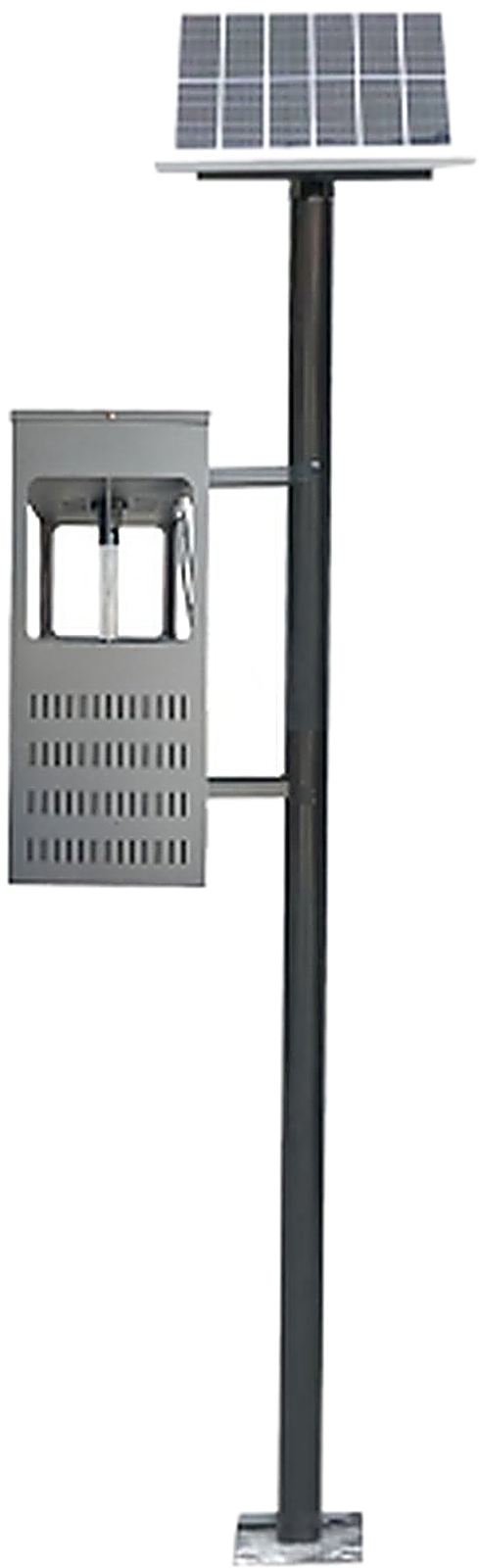
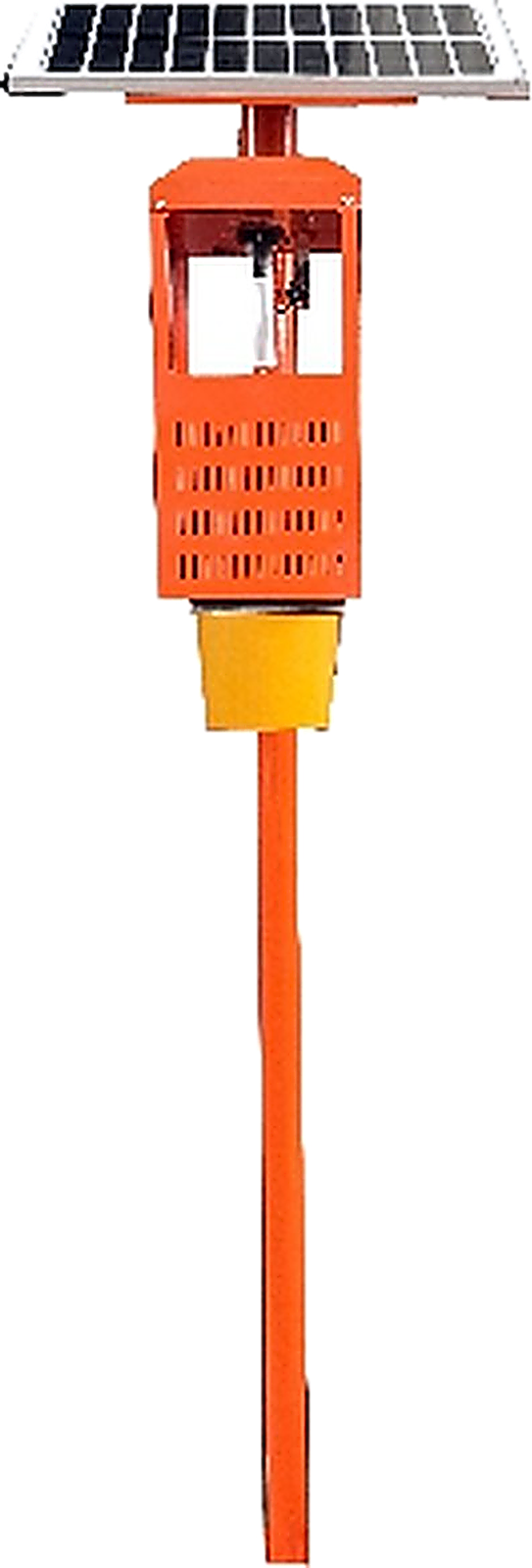
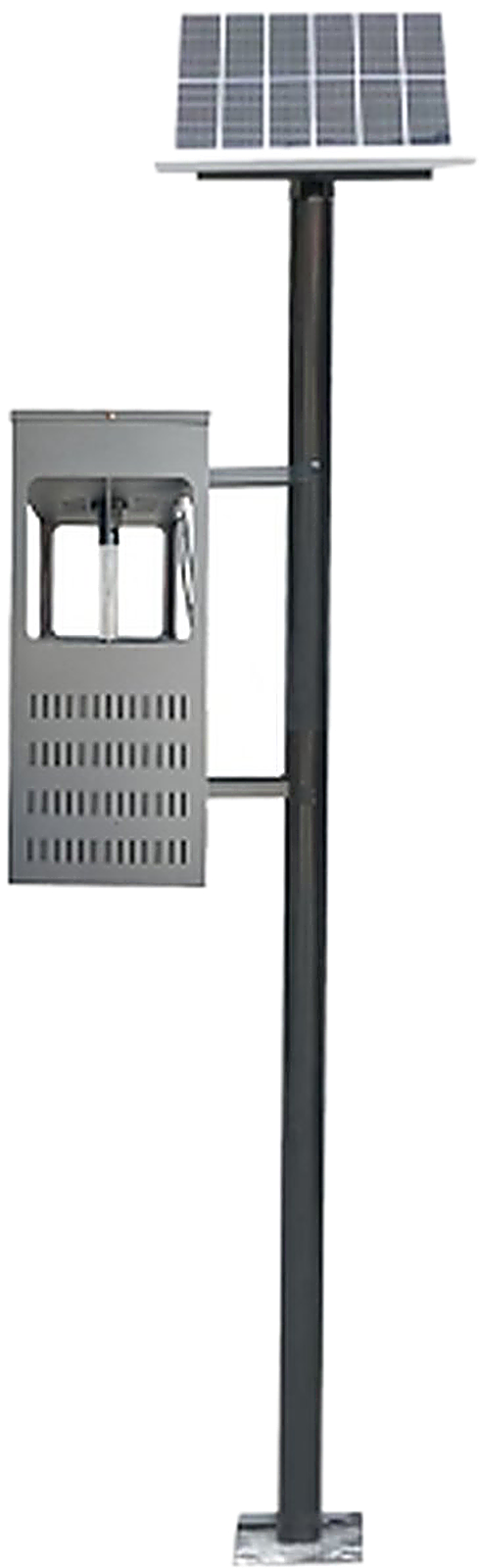
Use this guide alongside the references below to build a complete, defensible programme.
For deeper technical and regulatory context, see the FAO Integrated Pest Management and the EPA safe pest control.
How many photos should we send after loading? At least four: empty container, first row, completed stack and sealed door. Add close-ups of carton marks for mixed SKU orders.
Should solar units be shipped with batteries installed? Follow the destination country’s rules for lithium batteries. Many routes require batteries to be packed and declared separately.
What causes most transit damage? Loose packing, weak cartons and unstable pallet stacks. A disciplined container loading sequence removes all three.
Can we load during rain? Avoid it. Wet cartons lose strength and moisture can reach connectors. Wait for a dry window or load under cover.
Who should sign off the final check? A named factory QA person and, where possible, the buyer’s inspector. Both signatures should reference the same seal number.