
Growers choosing physical pest control often face a simple question: solar insect killer or baited traps? Both target flying insects, but they work in very different ways. Baited traps use food lures, carbon dioxide, or synthetic pheromones to draw specific pests into a sticky board or drowning cup. A solar insect killer uses UV light and a wind-suction fan to pull a broad range of flying insects into a collection chamber — with no chemicals or perishable lures. This comparison breaks down seven key differences to help you build smarter farm pest management.
Choosing well protects beneficial insects and keeps input costs predictable across the season.
The honest answer is that neither wins outright. A solar bug zapper excels at broad, continuous, off-grid suppression, while baited traps excel at species-specific monitoring and mating disruption. The best programs use both: light trapping for mass capture, these traps for precise scouting and targeted species.
A solar insect killer attracts by spectrum — tuned UV LEDs mimic the light that draws moths, beetles, and flies. Scent traps attract by smell — fermenting food, CO2 for mosquitoes, or species-specific pheromones. Light attraction catches a wider mix; scent attraction catches a narrower, often single target.
The solar insect killer captures many flying pests at once: moths, leafhoppers, planthoppers, flea beetles, and whitefly among them. Baited traps catch mainly the species encoded in the lure. For general agricultural pest control across mixed crops, the broader spectrum of a solar insect killer is a clear advantage.
A solar insect killer has no recurring lure cost — once installed, the sun powers it. By contrast, baited traps need regular lure replacement, sticky-board swaps, or attractant refills, which add labor and consumable expense across a season. For large blocks, the solar insect killer is usually cheaper to run.
Because the solar insect killer carries its own panel and battery, it runs in remote fields without power. Such traps are passive and need no power either, but they provide no active capture at night beyond the lure’s draw. Both suit off-grid farms; only the solar insect killer works continuously through outages.
Scent traps can be highly selective when using a single-species pheromone, protecting beneficial insects. A broad-spectrum solar bug zapper catches more non-targets, though wind-suction designs are far gentler than grid zappers. Smart placement above the canopy reduces beneficial bycatch for both methods.
These traps shine at population monitoring — a pheromone trap tells you exactly when a species peaks. A solar insect killer collects a mixed catch that is harder to count by species. Most growers keep a few baited traps purely as an early-warning network alongside their solar devices.
Neither method uses sprayed chemistry, so both are residue-free and safe near harvest. The solar insect killer adds physical safety by avoiding drowning cups and sticky boards that can harm small animals. For chemical-free, child- and pollinator-safe blocks, both approaches fit a clean IPM plan.
Use a solar insect killer as your day-and-night workhorse for broad flying-pest suppression across fields and greenhouses. Use these traps for precise monitoring, mating disruption of a single key species, or confirming that a pest pressure has dropped. Together they cover the gaps neither fills alone.
For related comparisons, see our guides on pheromone traps and sticky yellow traps.
A solar insect killer is a one-time capital cost with no recurring lure budget, while these traps carry steady refill expense for lures, boards, and attractants. On a ten-hectare block, the lure replacements alone can exceed the price of a single solar unit within two seasons. For growers watching margin, the math favors light trapping as the primary tool and scented traps as a supporting scout. Factor in labor too: checking a solar collection chamber takes seconds, whereas baited traps demand regular card swaps and lure changes across the field.


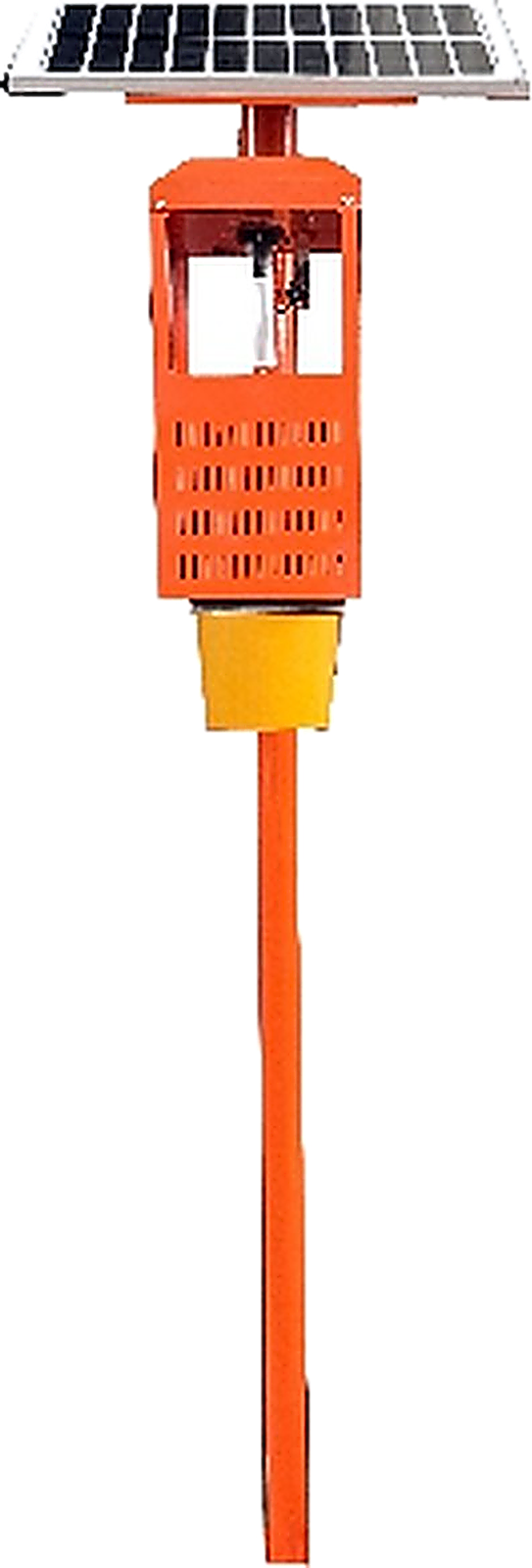
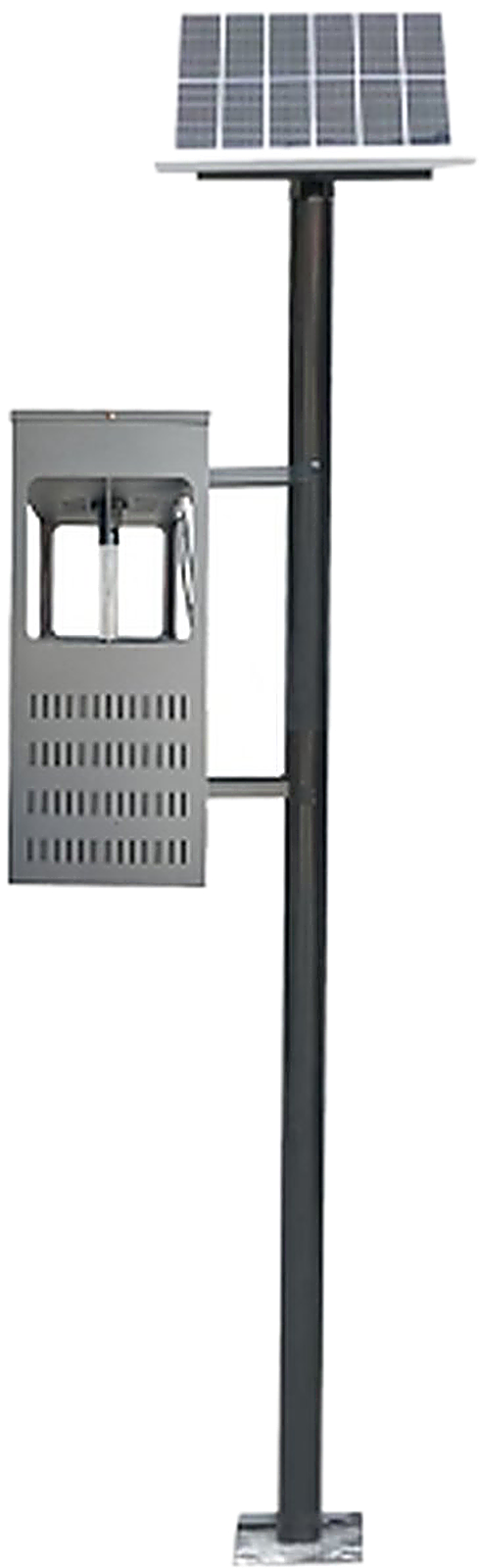
Use this guide alongside the references below to build a complete, defensible programme.
For deeper technical and regulatory context, see the FAO Integrated Pest Management and the EPA safe pest control.
Not better, just different. Such traps are best for single-species monitoring; the solar insect killer is best for broad, continuous capture without lure costs.
Yes, and you should. Run the solar insect killer for mass capture and keep a few of these traps as a species-specific early-warning network. The light trap handles the daily workload; the scented trap tells you exactly which species is active so you can act before damage shows.
Usually yes, because lures, sticky boards, and refills are recurring consumables, while a solar insect killer runs on sunlight after purchase.
Both are chemical-free and safe near harvest. Use species-specific traps and place solar devices above the canopy to protect beneficial insects.