
Greece is a Mediterranean powerhouse of olives, wine grapes, citrus, and protected-culture vegetables. Its long, hot, dry summers and mild winters create ideal conditions for both high-value crops and persistent flying pests. At the same time, strict EU maximum residue limits push Greek exporters toward residue-free production. This Greece case study shows how a solar insect killer helped three representative farms lower spray dependence while protecting yield and meeting export standards.
Greek agriculture leans heavily on sunlight, and that same sunlight is what powers an off-grid trap. Across the regions profiled below, growers paired the device with simple monitoring cards and cultural tactics rather than replacing their existing program. The result was steadier pest pressure and a cleaner residue story for European buyers.
Greek growers face olive fruit fly, vine leafhoppers, thrips, whitefly in greenhouses, and moths across citrus and pome blocks. Many of these pests are strongly attracted to UV light, which makes physical trapping a natural fit. Because EU buyers audit residue certificates closely, a solar bug zapper that needs no chemistry is a strategic asset for Greece’s export-oriented agriculture.
A 40-hectare olive estate in the Peloponnese struggled with olive fruit fly flare-ups before harvest. The manager deployed solar insect killer units at canopy height along terrace edges and monitored with yellow sticky cards. Within one season, adult fly counts near the devices dropped sharply, and the grove cut its pre-harvest spray passes by roughly a third. The Greece team reported cleaner fruit and easier residue compliance for bottled export oil.
The estate spaced units at about two per hectare and ran them from spring through harvest. Because the Peloponnese grid is prone to summer dips, the off-grid battery kept protection online through the peak flight window.
A table-grape and wine vineyard near Thessaly battled leafhoppers and moths that scarred bunches. By integrating a solar insect killer into its existing farm pest management plan, the vineyard reduced nocturnal moth captures and protected beneficial insects such as spiders and parasitic wasps. The result was steadier cane growth and fewer cosmetic defects at packout, supporting premium pricing for the Greece cellar.
Placement followed the canopy line, with units lifted as the vines grew. The Greek grower noted that fewer spray rotations also meant less tractor traffic and lower fuel cost across the season.
A protected-culture vegetable operation on Crete fought whitefly and thrips in tomato and cucumber houses. Because the panels recharge under the strong island sun, the solar insect killer ran continuously through power fluctuations. The Crete site paired trapping with reflective mulch and beneficial insects, stabilizing populations and trimming biological-control release costs across the Greece greenhouse network.
High tunnel humidity can favor whitefly, so the team ran units through the warmest part of the day and combined them with scouting at the door ends where pests enter.
Greece’s abundant sunshine is exactly what a solar panel needs. The devices charged fully even during the dry summer outages that hit rural grids, keeping protection online when pests peaked. For remote Greece island and mountain blocks, off-grid operation removed the need for trenching power lines.
With EU MRL enforcement tightening, the Greece farms used the physical trap as a primary suppression tool and reserved chemistry only for threshold breaches. This minimized residue risk on olives, grapes, and vegetables bound for northern European shelves.
Each Greece site reported fewer scout hours and spray runs after deployment. The combination of trapping, monitoring cards, and targeted action turned pest control from a calendar of fixed sprays into a responsive, data-informed program.
Greek growers get the best results by starting at field edges and hotspots, verifying with sticky cards, and integrating with cultural and biological tactics. Space units to match crop height, lift them as canopies rise, and lean on the strong local sun to keep batteries topped up. A solar insect killer works best as the backbone of a broader IPM plan, not as a lone silver bullet.
Start small with a monitored pilot block, prove the catch and residue benefits, then scale across the farm. Greek exporters in particular benefit from the residue-free story when negotiating with EU buyers.
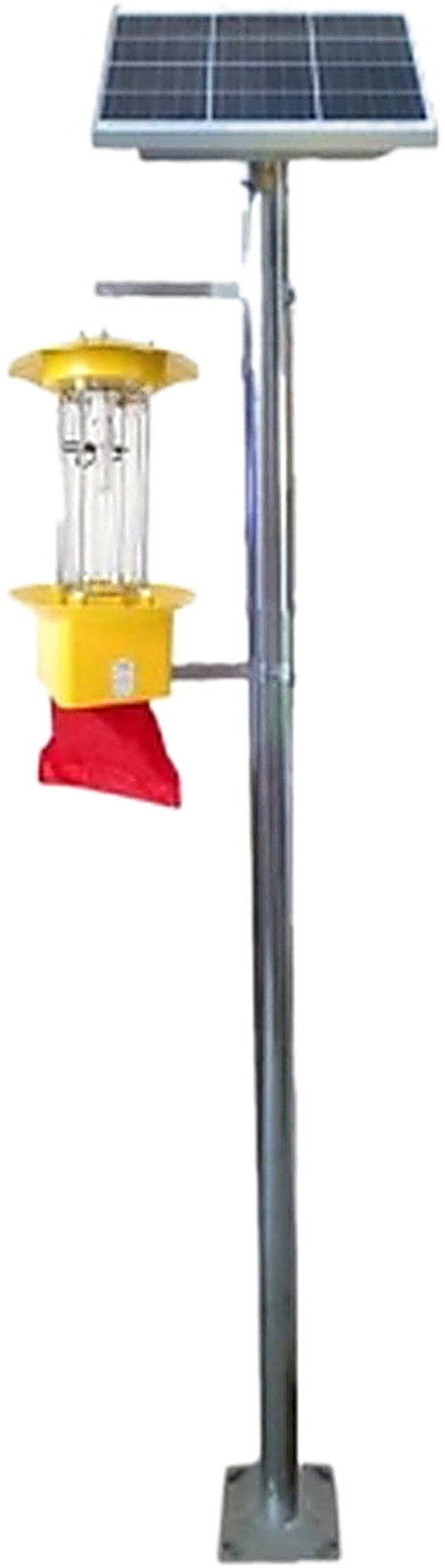

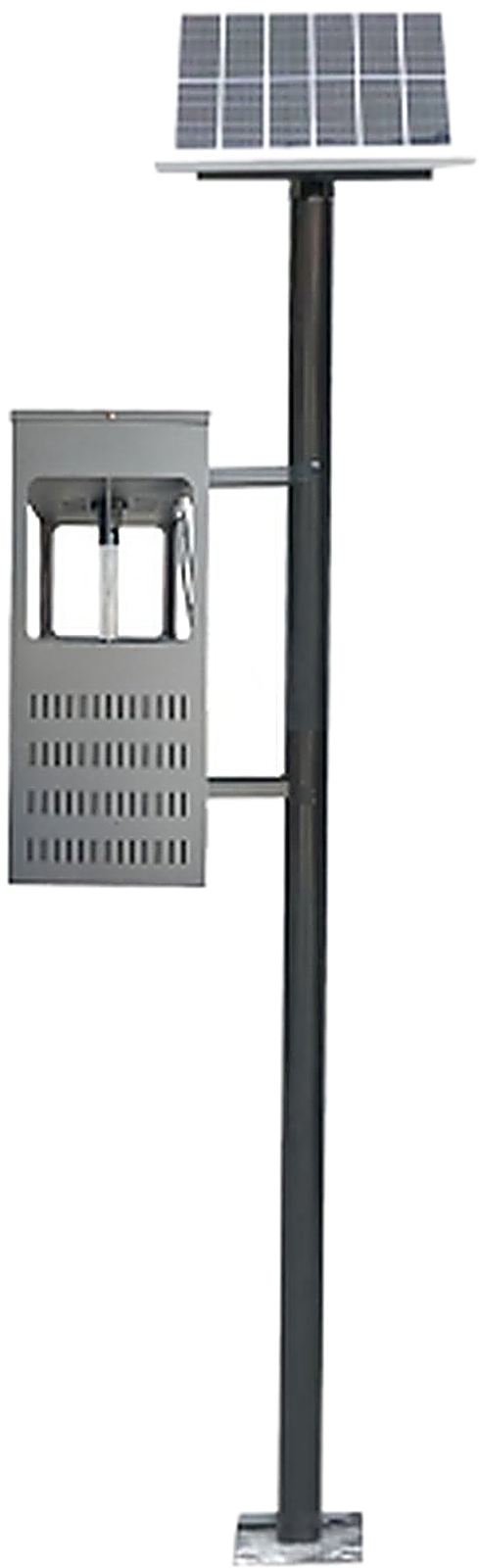
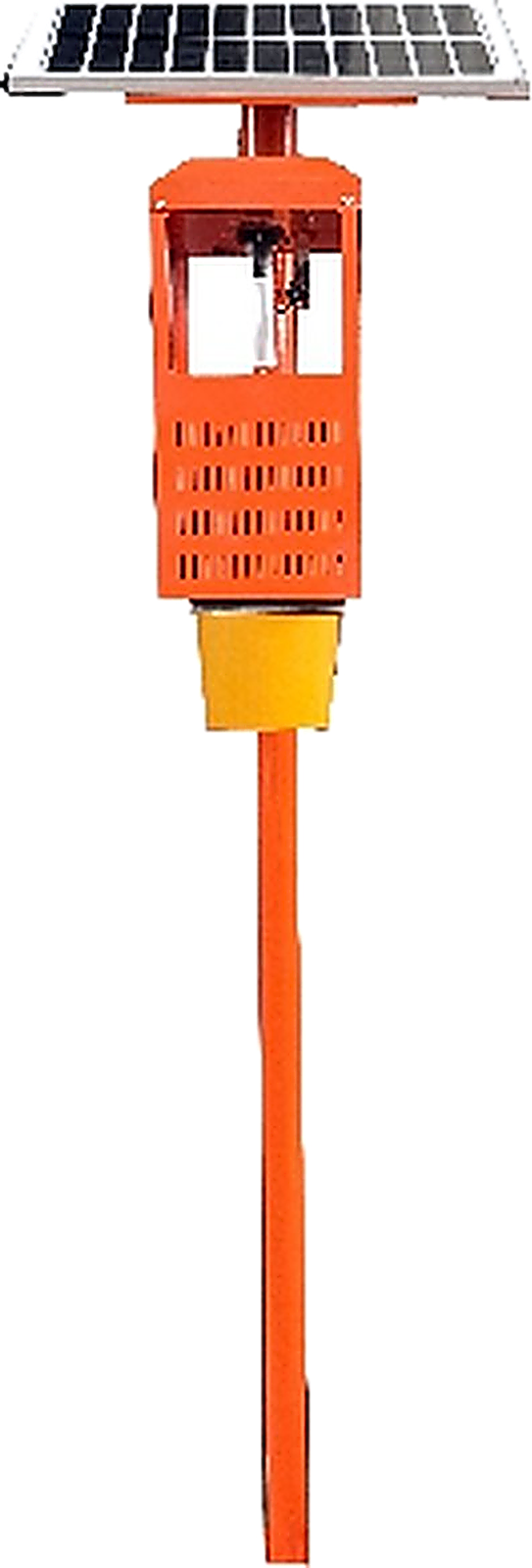
Use this guide alongside the references below to build a complete, defensible programme.
For deeper technical and regulatory context, see the FAO Integrated Pest Management and the EPA safe pest control.
Olives, vineyards, citrus, and greenhouse vegetables see the fastest wins because their key pests are UV-attracted flying insects common across Greece.
Yes. Off-grid solar power and battery storage keep units running through rural outages and on islands where grid connections are weak.
Indirectly, yes. By reducing spray dependence, the Greece farms lowered residue risk and simplified MRL documentation for export certificates.
Absolutely. A few units protect a small olive or vegetable plot, and the chemical-free approach suits agritourism and direct-to-market sales common in Greece.