
A container of traps is easy to sell once buyers see numbers from their own region. This Brazil Cerrado case study walks through what soybean, citrus, coffee and cotton operations actually recorded after one full season of running solar insect killers, and where the traps paid back fastest.
The Brazil Cerrado is one of the most productive agricultural frontiers on earth, but its hot, seasonal climate makes pest control a constant job. Soybeans, corn, cotton, citrus, and coffee all grow across this savanna, often in very large, mechanised blocks. For managers handling agricultural pest control here, the scale alone changes the math: a tool has to work unattended across hundreds of hectares.
A solar insect killer fits that reality. With no grid power needed, it runs through the rainy season and the dry season alike, giving farms here a continuous, low-labour layer of pest suppression that complements spraying rather than replacing it.
Soybean fields across the Cerrado face caterpillars, beetles, and stink bugs whose adults are largely nocturnal. Traditional agricultural pest control leans on aerial or ground spraying at threshold, but adults keep reinfesting from field margins and neighbouring crops.
On Brazil Cerrado soybean operations, a solar bug zapper is most useful at field edges, near irrigation headers, and along tree lines where adults gather. Spacing of 40 to 60 metres keeps a steady knockdown without blocking machinery lanes.
The catch tray becomes a scouting aid. A sudden rise in moth or beetle counts in a block is an early signal to scout, not to spray blindly. This turns farm pest management into a data-driven routine instead of a calendar habit.
Citrus is a high-value Cerrado crop, and fruit-piercing moths cause direct scarring that downgrades fruit. Adult moths fly after dusk and are strongly attracted to light.
Citrus destined for export cannot afford residue surprises. A solar insect killer reduces adult pressure on the outer canopy, supporting agricultural pest control that relies less on emergency sprays and more on prevention.
Some groves pair light traps with pheromone mating disruption. The two tools attack different stages: disruption stops mating, while the trap removes adults already on the wing. On Brazil Cerrado citrus, this combination is becoming standard farm pest management.
Cerrado coffee grows on gently rolling plateaus with cool nights. The coffee borer beetle and leaf-mining moths both have night-active adults that respond to light.
A solar bug zapper placed at the edge of a coffee lot pulls dispersing adults away from the canopy. Beans stay cleaner, and the recorded trap logs help satisfy buyer questions about pest control practices.
Because the wind-suction trap uses no high-voltage grid, it is safe near picker paths and processing areas common across these farms, an important point for any farm pest management plan.
Large Cerrado farms track input cost per hectare carefully. The appeal of a solar insect killer is not that it eliminates pesticides but that it reduces spray frequency, lowers labour hours, and supplies audit-ready catch data.
Most operations here report that fewer emergency sprays and better threshold decisions cover the trap cost within one to two seasons. The exact payback depends on crop value, pest pressure, and how disciplined the monitoring is.
Cotton is the third Cerrado pillar, and its boll weevils and bollworms fly at night. A solar insect killer at the edge of a Brazil Cerrado cotton block pulls adults before they reach squaring plants. Because cotton tolerates fewer boll lesions than soybeans, the trap’s early knockdown protects grade and price.
Cotton here increasingly uses beneficial releases. The light trap’s targeted adult catch avoids the broad contact that harms those allies, keeping agricultural pest control balanced and lowering spray-driven flare-ups.
The Cerrado case shows a repeatable pattern: place traps at margins, count catches weekly, and let the data drive action. This disciplined loop is the heart of modern farm pest management and travels well to other warm, large-scale production regions.
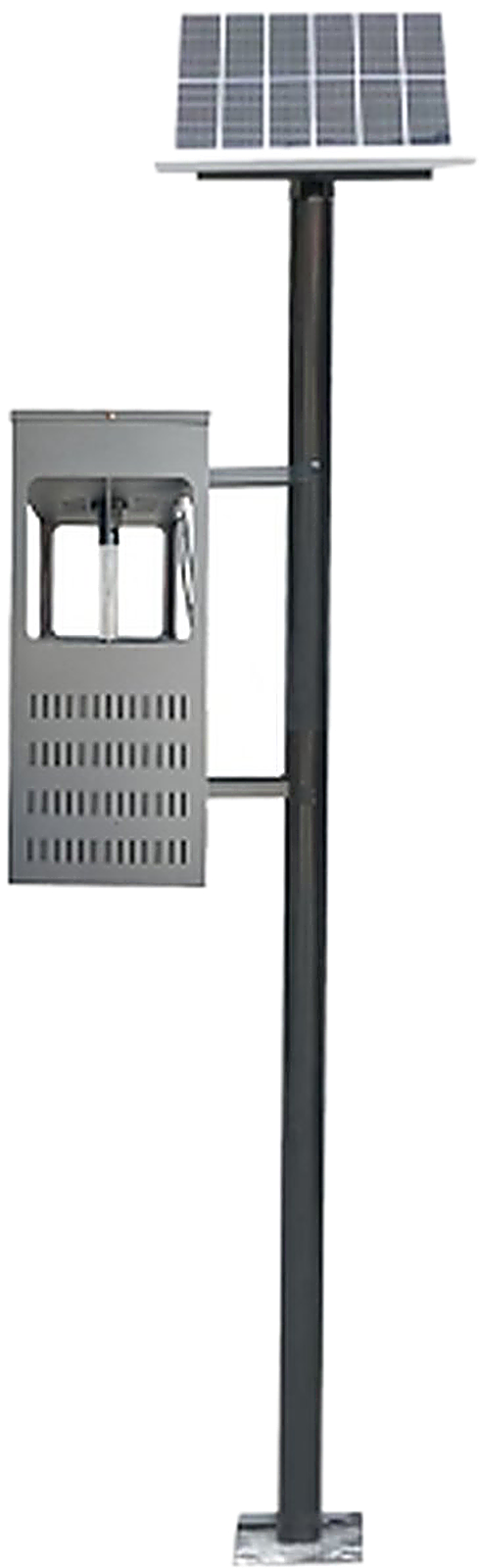
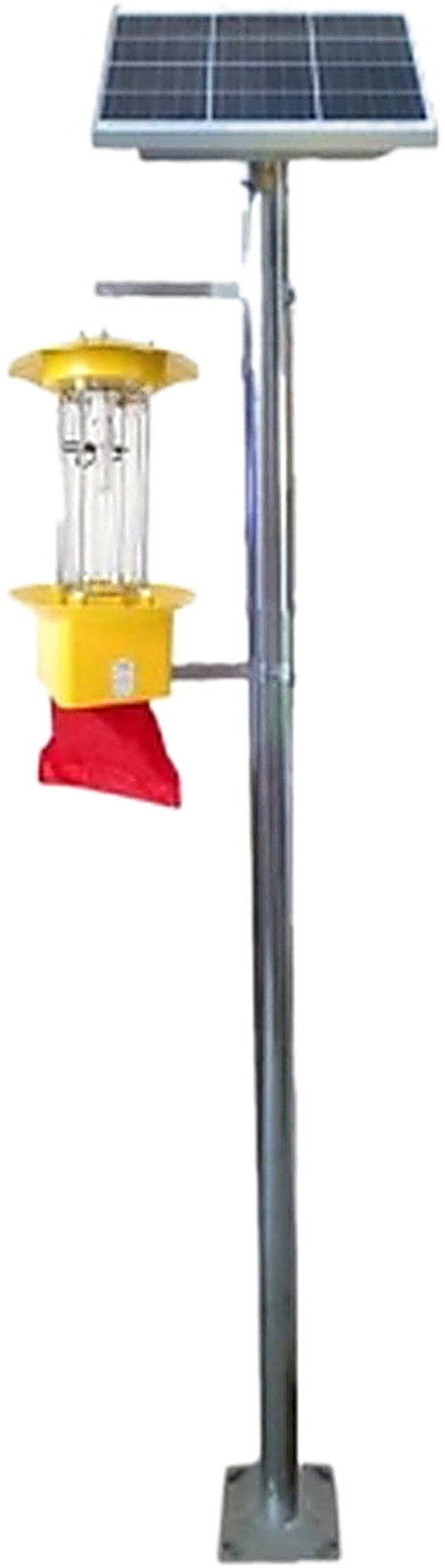


Use this guide alongside the references below to build a complete, defensible programme.
For deeper technical and regulatory context, see the FAO Integrated Pest Management and the EPA safe pest control.
They target the night-flying adult stage of moths, beetles, and related pests. Used with threshold-based spraying, they reduce reinfestation pressure across soybean blocks.
No. It is one layer of agricultural pest control. Severe outbreaks still need labelled products, but traps cut frequency and residue risk.
For broadacre crops, plan roughly one solar insect killer per 0.4 to 0.7 hectare at margins and infestations hotspots, then tune using catch counts.
Yes. Solar power removes the need for grid connection, making them practical even on remote plots far from farm infrastructure.
Yes. Weekly catch logs from a solar bug zapper network document your farm pest management effort, useful evidence for residue-conscious buyers.