
Planthoppers and leafhoppers are tiny, fast-breeding insects that pierce plant tissue and suck phloem. Worse, they spread virus and phytoplasma diseases—rice tungro, citrus greening, grapevine flavescence dorée. A solar insect killer targets the winged adults exactly when they swarm toward light at dusk, before they can inject pathogens into your crop.
Both groups hatch from eggs laid in leaf sheaths or stems, pass through nymph stages, then become winged adults that disperse at night. The adult stage is the only one that flies, and it is strongly phototactic. A planthopper leafhopper adult homes in on the UV-rich glow of a solar bug zapper, so trapping the adult breaks the cycle before the next generation forms.
The UV-rich lamp of a solar bug zapper draws both sexes from neighbouring plots, and the wind-suction fan pulls them into a collection tray. Because the trap runs every night on stored solar power, it keeps pressure on the population continuously rather than in one-off spray windows. A planthopper leafhopper caught tonight never lays eggs tomorrow.
In paddy systems, brown planthopper (Nilaparvata lugens) and white-backed planthopper build explosive populations. Light trapping at field edges is a classic agricultural pest control tactic in Asia; pairing it with a solar insect killer modernises the method—no kerosene, no cables. Planthoppers that would have flown in at midnight are caught before egg-laying, slowing the dreaded hopperburn that bakes paddies brown.
Grape leafhopper and glassy-winged sharpshooter spread Pierce’s disease and red-leaf disorder. In vineyards, a solar insect killer mounted on the end posts of rows cuts adult numbers and reduces the insecticide load on fruit. This is a core part of farm pest management for export-grade table grapes where residue limits are strict.
Asian citrus psyllid—a leafhopper relative—is the vector of huanglongbing, the most damaging disease in citrus. While no trap alone stops greening, cutting adult psyllid flights with a solar bug zapper along windward hedges lowers inoculum pressure and supports a lower-spray programme.
Young transplants in vegetable nurseries are easy targets for leafhopper flares that scar leaves and spread viruses. A single unit over a seedling bed protects thousands of plants at their most vulnerable stage, which is far cheaper than replanting after an outbreak.
Planthoppers and leafhoppers do not fly all night. Most dispersal happens in the first two to three hours after sunset, when it is still warm and winds are calm. A solar insect killer that switches on at dusk therefore catches the bulk of the nightly movement; leaving it on past midnight wastes battery for little gain, so a timer aligned to local sunset gives the best result.
The tray is a free scouting tool. A sudden jump in planthopper leafhopper numbers warns of an approaching generation, letting a grower act early with resistant varieties or a targeted spray only where needed. Over a season, the counts build a picture of pest pressure that sharpens the whole farm pest management plan.
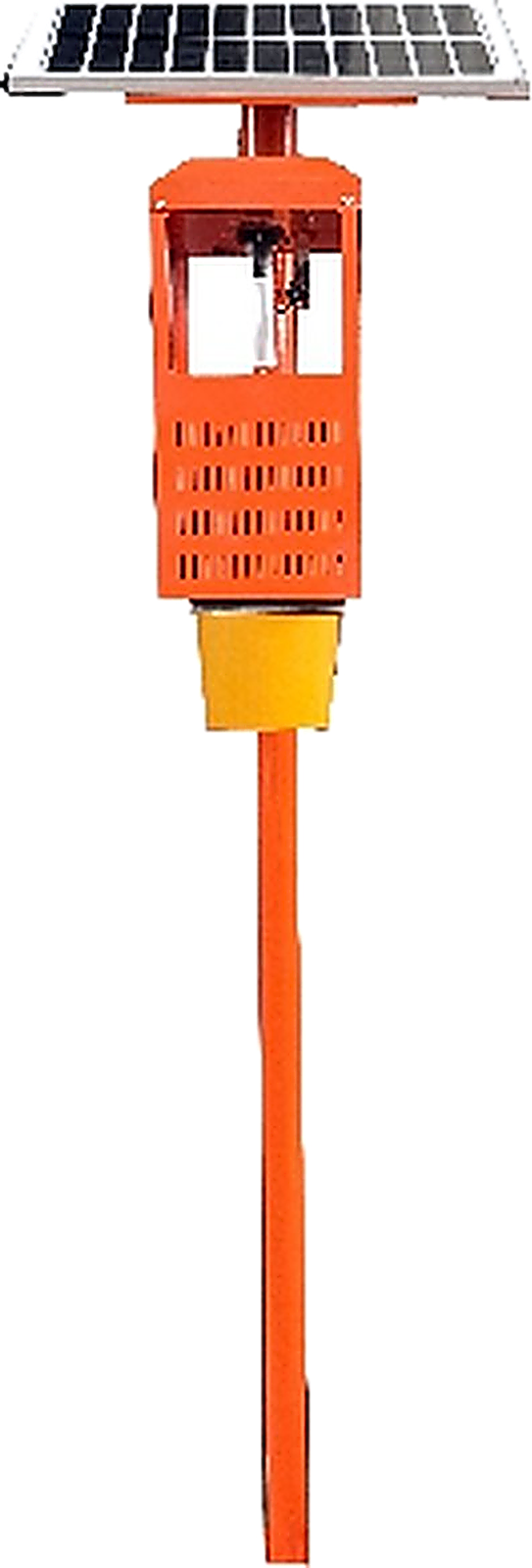
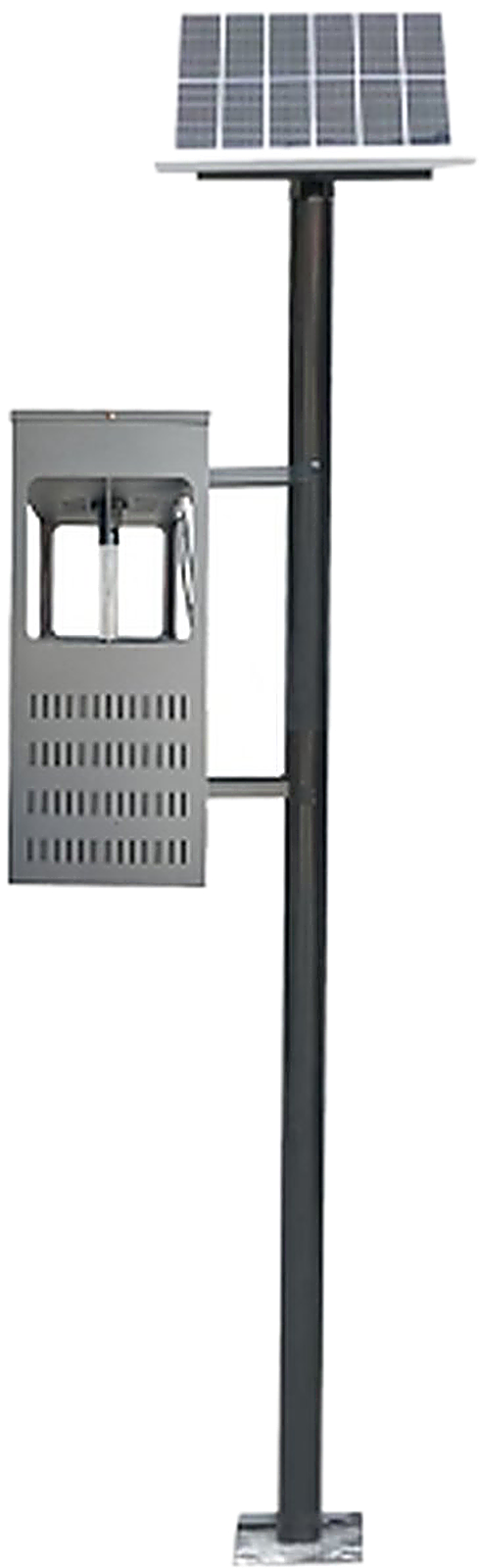
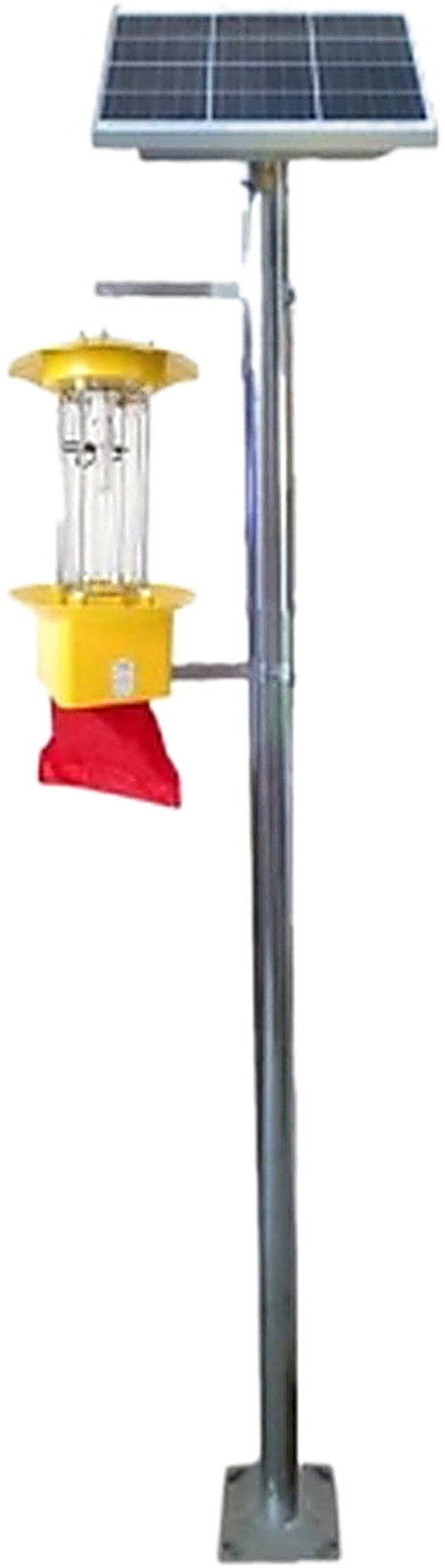

Use this guide alongside the references below to build a complete, defensible programme.
For deeper technical and regulatory context, see the FAO Integrated Pest Management and the EPA safe pest control.
Will a solar insect killer catch beneficial bees? Bees are day-active and resting at night, so night trapping spares them.
Does it replace all spraying? No. It is one layer of agricultural pest control; severe outbreaks still need targeted action.
How many planthoppers can one trap take? A busy unit in a rice belt can fill its tray nightly during peak flight; empty it every few days.
How far do planthoppers travel? Winged adults can move hundreds of metres in a night, so edge placement intercepts invaders from neighbouring plots.
Can I run it with a pheromone lure too? Yes. Adding a species-specific lure boosts catch of the target planthopper leafhopper without extra spray.
Is it useful outside rice? Yes—vines, citrus, vegetables and nurseries all benefit from planthopper leafhopper suppression.
For any farm fighting planthopper leafhopper damage, a solar insect killer is a low-residue, off-grid first line of defence that protects yields and pollinators alike.