
The Iberian Peninsula, and Portugal in particular, pairs ancient Mediterranean farming with strict European pesticide-reduction targets. From the cork-oak montado to intensive olive groves and Douro vineyards, growers are under pressure to cut chemical load while protecting high-value export crops. This case study examines how a solar insect killer fits into that transition across Portugal and neighboring Iberia.
Portugal’s climate ranges from Atlantic-influenced, wet northwest to hot, dry Alentejo interior. That variety supports distinct pest complexes. Olive groves battle the olive fruit fly (Bactrocera oleae). Vineyards face European grapevine moth (Lobesia botrana) and flavescence dorée vectors. The montado—open cork and holm oak savanna with grazing livestock—hosts defoliators and weevils across a fragmented landscape.
For any farm pest management plan here, the constraint is not just efficacy but compliance: EU Farm to Fork and national IPM mandates push growers toward non-chemical suppression first.
The olive fruit fly is the single most damaging pest of Portuguese olives. Adults are crepuscular and readily drawn to light. In Alentejo trials, solar bug zapper units placed at canopy height on grove edges captured substantial adult flights during the summer generation, reducing the pressure that normally forces bait-spray rotations.
Because the trap works at night, it complements daytime pheromone traps and lowers the total number of insecticide baits needed across the season—a direct win for residue-free table-olive and premium oil programs.
In vineyard zones, Lobesia botrana produces several generations that attack blossoms and ripening clusters. Moth flights peak at dusk, exactly when a solar insect killer is most active. Cooperating Douro and Alentejo vineyards positioned units along row ends and perimeter tree lines, where moths enter from adjacent scrub.
The result was a steadier suppression curve that supported mating-disruption programs instead of competing with them, keeping vineyard pest management inside EU chemical-reduction budgets.
The montado is uniquely difficult. Trees are scattered, livestock graze below, and there is no uniform canopy to treat. Fixed light traps at watering points, cork-oak clusters and field margins gave a low-labor way to suppress adult defoliators and weevils across a landscape where spraying is impractical and ecologically sensitive.
This is where the solar insect killer shines as a agricultural pest control tool: it needs no grid, no fuel, and no repeated operator presence—ideal for extensive, low-input systems.
Beyond olives and vines, Iberia’s citrus and almond belts face their own night-flying pests. Citrus leafminer moths and various scale-vehicle flies move at dusk, while almond groves contend with peach twig borer and navel orangeworm adults during bloom and hull split. In southern Portugal and across Andalusian neighbors, growers added solar bug zapper units along irrigation lines and orchard roads, where adult flights concentrate at night.
Because these orchards are often interplanted with cover crops and hedgerows for biodiversity, a non-chemical light trap avoids the trade-off of spraying beneficial habitat. The devices supported a cleaner farm pest management rhythm: monitor, suppress nightly, and spray only on confirmed threshold breaches.
Several patterns emerged:
Portuguese and Iberian growers increasingly sell on provenance and sustainability. A visible, chemical-free suppression layer strengthens that story with buyers in Northern Europe and beyond. Reduced bait-spray dependence also lowers worker exposure and protects the many apiaries kept among Iberian orchards.
For B2B distributors, the Iberia case is a template: a solar bug zapper program aligns with EU policy, protects premium crops, and gives exporters a clean residue profile.
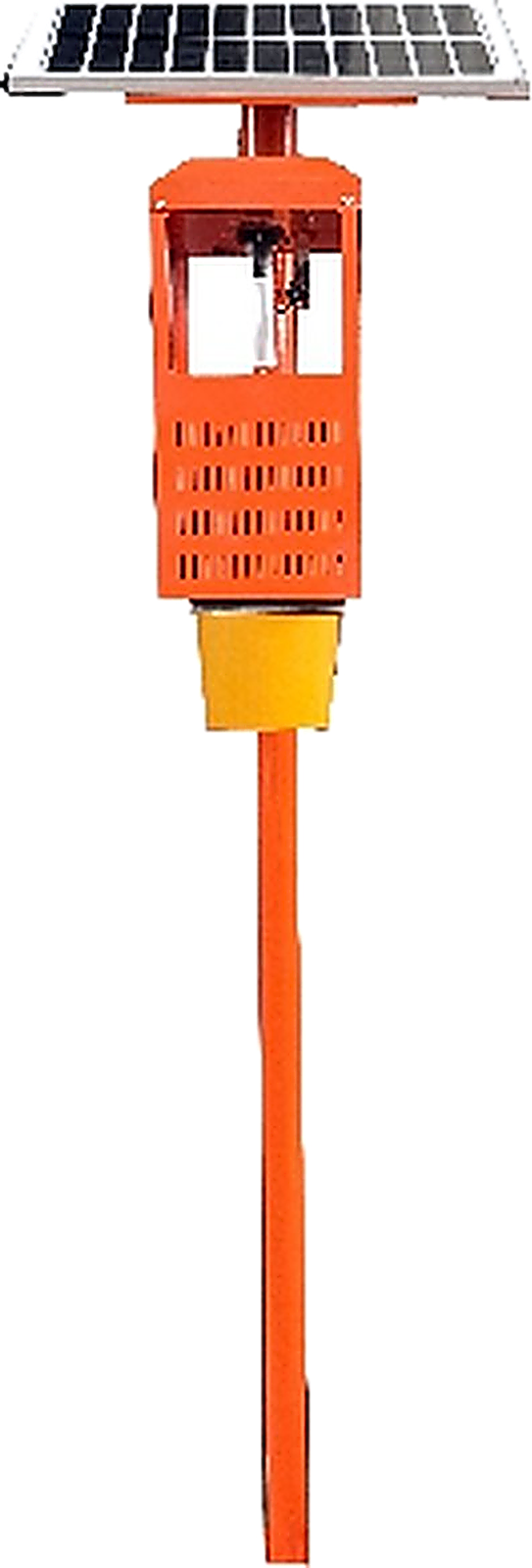
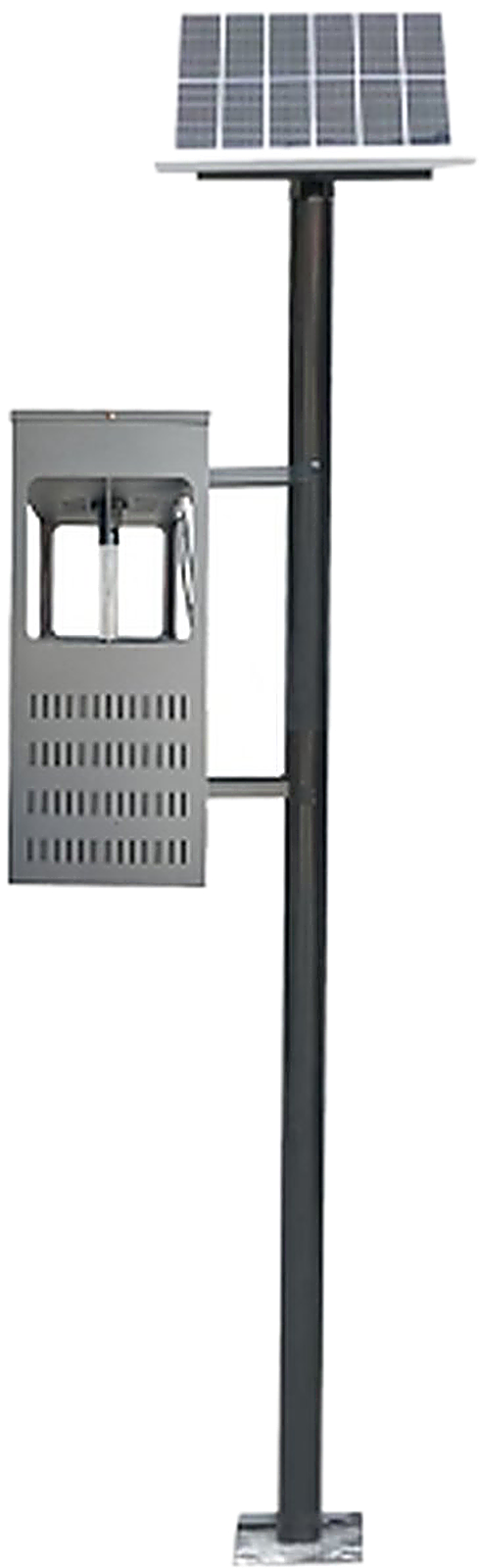


Use this guide alongside the references below to build a complete, defensible program.
For deeper technical and regulatory context, see the FAO Integrated Pest Management and the EPA safe pest control.
Yes. They are a physical, non-chemical control method and count toward the preventative, low-risk measures that EU IPM frameworks encourage before chemical use.
They do. Sealed, dust-resistant housings and adequate battery buffers keep units running through hot, low-rainfall summers common in central and southern Portugal.
On mixed estates, perimeter placement lets a single network of units protect adjacent land uses, though interior density should rise for high-value vineyard and olive blocks.
Across Portugal and Iberia, the solar insect killer has proven itself as a compliant, low-input layer of agricultural pest control for olives, vines and the montado. For exporters and distributors, it is a product that fits both the ecology and the regulation of one of Europe’s most sustainability-driven farming regions.