
Sri Lanka punches far above its size in global agriculture. It is among the world’s top exporters of black tea, a leading source of true cinnamon, and a significant producer of coconuts, rubber and spices. Much of this output is export-bound, which makes pest control both an agronomic and a commercial problem. Across the island, estates are adding the solar insect killer to their agricultural pest control toolkit to protect quality without loading residue onto premium crops.
The island’s tropical monsoon climate—wet lowlands, central highlands and dry zones—supports year-round pest pressure. Three crops illustrate where light-and-suction traps fit best.
In the central highlands around Nuwara Eliya and Kandy, the mosquito bug (*Helopeltis theivora*) and several caterpillar species damage flush leaves, directly cutting the value of made tea. Because tea is processed and graded for export, even cosmetic damage lowers the price. A solar bug zapper placed along estate roads and nursery borders reduces adult moths and bugs before they reach the plucking table.
Sri Lankan cinnamon (*Cinnamomum verum*) is cultivated mainly in the southern and western lowland belts. Thrips, leaf-feeding caterpillars and stem borers reduce both yield and bark quality. Cinnamon earns its premium from purity, so growers are reluctant to spray close to harvest. The solar insect killer offers nightly, residue-free suppression that protects the canopy between pruning cycles.
Coconut estates across the wet and intermediate zones battle the black-headed caterpillar (*Opisina arenosella*) and various beetles. Tall palms make uniform spraying difficult and expensive. Traps positioned at the estate edge and around nurseries intercept moths before they climb, a practical win for farm pest management at scale.
Sri Lanka’s estates often sit far from reliable grid power, especially in hilly tea country and remote coconut tracts. A standalone solar insect killer needs no wiring and no fuel, which suits the dispersed, extensive layout of plantations. It also aligns with the country’s push for greener, lower-input agriculture.
A mid-sized tea-cinnamon estate in the Matara district adopted this approach:
Over the first year the estate recorded fewer caterpillar sightings on the plucking table and a simpler residue story for its EU and Middle East tea buyers.
As with any agricultural pest control program, the trap works best inside a plan:
Sri Lanka’s cardamom, pepper and rubber holdings face their own pest loads—thrips on pepper, leaf-blight vectors on rubber, and stored-product moths in curing sheds. The same solar insect killer units used in tea and cinnamon estates are repositioned seasonally to these blocks, giving managers one reusable farm pest management asset across the whole plantation rather than a separate chemical program for every crop. Because the traps are portable and need no power line, a single fleet can follow the pest calendar from the highlands down to the lowland spice gardens.
Sri Lanka’s heavy southwest monsoon tests any outdoor electronics. Estates that specify IP65-rated, sealed-housing units and wipe panels after storms keep uptime high. Coconut and cinnamon estates near the coast also benefit from corrosion-resistant fittings given the salt-laden air.
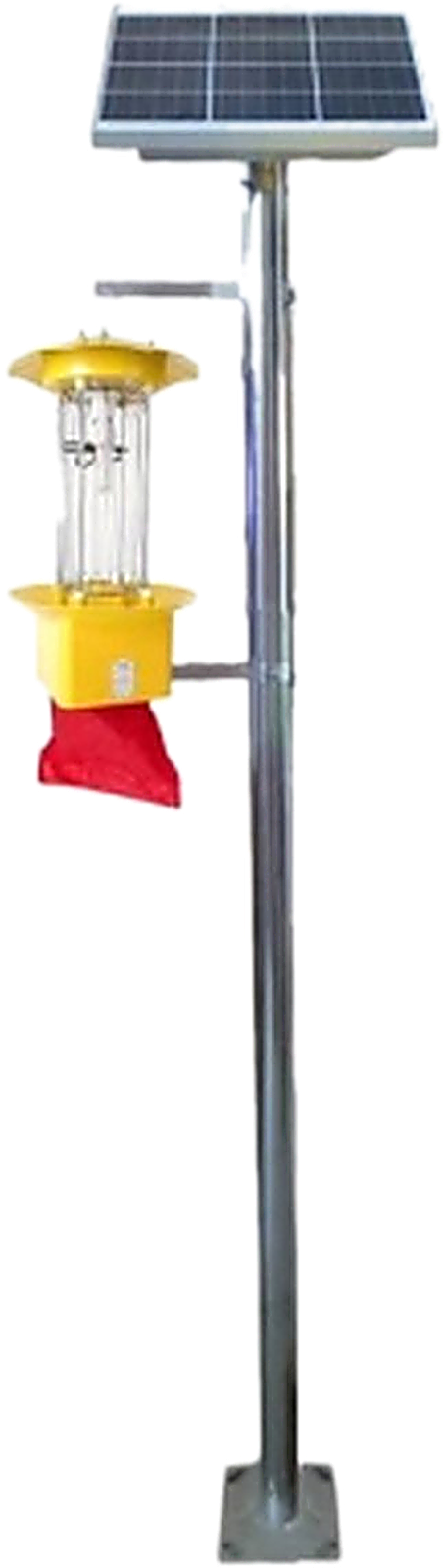

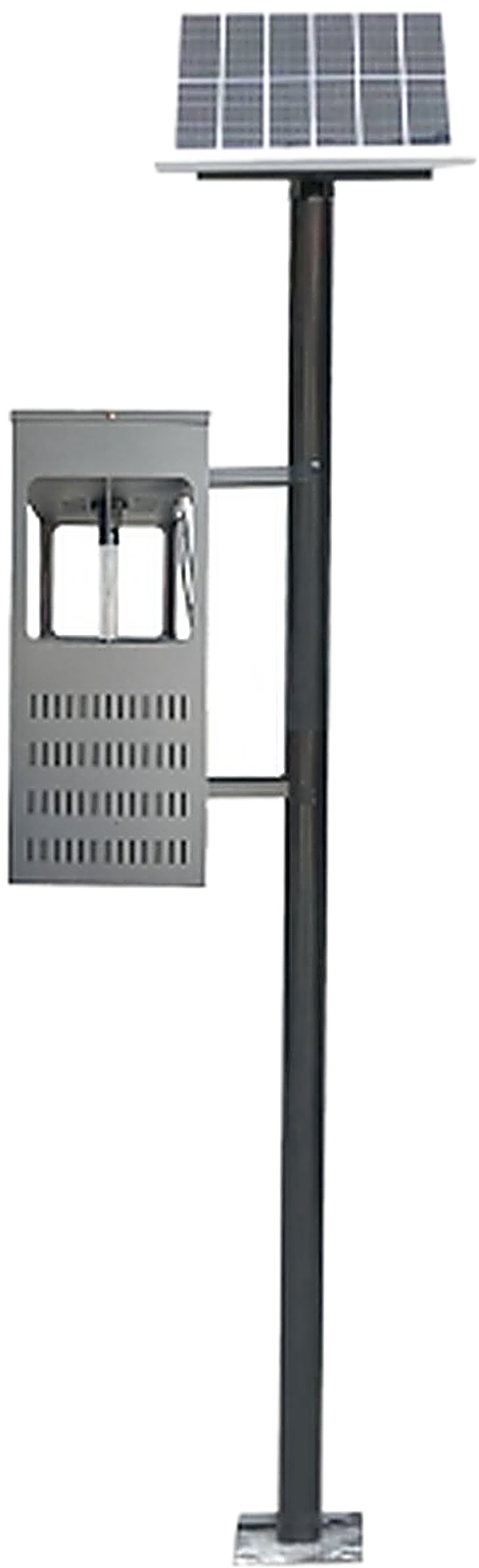
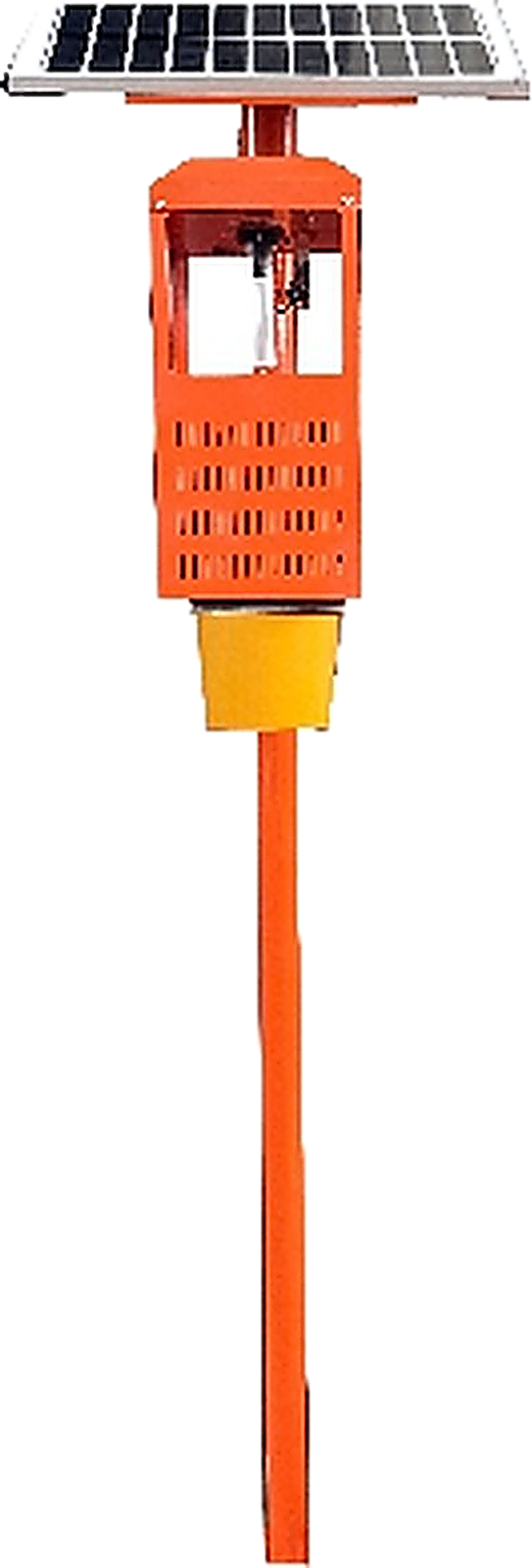
Use this guide alongside the references below to build a complete, defensible program.
For deeper technical and regulatory context, see the FAO Integrated Pest Management and the EPA safe pest control.
Yes. Tea estates in the cool, wet highlands use them along roads, nurseries and field borders to reduce adult moths and bugs. The residue-free operation protects export-grade flush quality.
Directly. Because true cinnamon is sold on purity, avoiding sprays near harvest protects both the bark and the brand. The solar bug zapper provides nightly control without residue.
Traps are placed at the estate edge, around nurseries and along access lanes where moths congregate, rather than lifted into the canopy. This intercepts adults before they climb the palms.
Choose sealed, IP65-rated units and schedule a panel wipe-down after heavy rain. Properly rated solar insect killers handle Sri Lankan monsoon conditions reliably.
For Sri Lankan tea, cinnamon and coconut estates, the solar insect killer delivers residue-free farm pest management that protects export quality and fits the island’s off-grid, monsoon-exposed geography. Combined with monitoring and sanitation, it is a practical, scalable layer of modern agricultural pest control.