
Grazing land is the part of the farm most often overlooked in pest planning. Yet the flies, ticks, and grasshoppers that breed on pasture cost livestock producers billions in lost weight gain, lowered milk yield, and stress every year. A solar insect killer pasture ranchers deploy across the paddock removes the flying adults before they reach the herd, giving cattle and horse operations a chemical-free layer of agricultural pest control that works across open range, riparian corridors, and holding paddocks without grid power.
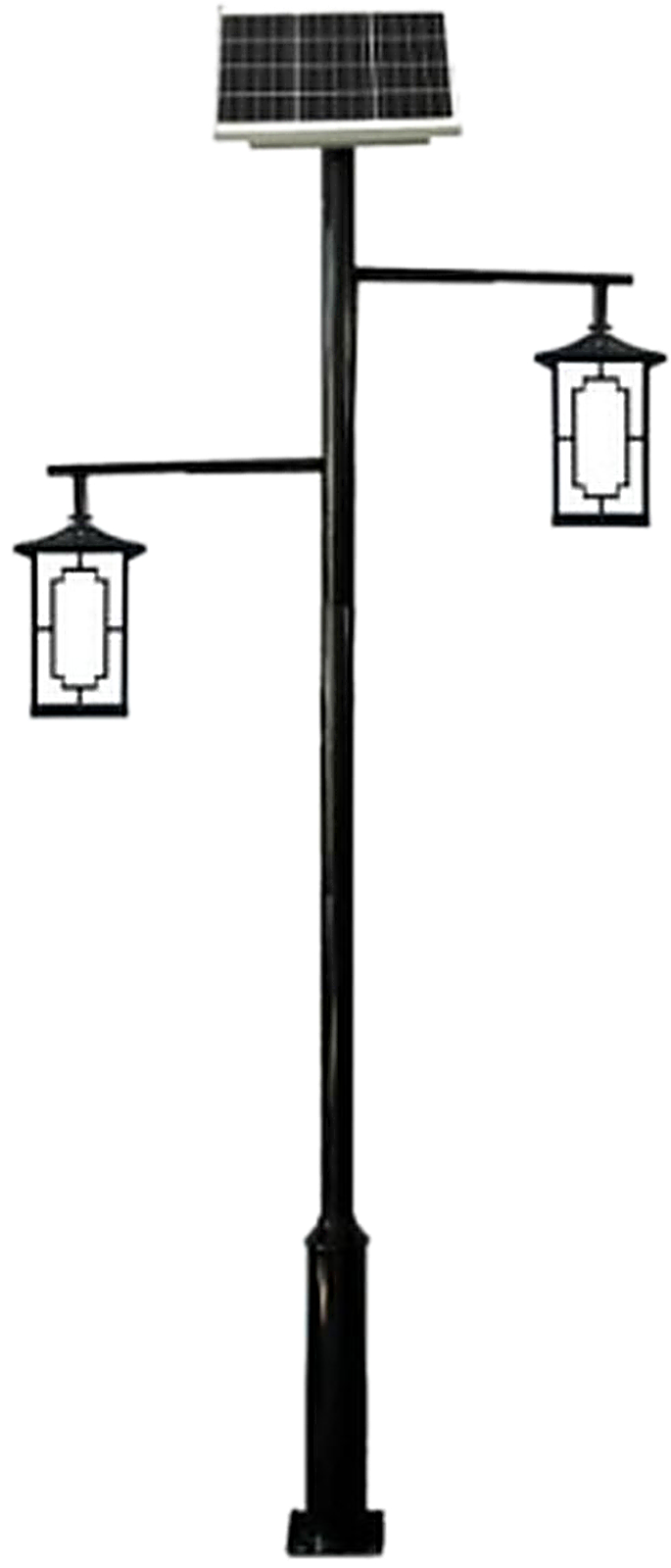
On rangeland, pests do not just annoy animals — they steal production. The losses are quiet but compounding.
Because animals graze continuously, the goal of farm pest management here is area-wide suppression, not per-animal treatment. A solar bug zapper intercepts the flying adults across the paddock before they reach the herd.
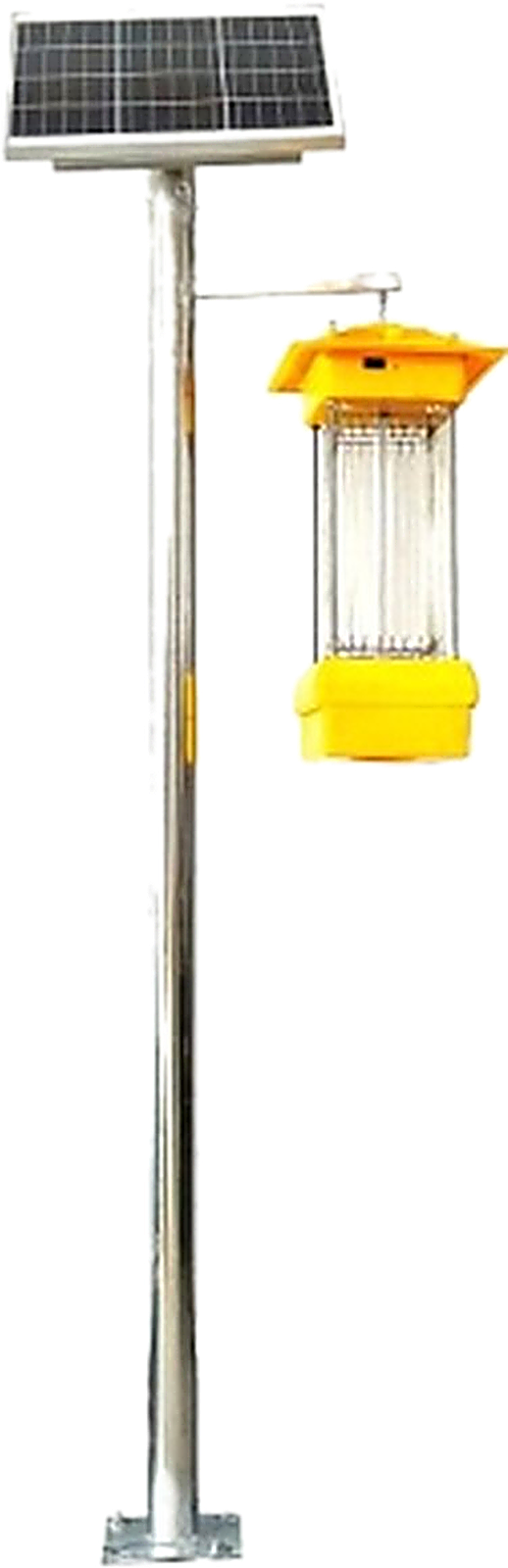
Pasture IPM already combines rotational grazing, dung-beetle conservation, and targeted pour-ons. A solar insect killer pasture installation strengthens that plan in three concrete ways.
UV-LED attraction draws nocturnal horn flies, stable flies, and moths whose larvae damage forage. Removing egg-laying females lowers pressure across the whole paddock without spraying the herd.
By cutting blanket insecticide use, you preserve the dung beetles that recycle manure and the predatory insects that eat pest eggs. This is the same beneficial-insect principle already used in ranchland IPM.
With no wire and no fuel, a unit can sit at a remote windmill, spring, or fence line where flies breed — exactly where grid power never reaches.
Ranch margins depend on gain per acre, and gain depends on uninterrupted grazing. A solar insect killer pasture installation has no electricity bill and a multi-season lamp life. Producers typically report calmer herds, less bunching, and fewer pour-on passes during fly season, where each saved pass protects dung beetles and lowers chemical cost. For certified grass-fed and regenerative programs, that residue reduction is itself a marketing point. Our OEM/ODM program supports custom voltages, pole kits, and private-label branding so distributors can bundle lamps with grazing-plan services.
Rangelands differ. In warm, humid regions, flies breed year-round near water, so keep a baseline of lamps running through the season. In arid and semi-arid zones, concentrate units at springs and riparian corridors where pests aggregate. In snow-bound northern ranges, deploy units to holding paddocks during the short fly season, then store them dry.
Range units sit far from the shop, so keep upkeep simple:
Do solar insect killers replace livestock insecticides?
No. They are a prevention layer within IPM. They cut adult fly numbers and pour-on frequency but should be paired with rotational grazing and selective products when outbreaks cross action levels.
Will the light harm dung beetles or pollinators?
The lamp targets nocturnal flying pests. Day-active dung beetles and pollinators are largely unaffected, especially when units are placed at water and shade rather than bloom rows.
How many units do I need per hectare?
Start with one per 1–3 hectares in high-pressure riparian zones, then adjust using your fly-pressure scouting data.
Can the lamp handle wind and weather?
Yes. The sealed, IP-rated housing and post mount are built for open range, including dust, rain, and summer heat.
A solar insect killer pasture plan is a low-running-cost, chemical-free tool that fits rangeland IPM by mass-trapping horn flies, stable flies, and foraging moths, protecting dung beetles, and covering remote water points without grid power. Used at shade and troughs with disciplined monitoring, it lowers chemical load and supports higher-gain agricultural pest control across the pasture.