
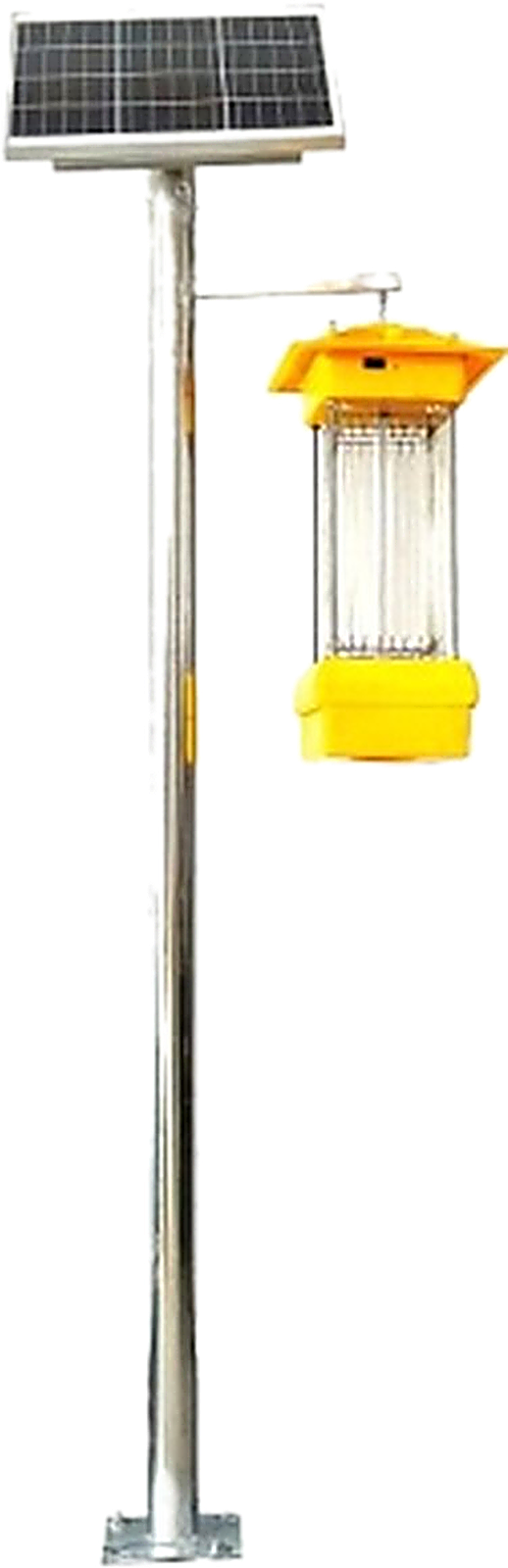
Mushroom production is intensive, enclosed, and unforgiving on pests. The same warm, humid, substrate-rich environment that grows mushrooms also grows fungus gnats, phorid flies, and mites — and a single infestation can ruin a flush and contaminate the whole house. A solar insect killer mushroom growers place at the airlock and beds removes the flying adults before they lay the next generation, giving commercial mushroom operations a chemical-free layer of agricultural pest control that protects yield and grade inside the grow room and at the loading dock.
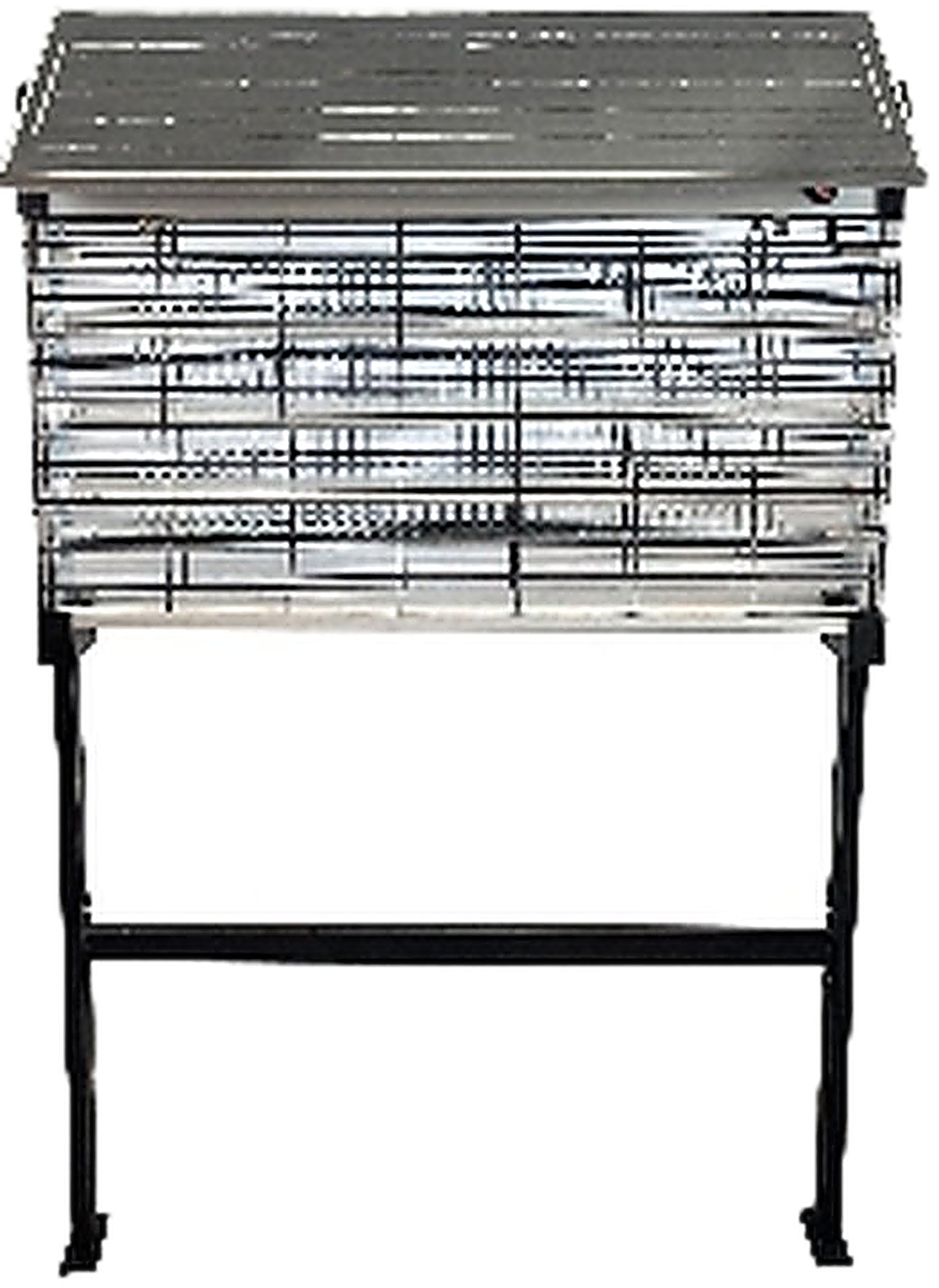
Unlike field crops, mushrooms grow on pasteurized organic substrate under constant humidity. That environment favors a small set of high-impact pests.
Because mushrooms are harvested by hand and sold fresh, the goal of farm pest management here is exclusion and adult suppression, not rescue spraying. A solar bug zapper intercepts the flying adults before they lay the next generation.
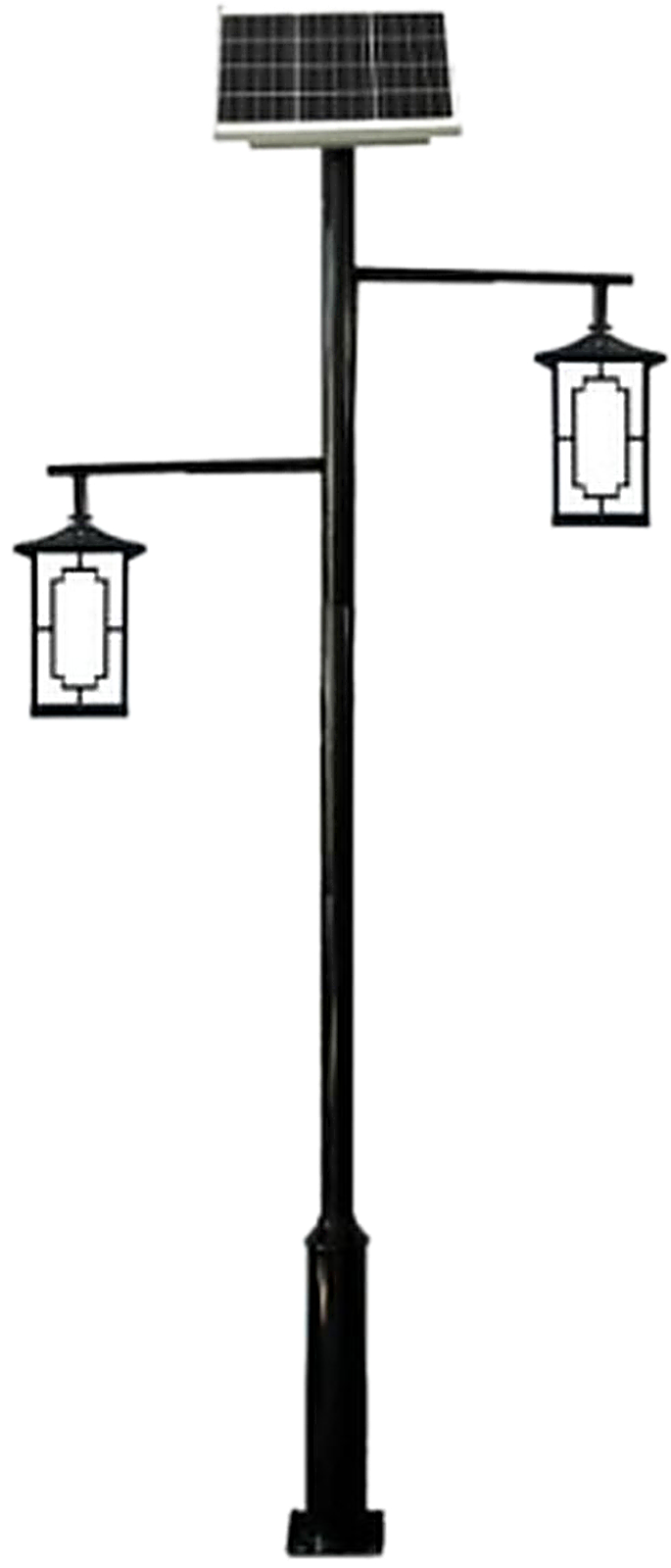
Mushroom IPM already combines pasteurization, strict hygiene, and sticky cards. A solar insect killer mushroom installation strengthens that plan in three concrete ways.
UV-LED attraction draws nocturnal fungus gnats, phorid flies, and moths. Removing egg-laying females lowers larval pressure across the house without a single spray pass on the crop.
The catch tray doubles as a monitoring station. A sudden jump in gnat counts tells the scout to inspect casing and airflow before damage spreads — the core of smart farm pest management.
By cutting blanket insecticide use, you avoid residue risk on a fresh, raw product and keep beneficial predatory mites working on the substrate surface.
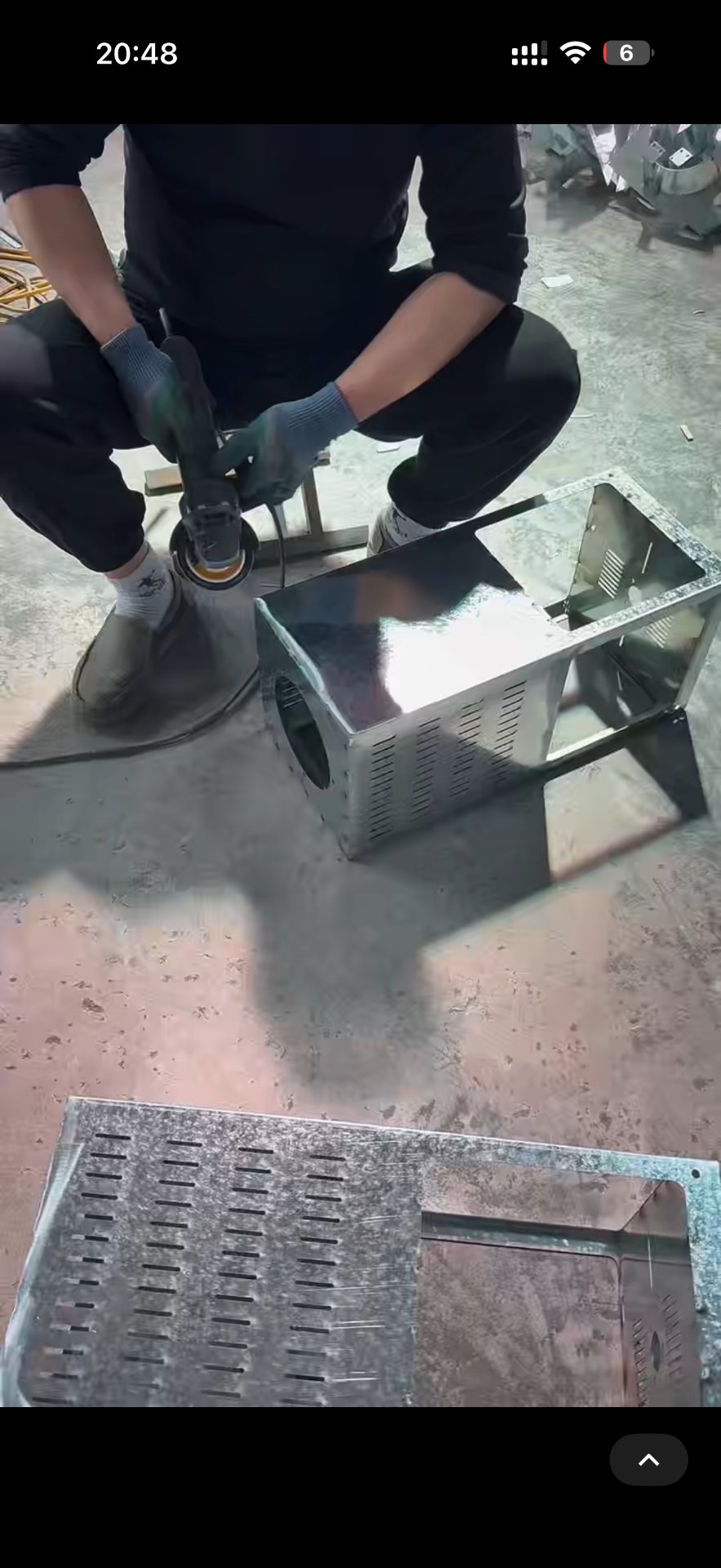
Mushroom margins depend on grade and shelf life, and grade depends on clean, blemish-free caps. A solar insect killer mushroom installation has no electricity bill and a multi-season lamp life. Growers typically report fewer corrective spray passes during peak flush, where each saved pass protects the fresh product and lowers residue risk at packout. For food-service and retail channels, that residue reduction is itself a selling point. Our OEM/ODM program supports custom voltages, pole kits, and private-label branding so distributors can bundle lamps with hygiene services.
Mushroom houses differ by climate. In warm, humid regions, gnats breed year-round, so keep a baseline of lamps running through every cycle. In temperate zones, concentrate units during the warm spawning and pinning stages when outbreaks start. In automated climate houses, line the upwind intake wall for the flush window, then service the units between crops.
Mushroom cycles are short and repeated, so keep upkeep tight:
Do solar insect killers replace mushroom insecticides?
No. They are a prevention layer within IPM. They cut adult numbers and spray frequency but should be paired with pasteurization and hygiene when outbreaks cross action levels.
Will the light harm beneficial predatory mites?
The lamp targets nocturnal flying pests. Surface-dwelling predatory mites are largely unaffected, especially when units are placed at doors and vents rather than directly over the beds.
How many units do I need per house?
Start with one per 100–300 m² in high-pressure houses, then adjust using your catch-tray scouting data.
Can the lamp handle high humidity?
Yes. The sealed, IP-rated housing is built for grow-house conditions, including condensation, wash-down, and constant humidity.
A solar insect killer mushroom plan is a low-running-cost, chemical-free tool that fits mushroom IPM by mass-trapping fungus gnats, phorid flies, and mites, enabling early scouting, and protecting the fresh crop. Used at airlocks and beds with disciplined monitoring, it lowers spray load and supports higher-grade agricultural pest control across the house.