
The black-soil belt that stretches across Ukraine, southern Poland, and European Russia is one of the most productive cereal and oilseed regions on earth, producing wheat, barley, maize, rapeseed, and sunflower at scale. It is also a region where rising insecticide resistance and tightening residue rules make older spray-everything habits expensive. This case study follows three arable enterprises that added a solar insect killer layer to their field-edge and storage strategy, and measured what changed.
Vast, uniform monocultures are efficient for machinery but they are also a continuous buffet for insects. When millions of hectares flower at the same time, pest populations build fast and move with the wind.
The sunflower moth (*Homoeosoma nebulella*) lays eggs in the flowering head, and its larvae feed on the developing seeds, cutting oil yield and grade. In a bad year it can spread across an entire region’s sunflower area almost overnight.
Winter wheat and barley face the cereal leaf beetle and waves of grain aphids that suck the sap and transmit viruses. Maize attracts European corn borer. Each pest has its own flight window, so a single spray date misses most of them.
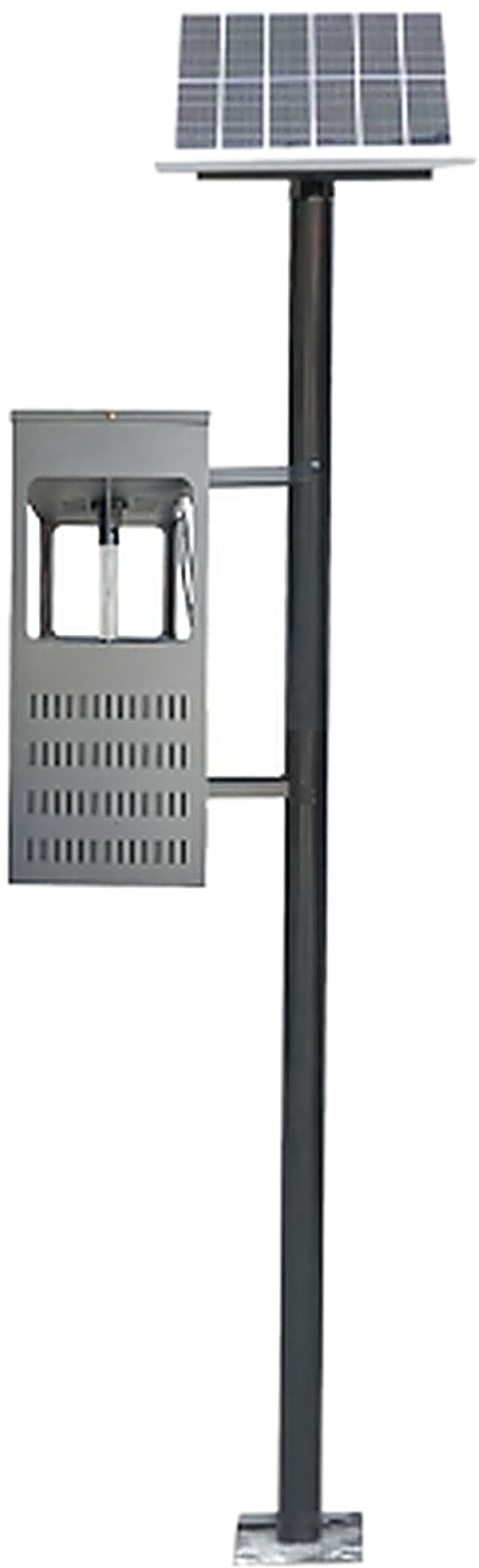
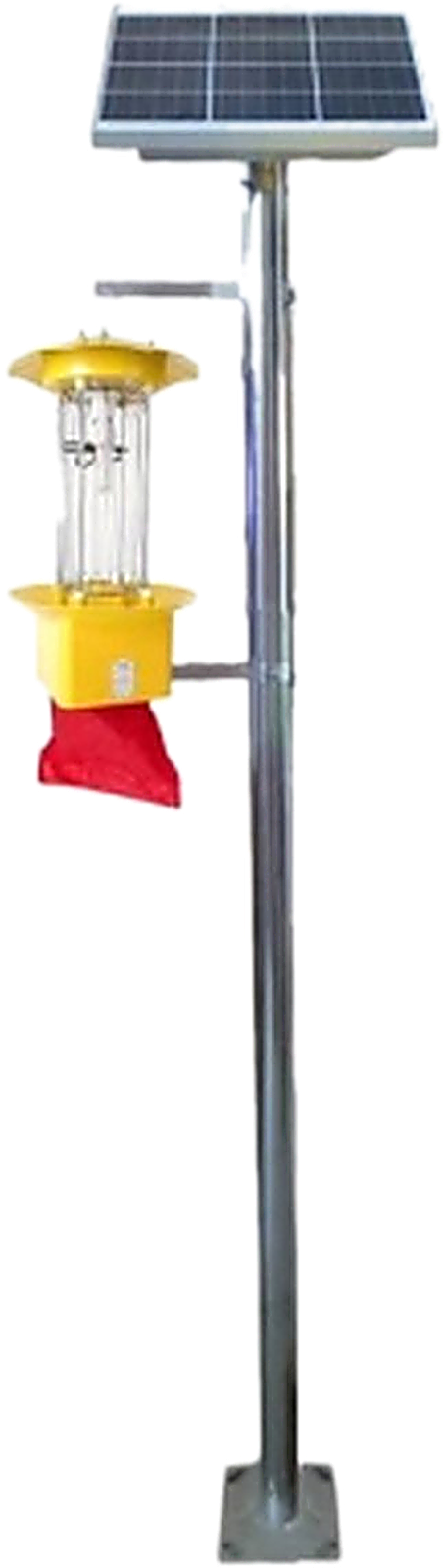
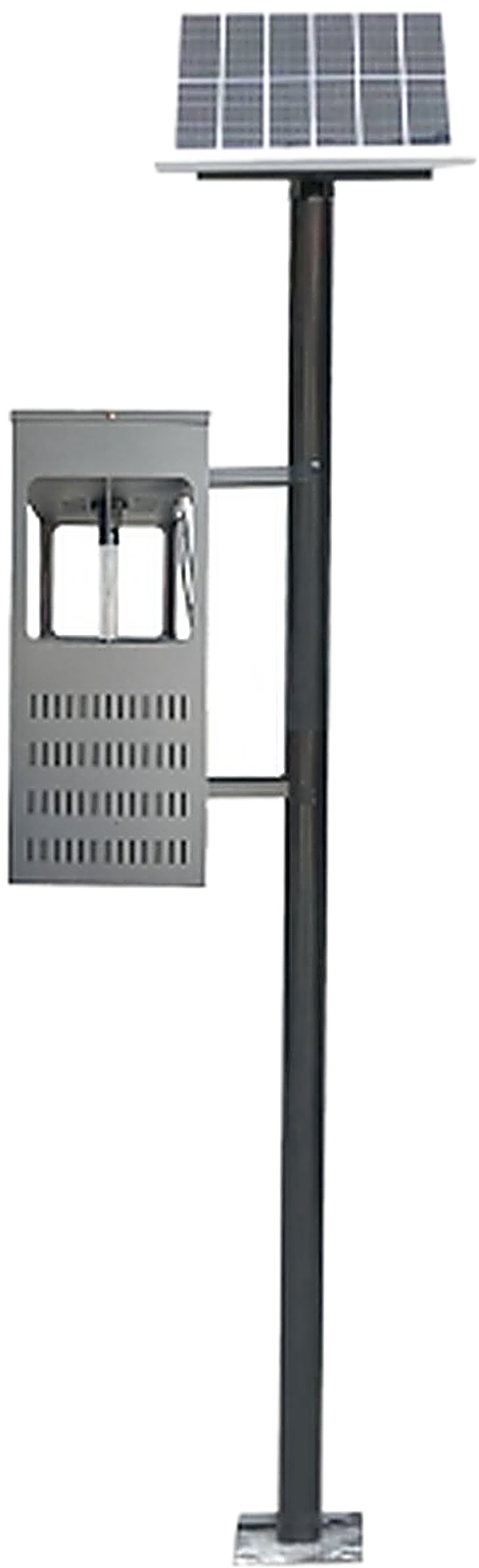
A solar insect killer needs no grid connection, so it is ideal for the field margins, pivot corners, and grain yards of big farms where running power is impractical. It runs every night on stored solar energy and removes adult insects before they lay eggs.
Farmers placed units on the edges of sunflower and rapeseed blocks, and along shelterbelts and uncultivated margins where adult moths gather. A solar bug zapper at the field edge intercepts a share of the population before it reaches the crop interior.
After harvest, the same units moved to the grain yard to pull night-flying moths and beetles away from stored wheat and barley. This is a low-cost, residue-free layer of farm pest management that protects the crop the farmer has already paid to grow.
Over one full season, the three farms tracked insecticide volume, scouting counts, and storage loss. The figures below are representative of participating fields.
With the light traps removing part of the adult flight, the farms reduced blanket spray passes during peak moth windows. Fewer sprays means slower resistance buildup in the local insect population, a direct long-term gain for agricultural pest control.
Grain stored with a unit near the drying yard showed lower moth damage and fewer rejected lots at delivery. Better grade means better price, which is the metric arable managers care about most.
The three enterprises compared their trap counts and spray logs in a shared monthly review. Because the solar insect killer gave a consistent nightly catch, managers could see pest pressure building a week before it showed in field scouting. That early warning let neighbouring farms time their reduced sprays together, which matters when pest flights cross farm boundaries. Cooperative timing turned a single-farm tool into a landscape-level agricultural pest control advantage.
The solar insect killer was paired with pheromone traps and field scouting. Rather than spraying on a calendar, the farms sprayed only when counts crossed an economic threshold, and used the light traps as a steady background reducer in between. This is modern farm pest management: fewer inputs, better timing.

Use this guide alongside the references below to build a complete, defensible program.
For deeper technical and regulatory context, see the FAO Integrated Pest Management and the EPA safe pest control.
One unit covers a field edge, not a whole farm. The strategy is to line the highest-risk margins and storage areas, not to replace the spray program. At scale, many units create a meaningful regional reduction.
The device runs through the growing season. In deep winter the pests are dormant, so the units are serviced and stored, then redeployed at spring green-up.
Yes. The trap adds no chemical residue to the grain, which helps farms stay inside tight Maximum Residue Limit requirements for export markets.
Placement matters. Keeping units away from flowering wildflower margins and using them mainly at night limits non-target impact, a standard part of any IPM plan.
Eastern Europe’s grain belt proves that a solar insect killer belongs on large arable farms, not just small plots. Used at field edges and grain yards, and paired with scouting, it cut spray volume, protected storage grade, and slowed resistance. For managers running thousands of hectares, that is a quiet but powerful win for agricultural pest control.