
West Africa produces roughly two-thirds of the world’s cocoa and is the leading source of raw cashew nuts, yet both crops lose a large share of export-grade volume to insects that are barely visible until pods and kernels are already ruined. This case study follows three representative farms in Ghana, Côte d’Ivoire, and Nigeria that replaced calendar-based chemical spraying with a solar insect killer layer inside an integrated pest management (IPM) program. The result was fewer rejected pods, cleaner kernels, and a measurable drop in pesticide spend.
The humid forest zones of Ghana and Côte d’Ivoire and the Guinea savanna of central Nigeria create ideal conditions for the mirids and bugs that love young cocoa cherelles and cashew panicles.
Because these insects are mobile adults that fly between trees at dusk, agricultural pest control built only on soil drenches or canopy misting misses the adult stage entirely.
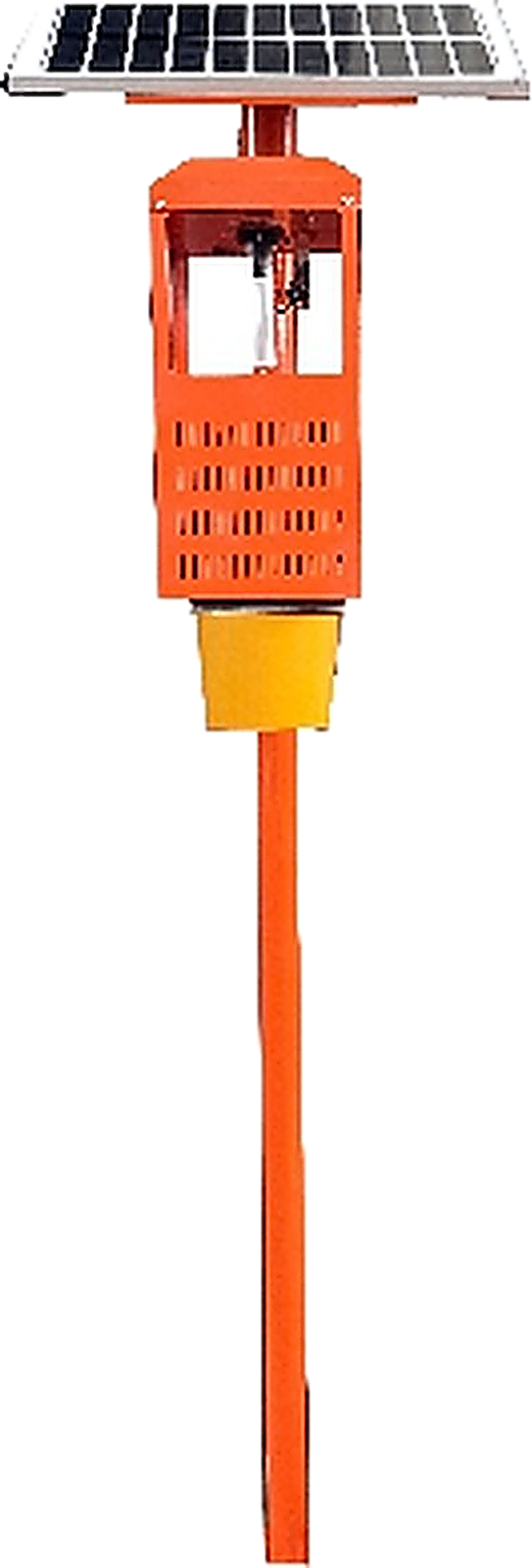
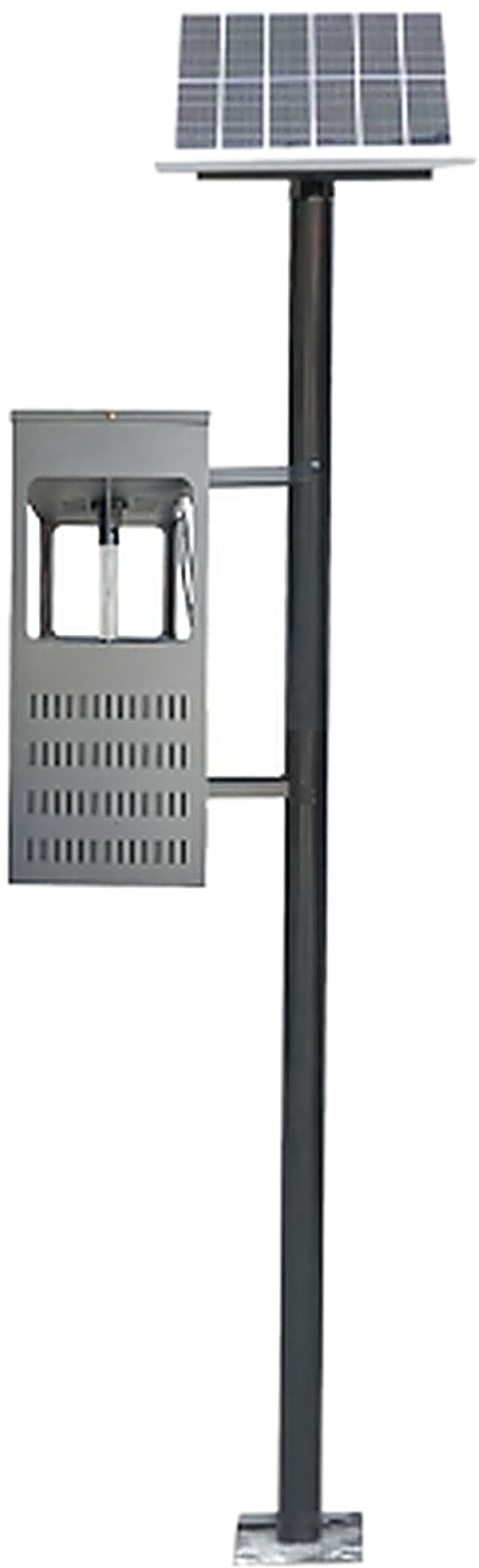
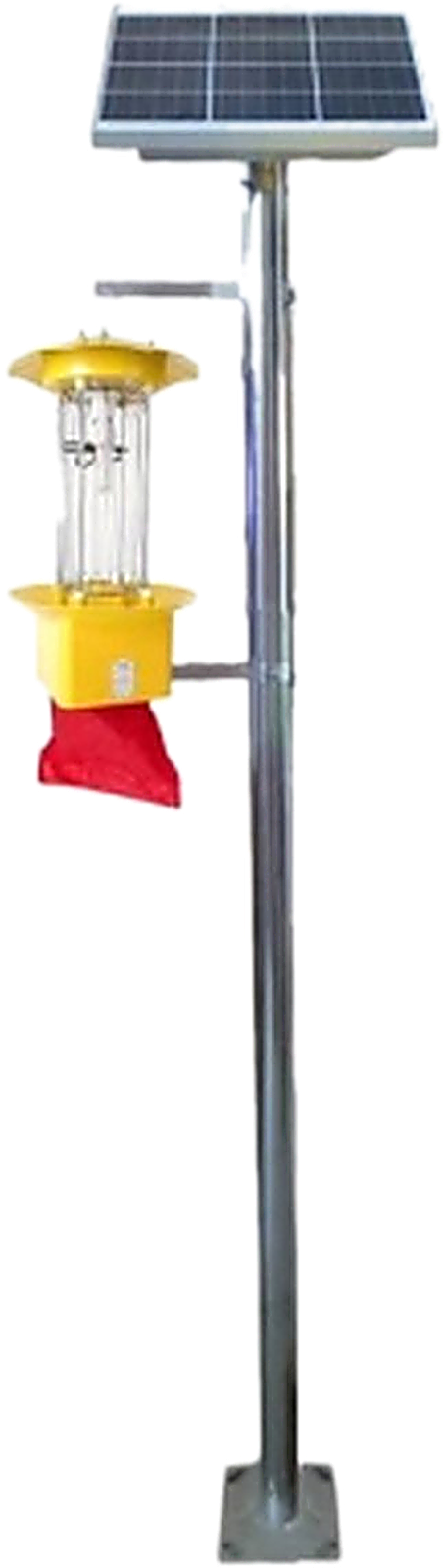
Each farm installed a grid of solar bug zapper units (wind-suction type) at the canopy edge and along the windward rows, powered by the same sun that ripens the crop.
Many cocoa and cashew smallholdings sit far from the grid. A solar insect killer needs no cabling, no fuel, and no monthly energy bill — a major advantage for farm pest management across dispersed West African plots.
All three farms tracked weekly pod-set, rejected-kernel counts, and spray events.
European and Asian buyers pay a premium for clean, uniformly graded beans and kernels. By removing the adult insect stage that causes the blemishes buyers reject, the solar insect killer protects the margin that justifies the whole harvest. It also reduces residue risk at a time when cocoa and cashew importers are tightening maximum-residue limits.
A wind-suction unit runs for years on a small PV panel and a lithium cell. For a 5–10 hectare cocoa or cashew block, the typical payback comes from:
Most cooperatives in this study reached simple payback inside two to three seasons, faster where labor and chemical costs were already high.
The solar bug zapper is not a silver bullet. The farms that did best paired it with:
This keeps the tool effective and slows any insecticide resistance in the wider agricultural pest control plan.

Use this guide alongside the references below to build a complete, defensible program.
For deeper technical and regulatory context, see the FAO Integrated Pest Management and the EPA safe pest control.
Will a solar insect killer work in dense shade cocoa? Yes. Place units at the edge of canopy gaps and along feeder roads where adults fly; the UV-LED lure reaches into the understory at dusk.
Is it safe near fermenting cocoa beans? The unit targets flying adults only and uses no chemicals, so it is safe around harvest and fermentation areas when sited away from direct bean contact.
How many units does a cashew farm need? Roughly one per 1.5 hectares of open canopy, mounted at flowering height on the windward side of each block.
Does it replace all spraying? No. It removes the adult flight stage; pair it with sanitation and monitored, targeted sprays for full farm pest management.
West Africa’s cocoa and cashew exports gain the most from a solar insect killer when it is layered into IPM rather than used alone. The clearest wins are fewer rejected pods, cleaner export-grade kernels, and lower chemical and labor cost — a practical, off-grid win for Ghana, Côte d’Ivoire, and Nigeria growers alike.