
Colombia is a powerhouse of high-value export agriculture: arabica coffee grown on Andean slopes, cut flowers shipped to florists worldwide, and tropical fruit such as banana, mango, and passion fruit bound for Northern Hemisphere winters. Each crop carries strict residue and appearance standards, and each fights distinct flying pests. This case study explores how a solar insect killer supports residue-free agricultural pest control across these three export pillars.
Colombian coffee grows between 1,200 and 2,000 meters, where the coffee berry borer (*Hypothenemus hampei*) is the perennial foe. While the borer is a tiny beetle that hides inside the cherry, the adult flight period is when monitoring matters most. A solar bug zapper placed at the farm boundary and along the beneficio (processing) area helps intercept adult insects and, just as importantly, provides a visual scouting signal for pickers and agronomists.
Andean coffee farms have no grid at the plot level. Carrying generators up a slope is costly and noisy. A solar insect killer with a robust LiFePO4 pack runs unattended through the harvest, which in Colombia’s two-crop zones can stretch much of the year. For farm pest management, energy independence is not a luxury — it is the only practical option.
Colombia supplies a large share of the world’s cut roses, carnations, and chrysanthemums, much of it air-freighted to the US and Europe. Buyers demand near-zero pesticide residue and blemish-free petals. Thrips and whitefly are constant threats in shade-house and open-field production.
Here the solar bug zapper works as a perimeter defender: units line the shade-house edges and loading docks to stop adults from riding air currents into the crop. Because the trap adds no chemistry, it slots cleanly into the residue-free agricultural pest control program that flower exporters already run with predatory mites and rigorous scouting.
Colombia’s varied climate — dry highlands and wet lowlands — means IP65+ sealing and corrosion-resistant hardware are non-negotiable. Flower farms near Bogotá’s cool zones and ones on the hot Caribbean plain need the same sealed electronics, different only in panel angle.
Export mango faces fruit fly (*Anastrepha* spp.) protocols; banana battles cosmopolitan pests and thrips; passion fruit suffers mite and fruit-fly pressure. A solar insect killer at the orchard edge and packing-house entrance supports the trapping grids that exporters already maintain for fruit-fly surveillance, while reducing the adult population that would otherwise reach the fruit zone.
For farm pest management teams, the device is a force multiplier: it runs every night without labor, complements the existing pheromone and bait traps, and leaves no residue that could trip an MRL (maximum residue limit) test at destination.
Across the coffee, flower, and fruit sites we reviewed, common threads emerged:
As always, the solar insect killer is one layer of integrated pest management, not a replacement for cultural and biological controls.
Exporters buying from Asian OEMs should specify:
Order ahead of the flower Valentine’s peak and the mango export window to avoid the global OEM backlog.
The through-line for all three Colombian crops is market access. Buyers in the US, EU, and Japan audit residue data closely, and a solar insect killer strengthens the story a grower can tell: fewer sprays, cleaner tests, and a documented scouting record from the trap catch. For cooperatives, pooling trap data across members also builds a regional pest-pressure picture that supports better spray-timing decisions across the valley.
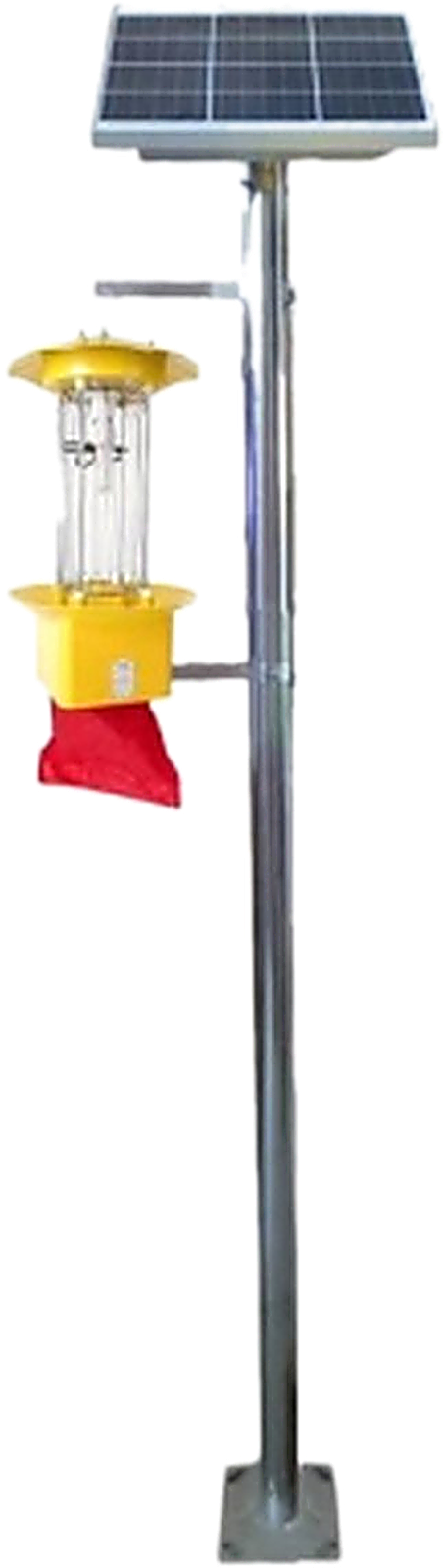

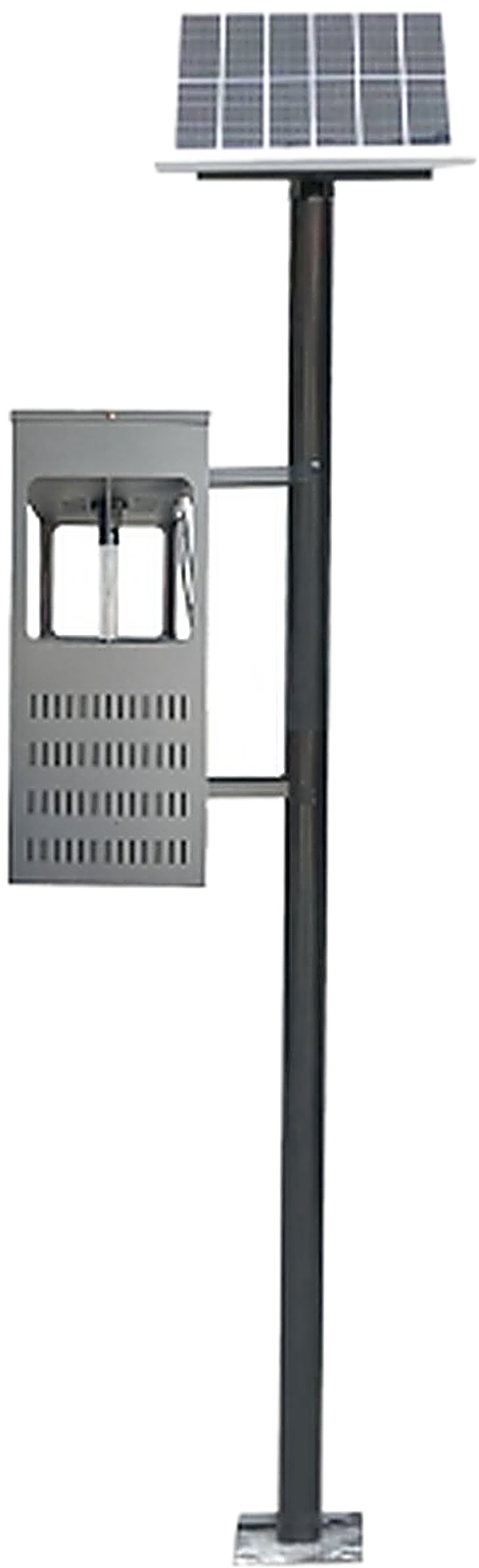
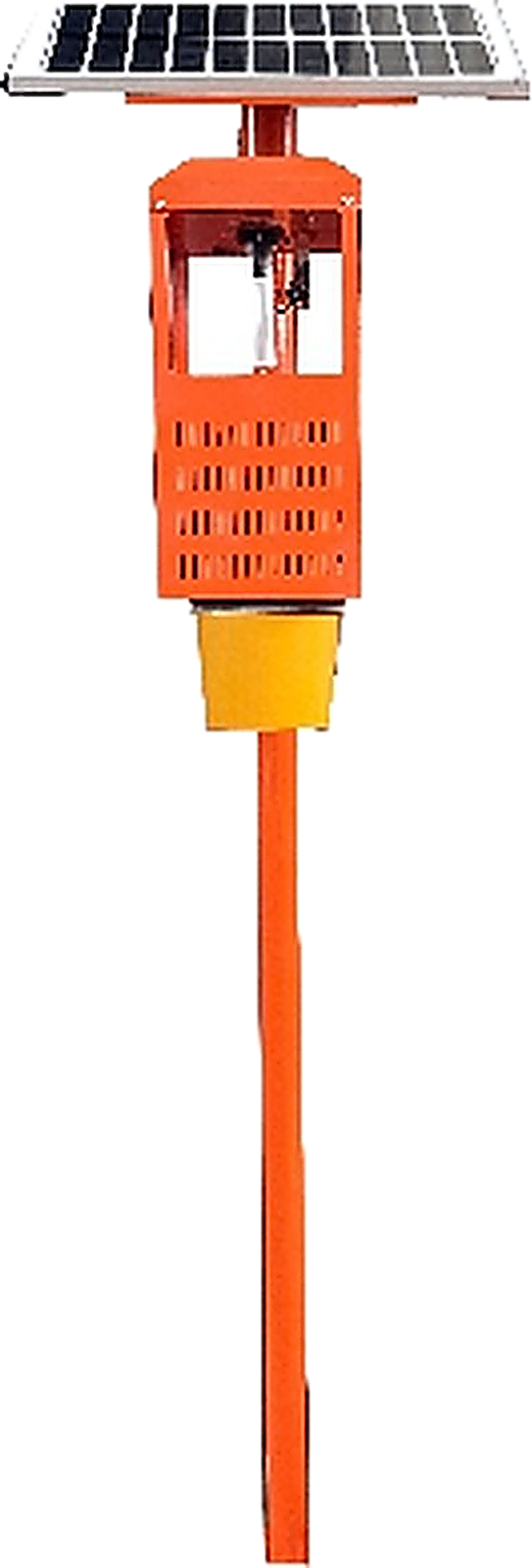
Use this guide alongside the references below to build a complete, defensible program.
For deeper technical and regulatory context, see the FAO Integrated Pest Management and the EPA safe pest control.
They support a residue-free program by suppressing adults without chemistry, but certification still depends on your full agricultural pest control plan. The trap is a complementary tool.
Yes. Solar charging is strong at altitude thanks to intense UV, and cold nights are manageable with a LiFePO4 pack. Just shelter batteries from hard frost during the coldest months.
Shade-house perimeters benefit from evenly spaced solar bug zappers — typically one every 15–30 meters along the edge, plus dock units. Density follows pest pressure and wind exposure.
No. It complements them. The solar insect killer reduces the adult population; bait and pheromone traps handle species-specific surveillance and mating disruption.