
Olive fruit fly control is the single biggest yield and quality challenge for olive growers from the Mediterranean to the Americas. The olive fruit fly (Bactrocera oleae) is the most damaging pest of olive production across these regions, and a single infested fly can ruin the commercial value of fruit destined for table or oil use. For growers transitioning away from calendar-based spraying, a solar insect killer offers a physical, chemical-free layer of agricultural pest control that fits neatly into an Integrated Pest Management (IPM) program. This guide covers how olive growers can deploy solar traps effectively for reliable olive fruit fly control.
Olive fruit fly larvae feed inside the fruit, causing:
– Direct yield loss and premature fruit drop.
– Oil quality decline (free acidity rises as damaged fruit ferments).
– Rejection of table-grade fruit at export inspection.
Traditional response is repeated bait spraying, which is costly, labor-intensive, and increasingly restricted in EU and organic programs. A solar bug zapper combined with pheromone or food lures attacks the adult fly population before it lays eggs — reducing the next generation’s pressure without saturating the grove with chemicals.
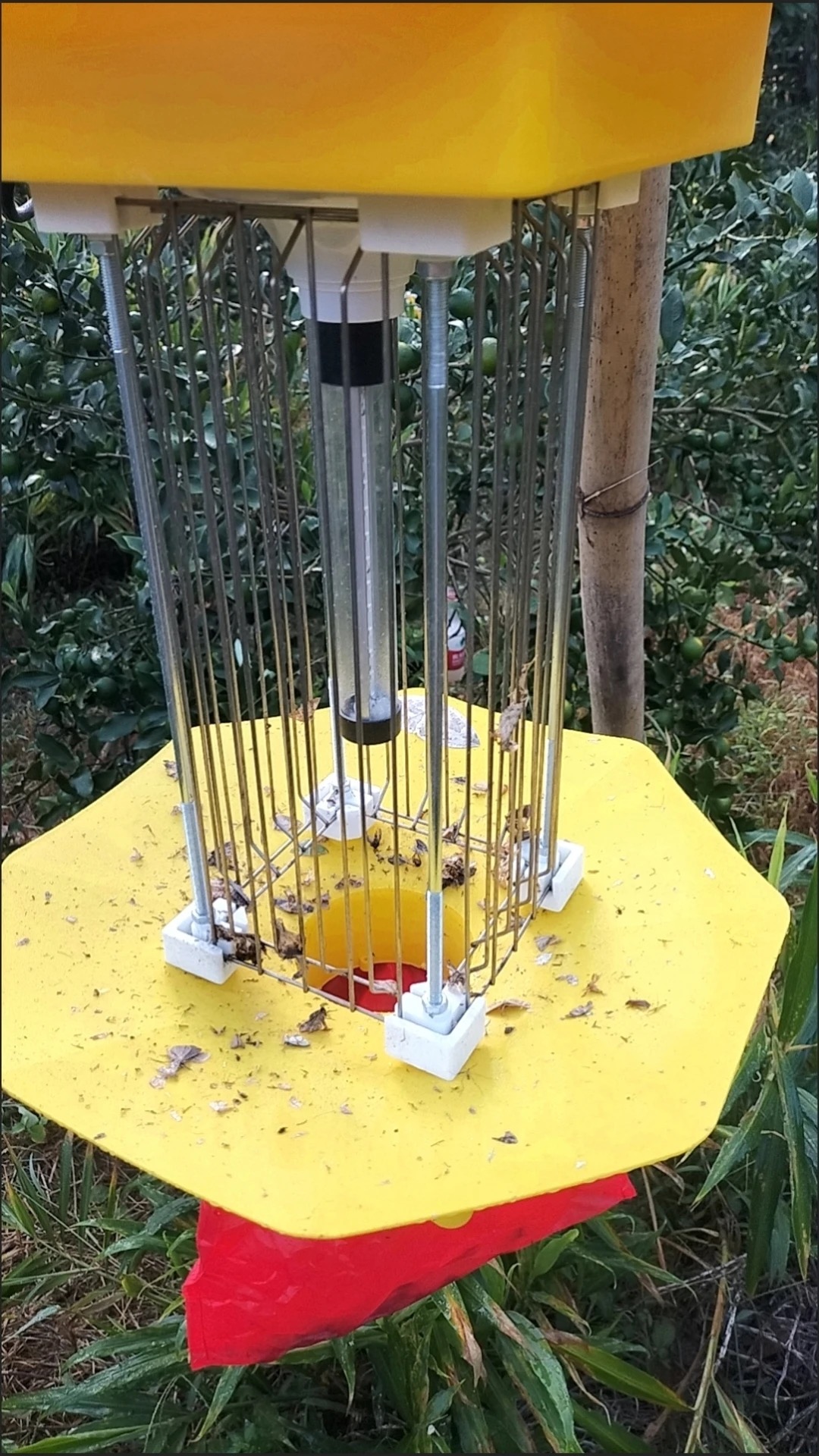
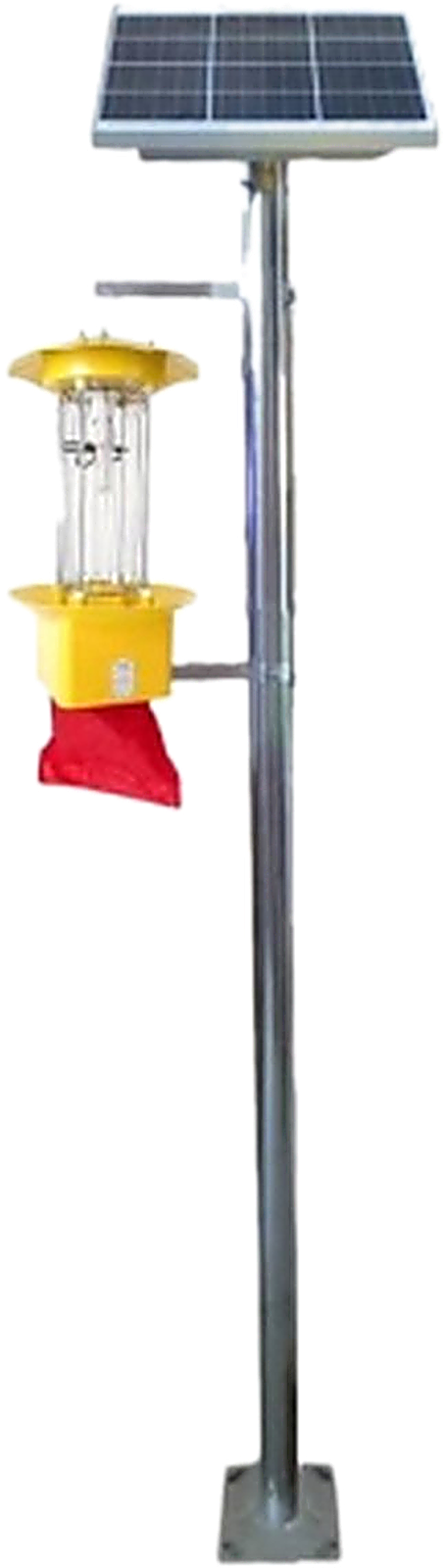
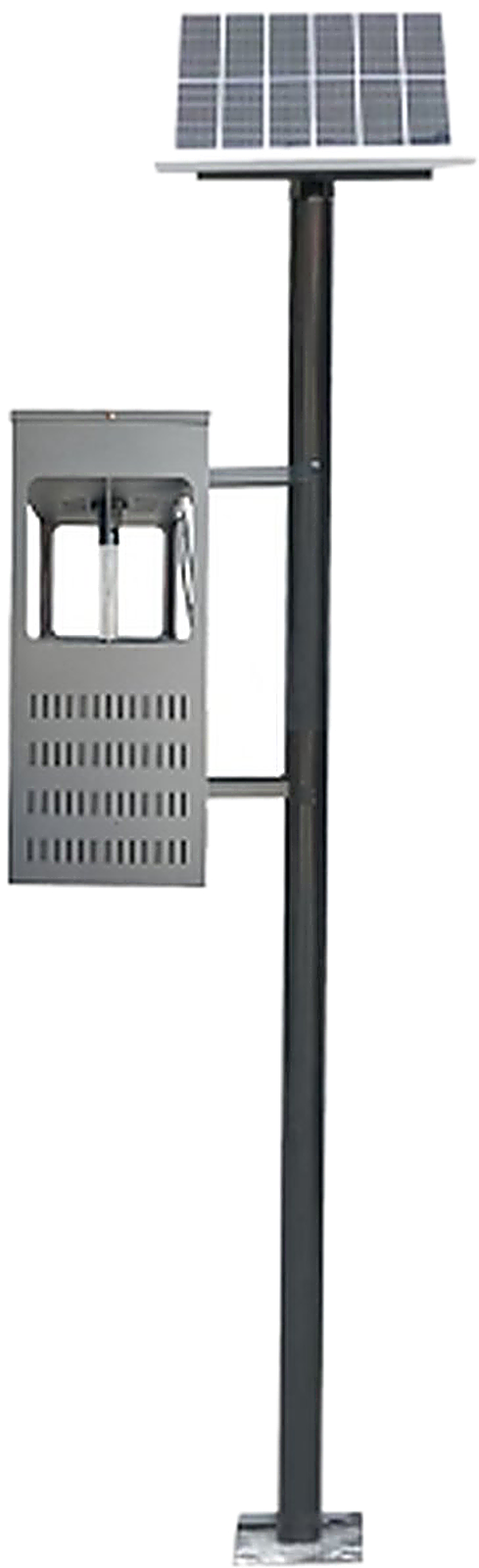
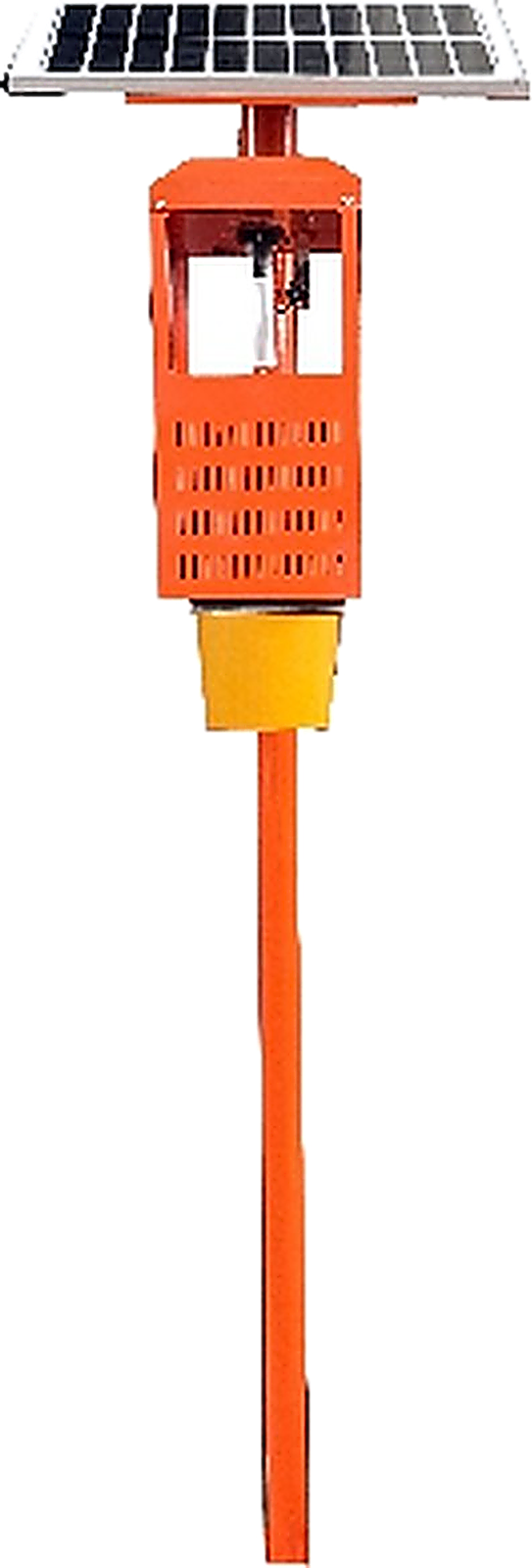
A solar insect killer uses a UV or full-spectrum lamp to attract flying adults at dusk and dawn, when olive fruit flies are most active. The insects are then captured by a fan-driven collection chamber or an electric grid. Because the unit is solar-powered, it operates through the night with no grid connection — ideal for remote hillside groves.
By suppressing the adult population continuously, you lower egg-laying pressure across the whole grove, not just on treated trees. This area-wide effect is what makes solar traps valuable inside farm pest management plans.
Start operation at the beginning of the flight season — often late spring in the Mediterranean — and run continuously through harvest. Early start is the key difference between “control” and “cleanup.”
Pair the lamp with an olive fruit fly pheromone or protein bait dispenser near the trap to multiply catch rates. Rotate lure type if catch declines.
A solar insect killer should not stand alone. The strongest results come from layering:
This combination is the modern definition of agricultural pest control for olives — less chemical, more physical, better for oil quality and export compliance.
For growers selling into the EU or premium markets, two factors matter most:
– Residue limits: fewer sprays mean cleaner fruit and lower compliance risk.
– Visual quality: intact, unstung fruit commands higher table grades.
Solar trapping helps both, while the low operating cost protects margin in a crop where oil prices fluctuate year to year.
Reliable olive fruit fly control comes from consistency, not heroics. Groves that run traps from flight start to harvest, refresh lures on schedule, and monitor catch counts are the ones that protect both yield and oil grade. Treat olive fruit fly control as a season-long program rather than a reaction to damage, and the pest stops dictating your spray calendar.
For exporters, documented olive fruit fly control also doubles as compliance evidence. Cleaner fruit and fewer sprays are easier to defend at the border.
Do solar insect killers replace olive fruit fly spraying completely?
Often they greatly reduce it, but in outbreak years a targeted spray may still be needed. They are an IPM tool, not always a sole solution.
How many traps do I need per hectare?
Typically one per 1–2 hectares, with extra units on grove borders. Increase density in high-pressure seasons.
Are solar traps safe for bees and beneficial insects?
Yes, when using species-specific lures and avoiding flowering understory spraying. The traps target flying adults, not pollinators at work.
When should I turn the traps on?
At the start of the flight season, usually late spring in the Mediterranean, and keep them running through harvest.
Do they help with table-olive grade quality?
Yes. By reducing stung fruit, they improve the visual and export grade of table olives.
What is the cheapest way to improve olive fruit fly control?
Start traps early, add lures, and monitor counts. Those three steps do most of the work in a solid olive fruit fly control program.
For olive growers, olive fruit fly control is a perennial priority — but not an unmanageable one. A well-placed solar insect killer network, paired with monitoring and cultural practices, delivers chemical-free suppression that protects both yield and oil quality. As export residue rules tighten, physical trapping is becoming the smarter backbone of Mediterranean farm pest management.
FOSIBO supplies solar insect killers and wind-suction traps suited to olive groves, with OEM/ODM options for distributors serving Mediterranean and Latin American markets.