
Rice feeds more people than any other crop, and its flooded, warm, high-density fields are also the perfect nursery for planthoppers, stem borers, and a long list of beetles. A single brown planthopper surge can collapse a whole paddy in days. A solar insect killer rice growers place around the bunds removes the flying adults that start the outbreak, before they settle and multiply. This plan shows how a solar insect killer supports agricultural pest control across the rice landscape from nursery to harvest.
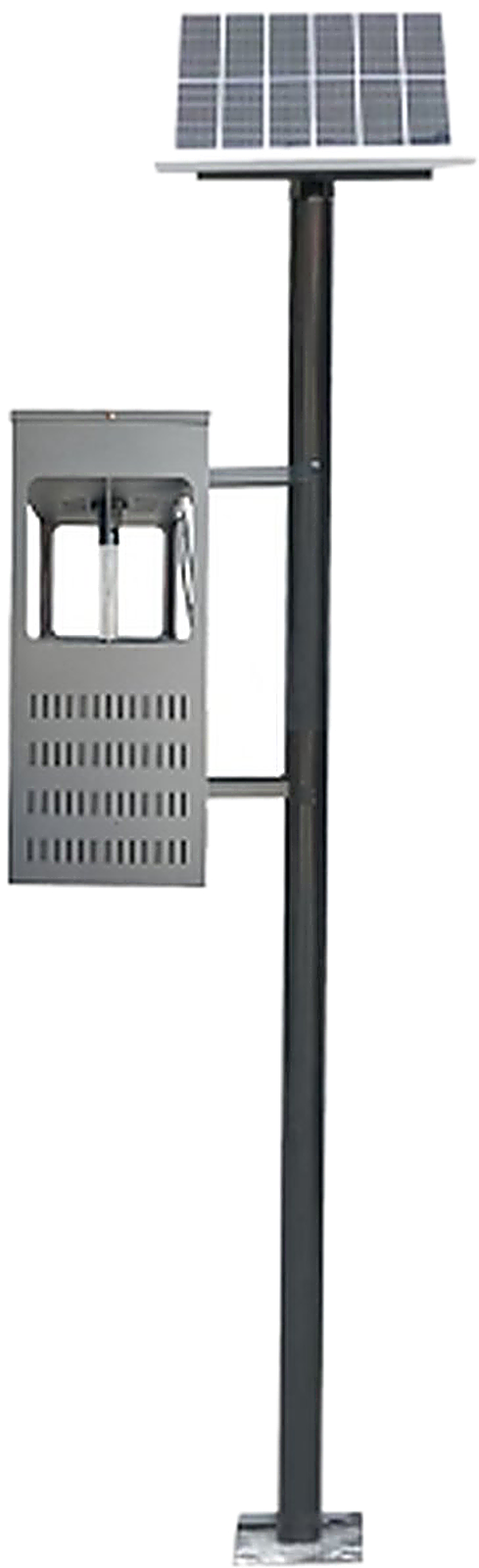
Flooded rice stays warm, sheltered, and green for months—ideal for continuous pest breeding. Planthoppers and stem borers have many generations per season, so a small adult influx becomes a field-scale outbreak fast. That is why farm pest management in rice must intercept the flying adults at the bunds, not wait for larvae in the canopy. A solar bug zapper runs every night on sunlight alone, cutting the adult pool that drives each new generation.
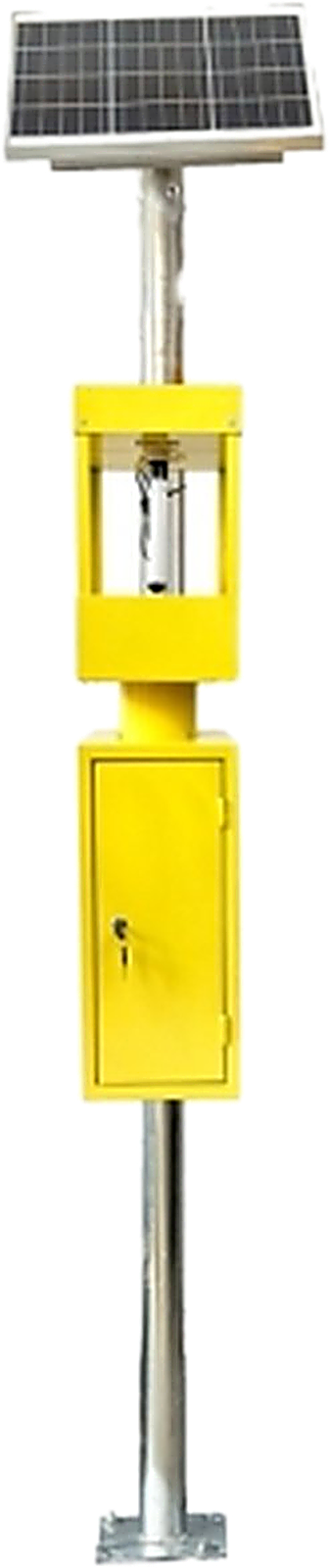
Each unit charges from the sun, runs the lure through the night, and drops catches into a tray. In a solar insect killer rice program, the lamp on the bund becomes a monitoring post: the tray shows which pest is flying before it reaches the crop.
Most rice pests fly in from周围 fields and weeds. A lamp on every second or third bund intercepts them at the edge before they reach the panicles.
By cutting blanket insecticide use, you keep spiders, predatory bugs, and frogs that eat planthoppers—the foundation of ecological rice IPM.
Tray counts tell you when action thresholds are crossed, so insecticides are used only when truly needed and resistances build slower.
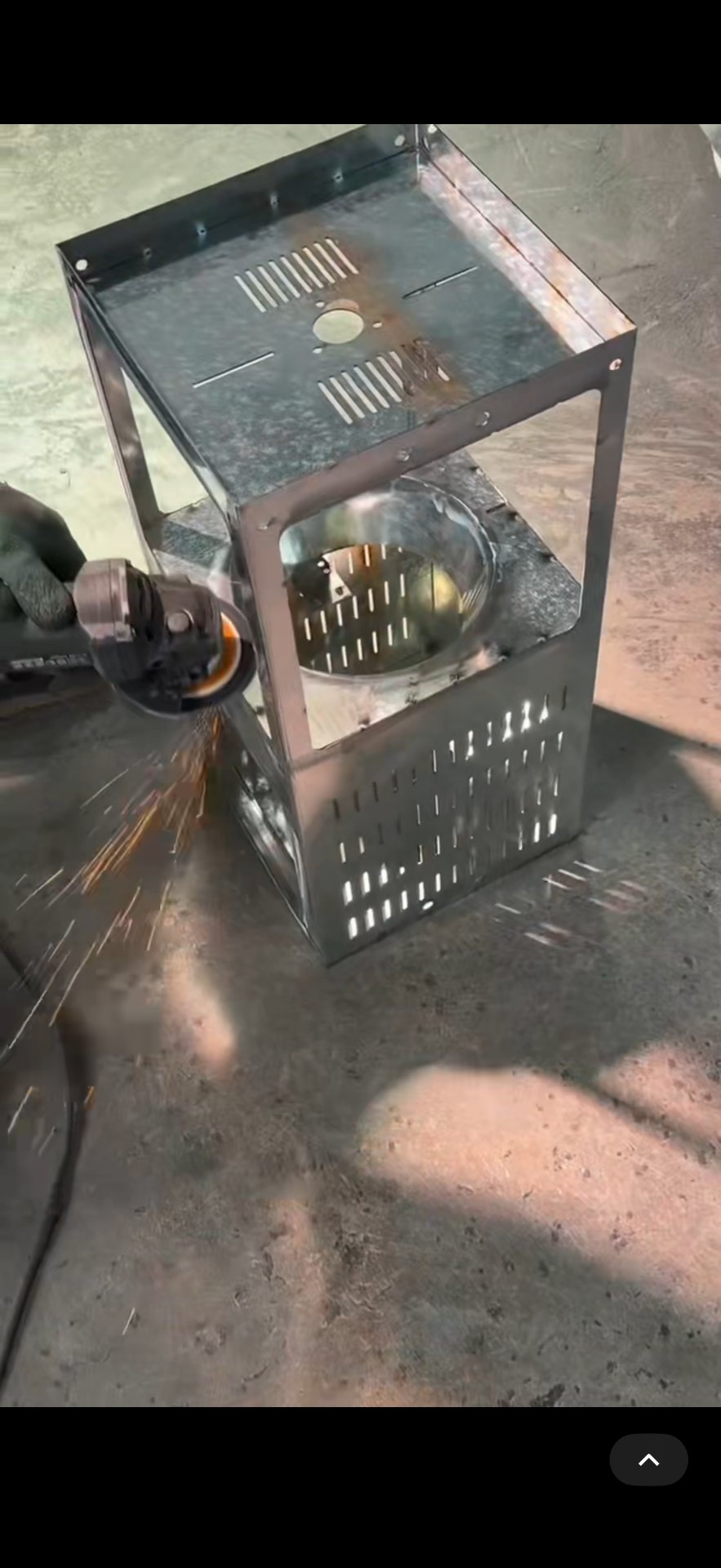
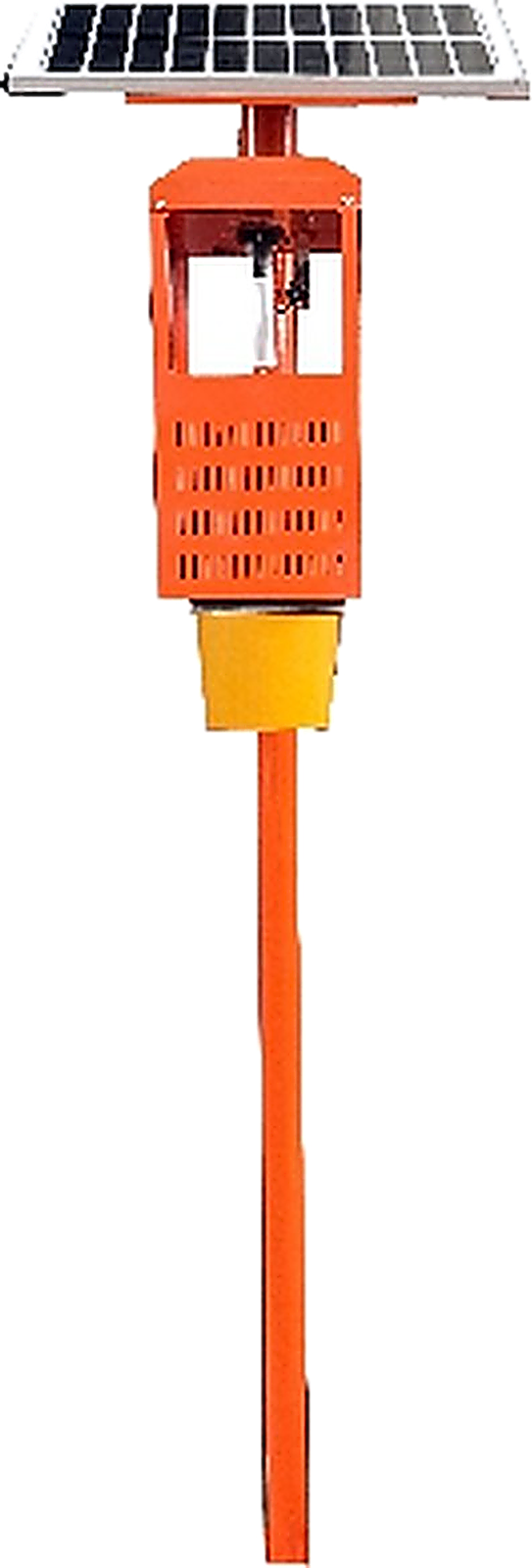
Rice margins are thin, so every saved spray pass matters. A solar insect killer rice installation has no electricity bill and a multi-season lamp life, so the payback is mostly avoided insecticide costs and protected beneficials. For cooperatives and contract growers, fewer resistance problems and steadier yields are the real dividend. Our OEM/ODM program supports custom voltages, pole kits, and private-label branding so distributors can bundle lamps with agronomy services.
Do solar insect killers replace rice insecticides?
No. They are a prevention layer within IPM. They cut adult numbers and spray frequency but pair with selective products when outbreaks cross action levels.
Will the light harm fish or beneficials in the paddy?
The lamp targets nocturnal flying pests above the water. Fish and aquatic life in the paddy are unaffected, and day-active beneficials are largely untouched.
How many units do I need per hectare of paddy?
Start with one per 0.3–0.8 hectares, denser at nurseries and lowlands, then adjust using your tray-scouting data.
Can the lamp handle flood, rain, and humidity?
Yes. The sealed, IP-rated housing is built for humid, wet paddy conditions, including monsoon rain and irrigation splash.
A solar insect killer rice program is a low-running-cost, chemical-free tool that fits paddy farm pest management by mass-trapping planthoppers, borers, and beetles, enabling early scouting and protecting natural enemies. Used on bunds and at nurseries with disciplined monitoring, it lowers spray load and supports higher, steadier agricultural pest control across the season.