
Vegetable farms live and die on appearance. A single aphid colony on a cabbage head or a row of flea-beetle shot-holes on basil can drop a pack from premium to reject at the packing shed. A solar insect killer vegetable growers deploy across the block removes the flying adults that start every infestation, before they ever land on the crop. This plan shows how a solar insect killer supports farm pest management for fresh-market vegetables from field to packout.
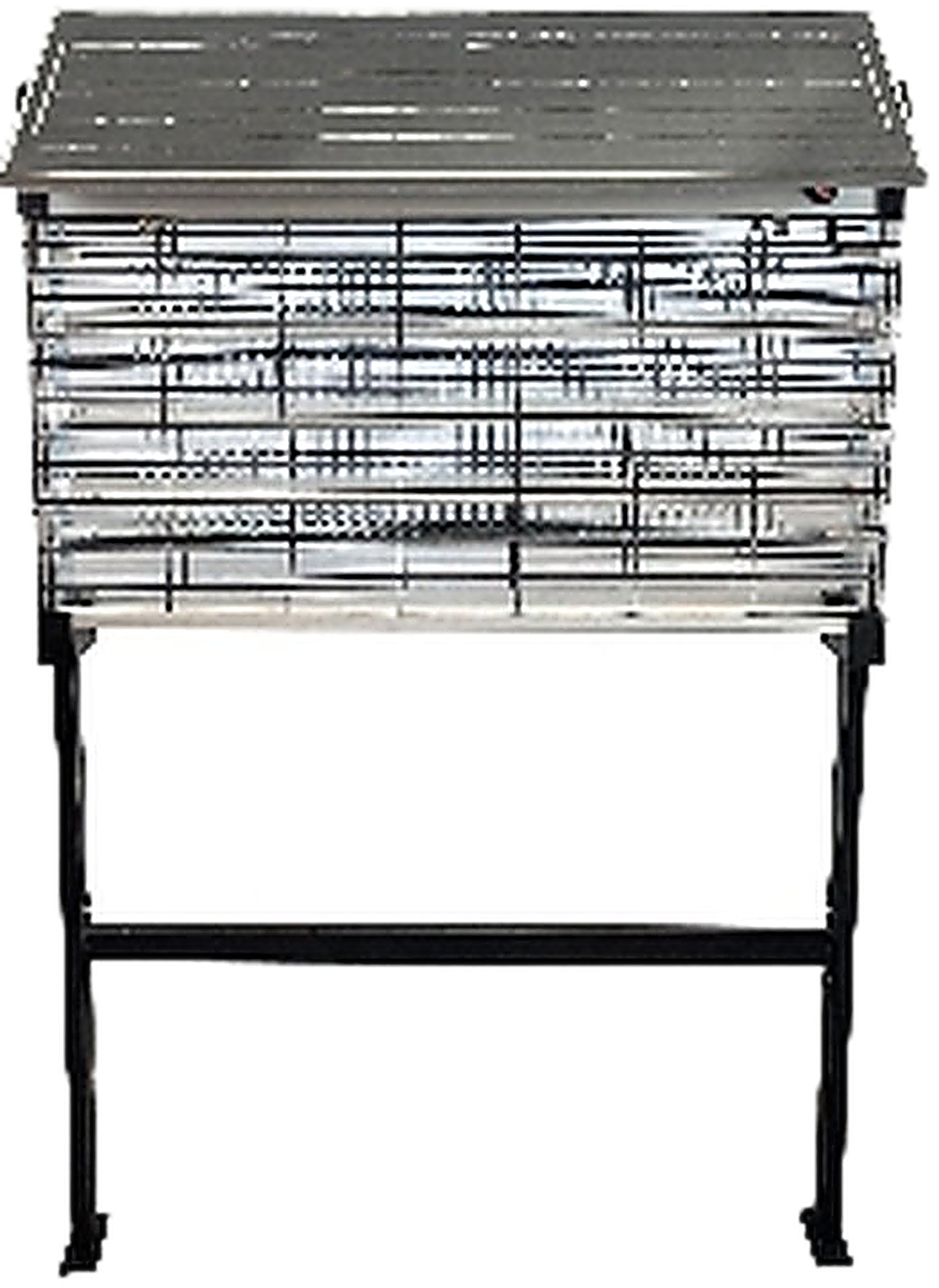
Vegetables are short-rotation, high-value, and sold on looks. Unlike grain, there is no “cleaning” step after harvest—what leaves the field is what the buyer sees. That makes agricultural pest control on vegetables a game of prevention, not rescue. A solar bug zapper strips the moth, flea beetle, and aphid adults from the air so egg-laying never starts on the tender leaves that fetch the best price.
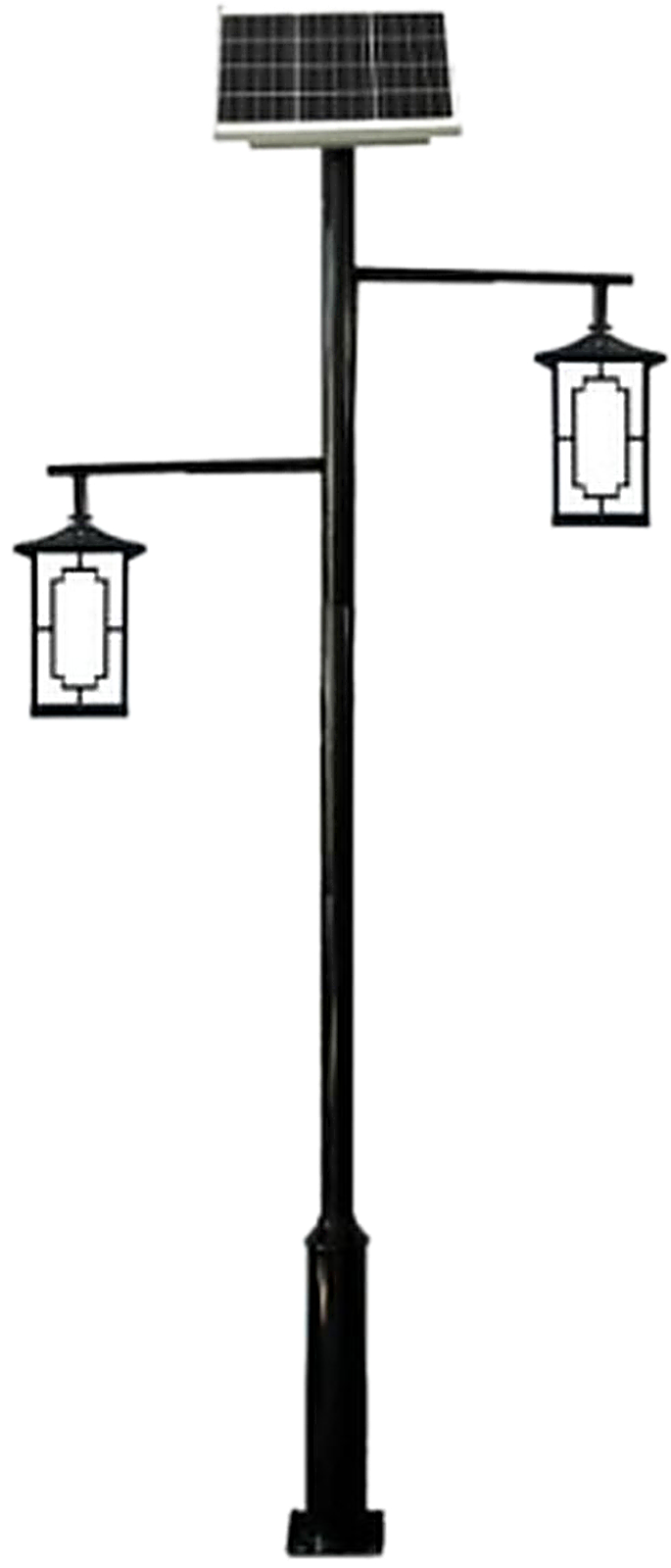
Each unit charges from sunlight, runs the lure through the night, and drops catches into a tray. In a solar insect killer vegetable program, the lamp doubles as a scouting station: the tray tells you which pest is on the move this week.
Most vegetable pests damage crops as larvae (caterpillars, maggots) or by vectoring virus (aphids). Removing the flying adult breaks the cycle at the cheapest point.
By cutting blanket sprays, you keep the ladybugs, lacewings, and parasitic wasps that eat aphids and caterpillars—the free labor every vegetable grower wants.
Tray counts per block let you time selective sprays only when action thresholds are crossed, not on a calendar.
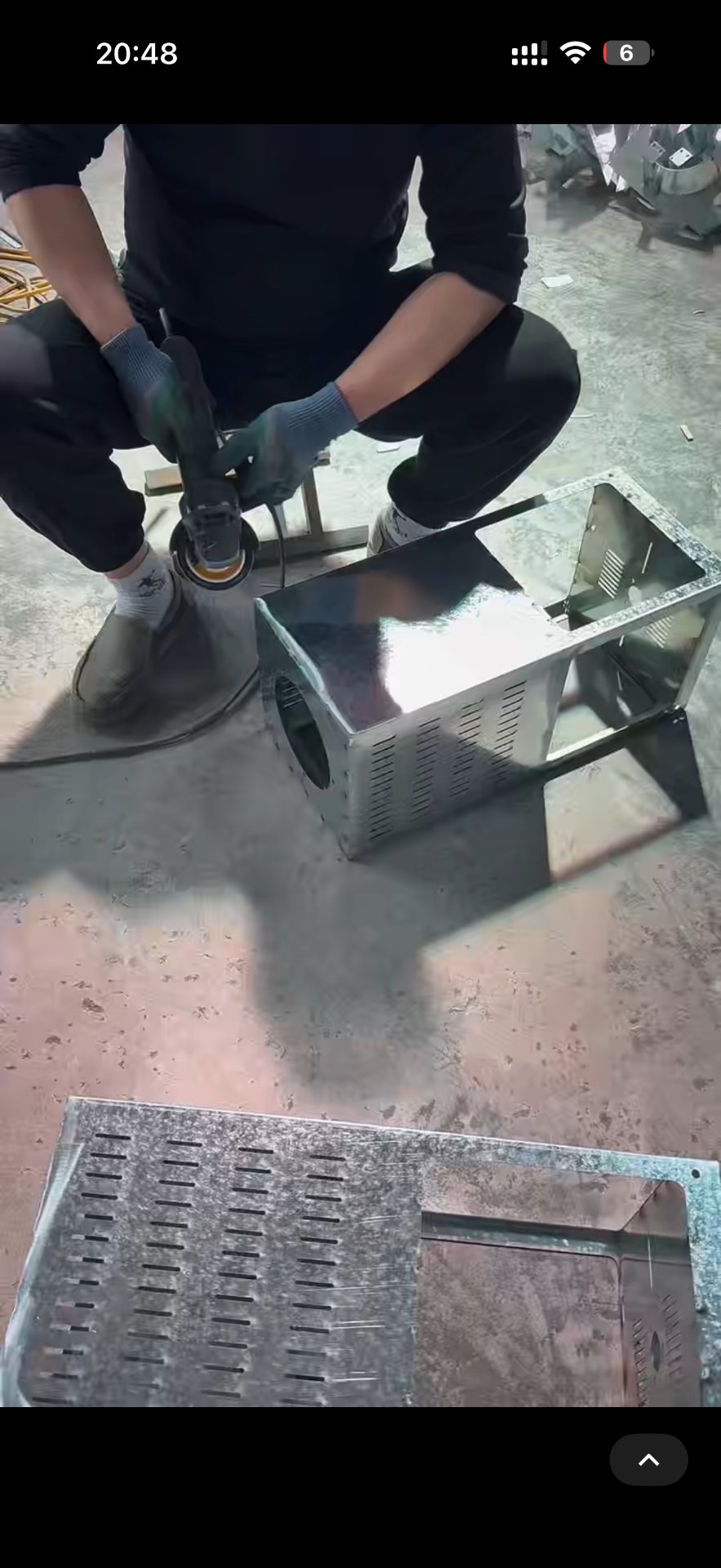
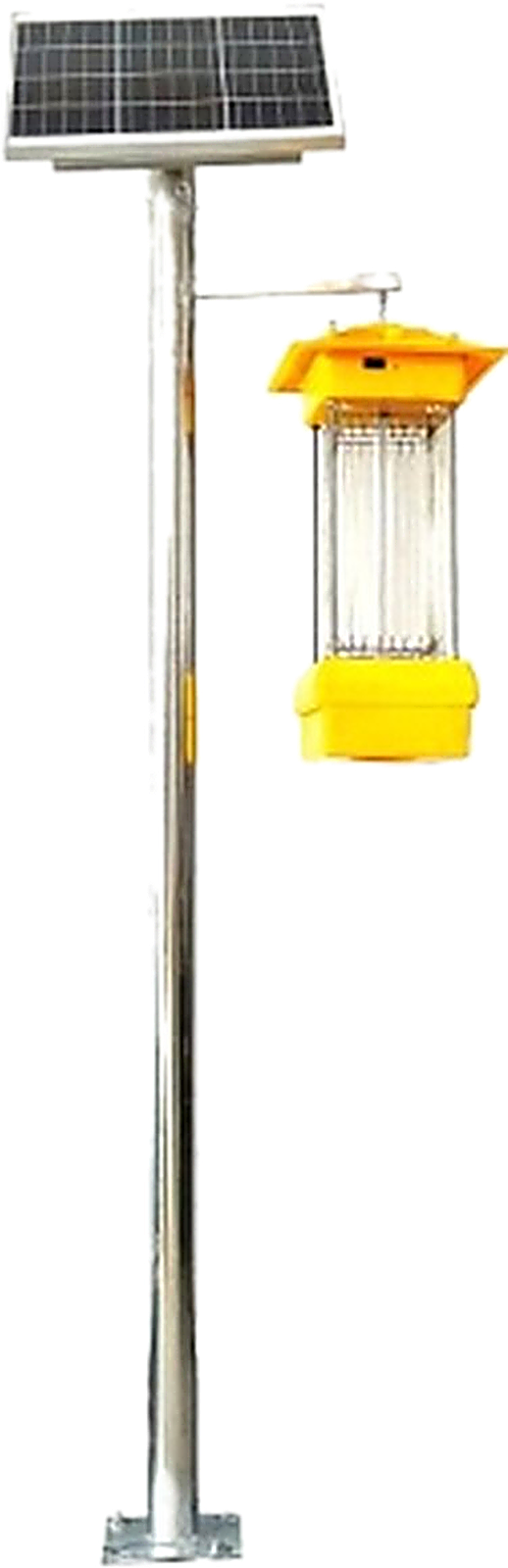
Vegetable margins come from grade and rejection rate. A solar insect killer vegetable installation has no electricity bill and a multi-season lamp life, so the payback is mostly saved spray passes and fewer downgraded packs. For CSA, farmers’-market, and export channels, cleaner packs and lower residue are themselves a price premium. Our OEM/ODM program supports custom voltages, pole kits, and private-label branding so distributors can bundle lamps with agronomy services.
Do solar insect killers replace vegetable insecticides?
No. They are a prevention layer within IPM. They cut adult numbers and spray frequency but pair with selective products when outbreaks cross action levels.
Will the light harm bees or beneficial insects?
The lamp targets nocturnal flying pests. Day-active pollinators are largely unaffected, especially when units are placed at field edges rather than inside bloom rows.
How many units do I need per hectare?
Start with one per 0.3–0.6 hectares in high-pressure margins, then adjust using your catch-tray scouting data.
Can the lamp handle field rain and dust?
Yes. The sealed, IP-rated housing is built for open-field vegetable conditions, including irrigation, rain, and dry-season dust.
A solar insect killer vegetable program is a low-running-cost, chemical-free tool that fits fresh-market farm pest management by mass-trapping moths, beetles, and aphids, enabling early scouting and protecting beneficial insects. Used at margins and tunnel doors with disciplined monitoring, it lowers spray load and supports higher-grade agricultural pest control from field to packout.