Cambodia rice farming is concentrated in the Mekong and Tonle Sap floodplains, where smallholder plots follow a wet and dry seasonal rhythm. Farmers in Cambodia face stem borers, planthoppers, leaf folders and rice bugs, often with limited access to mains electricity in the field. This article presents an illustrative planning scenario, not a measured field trial: it shows how a Cambodia cooperative might design an off-grid pest program around scouting and solar trapping.
The goal is practical agricultural pest control that works across many small plots without heavy spray costs. The scenario draws on the wider FOSIBO experience in tropical rice landscapes and should be adapted to local varieties, water schedules and extension advice before any investment decision.
In the Mekong basin, the wet season brings rapid canopy growth and repeated insect generations. A calendar spray misses the flight peaks that actually drive outbreaks. Trap counts give a weekly signal that fits a monsoon schedule far better than a fixed interval.
A Cambodia village may have hundreds of small rice parcels with narrow bunds and no grid connection. A shared solar insect killer placed on a communal bund can serve several farms, reducing the cost per household and improving area-wide suppression.
Field officers ask local farmers to mark plots with recurring stem borer or planthopper damage. The map identifies hot spots and shared bunds where a solar unit would be visible and secure. A village planning team should update this map each season rather than relying on last year’s memory.
Each village appoints two scouts who walk the same route twice a week. They record damaged hills, light-trap catches and crop stage. In the Cambodia scenario, the scout data goes to a simple wall chart that everyone can read, keeping decisions transparent across the group.
Units sit on raised bunds above the canopy, clear of shade from palm rows and homesteads. During flood periods the pole base is inspected after heavy rain. A solar bug zapper that is tilted or submerged stops charging, so the Cambodia team checks the mounting after every storm.
When nightly captures rise for three consecutive nights, scouts intensify field checks. Sprays, where justified, are targeted at that window instead of applied monthly. This is the central discipline of the Cambodia scenario: trap data triggers action, not the calendar.
Rice fields host spiders, ladybirds and parasitic wasps that suppress planthoppers naturally. Broad-spectrum sprays remove these allies and often trigger a rebound. The Cambodia plan reserves selective products for threshold situations and keeps unsprayed refuges along field margins.
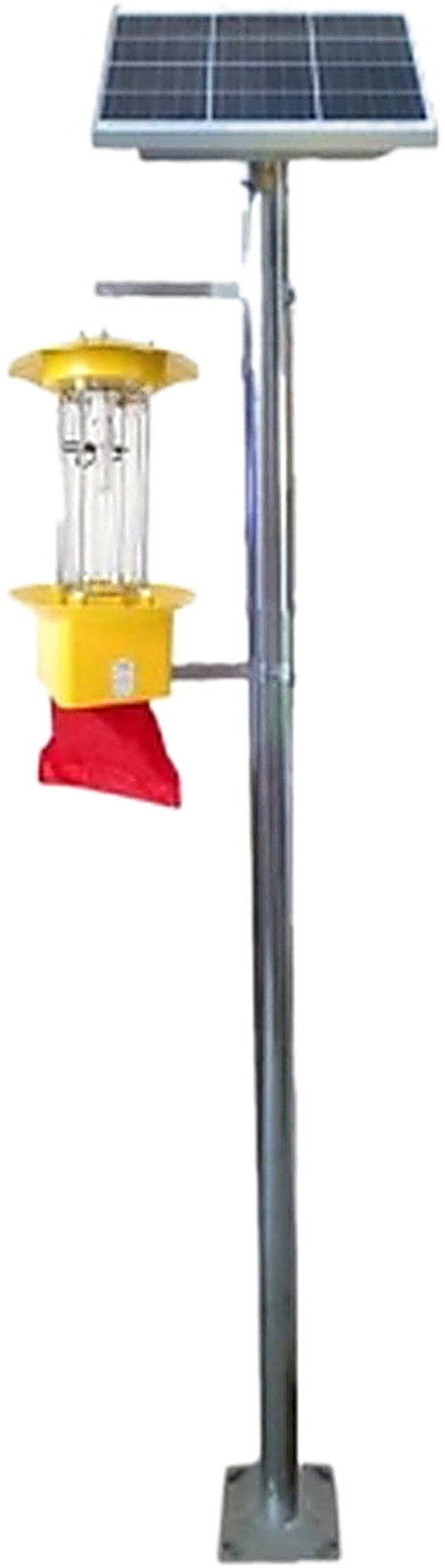
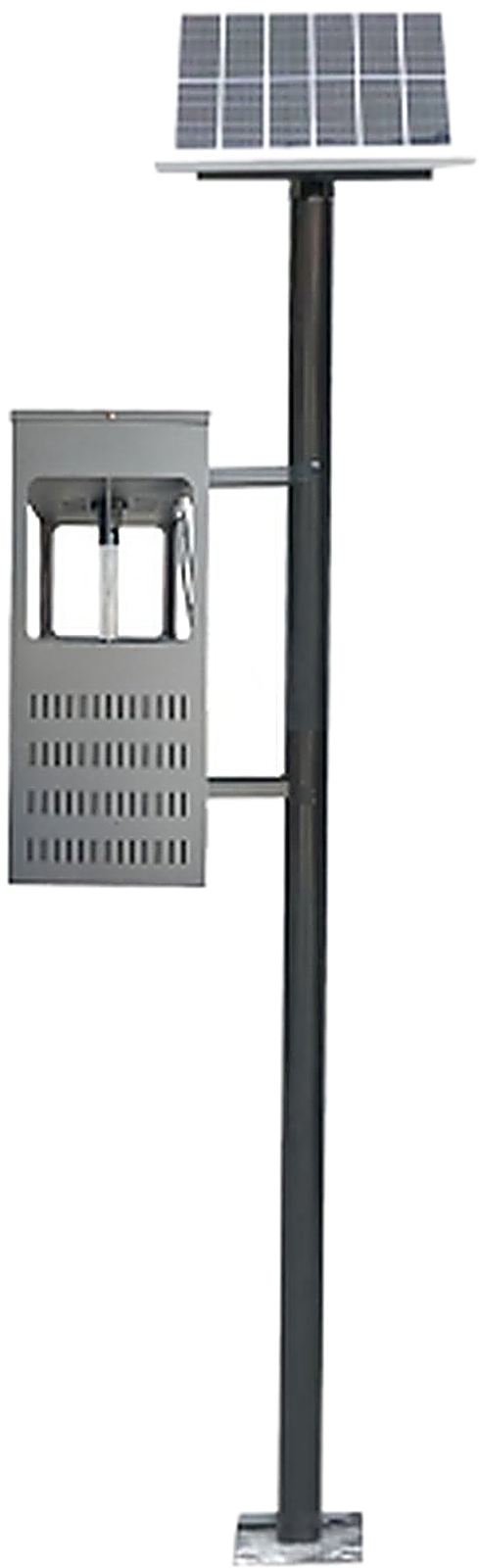
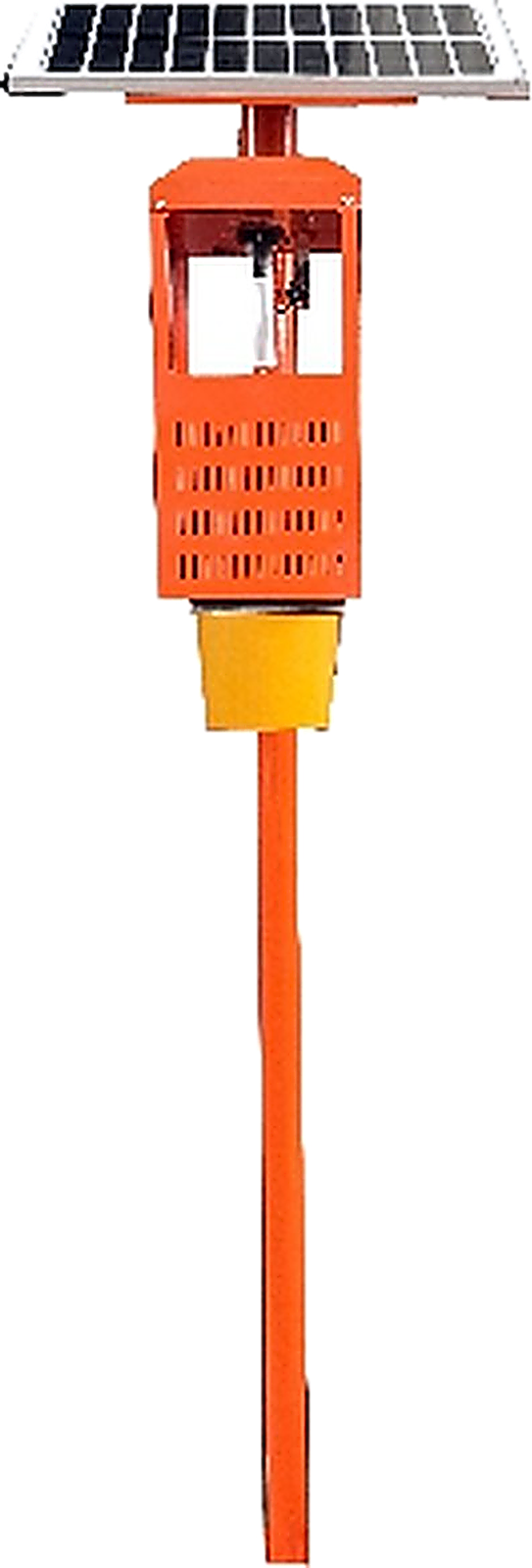
A single wind-suction solar insect killer covers a cluster of small parcels from a central bund. It catches flying moths and bugs overnight without fuel or wiring. For Cambodia smallholders, that shared model lowers the entry cost and turns the device into a village-level monitoring point for farm pest management.
Each week the Cambodia coordinator logs trap counts, scouting scores and any treatment. At harvest, yield and damage are added to the same sheet. Over several seasons the record becomes a local decision tool that no outside consultant can replace.
A rotation of two households per village cleans the collection chamber weekly and checks the panel for dust. In this scenario, a simple logbook records the date of each empty and any fault. Shared ownership only works when the maintenance duty is explicit.
The up-front cost of a solar trap is higher than a single spray, but the unit works across seasons. Savings come from fewer blanket applications and better timing. A farming group should compare three seasons of spray spend before judging the investment, not one.
Dry-season rice has different pest pressures and lower rainfall. Traps can be repositioned toward irrigated blocks where green canopy persists. The local team reviews placement at each crop transition instead of leaving units fixed all year.

Use this guide alongside the references below to build a complete, defensible programme.
For deeper technical and regulatory context, see the FAO Integrated Pest Management and the EPA safe pest control.
Is this Cambodia scenario based on field trial results? No. It is a planning illustration built from regional rice IPM practice and off-grid trapping experience. Validate all assumptions with local trials and extension services.
Which pests can a solar bug zapper monitor in rice? Flying moths such as stem borers and leaf folders are the main targets. Planthoppers are weak fliers, so scouting remains essential for them.
How many plots can one unit serve? It depends on layout and terrain. In the Cambodia scenario a central bund position serves a cluster of neighbouring parcels; adjust after reviewing capture data.
What happens to the unit during monsoon floods? Move the mounting pole above the expected water line and inspect the base after storms. Keep the panel clean so charging continues.
Can this plan support organic rice certification? Trapping, scouting and biological controls generally fit organic systems. Check every input against the certification standard before use.