
Wireworm is the soil-dwelling larva of the click beetle, and it damages crops from below the surface where scouting is slow and sprays rarely reach. Growers usually discover a wireworm problem after planting, when potato tubers carry holes, maize stands thin out, or vegetable transplants wilt despite adequate water. Effective wireworm control has to start earlier, with the adult beetle flight, and then continue through soil and crop management.
This guide gives commercial growers and exporters a practical program: soil assessment, rotation, baiting, biological tools and the role of a solar insect killer in farm pest management. It is written for teams that need dependable agricultural pest control without adding routine insecticide sprays to every season.
A wireworm feeds on roots, tubers and germinating seed for months, often two or more seasons. By the time above-ground symptoms appear, feeding has already reduced the harvestable portion of the crop. A wireworm control plan built only on visible symptoms is always one step behind the pest.
Click beetles emerge in warm evenings and fly between fields at dusk. They are attracted to light and easy to monitor with traps. Suppressing the adult flight reduces egg laying, which lowers the next generation of wireworm in the soil. That is the logic behind using a solar bug zapper as both a monitoring sensor and a suppression tool.
Sample soil in a fixed grid and count larvae per square metre. Mark hot spots in a simple field map. Wireworm density is usually patchy, following old grass margins, manure bands or neglected headlands. Whole-field treatment is rarely justified when only a few zones carry a damaging population.
Long grass and small grains favour egg laying and larval survival. Where the rotation allows, break an infested block with a non-host crop for two seasons. Rotation does not erase a wireworm population quickly, but it lowers the pressure enough for other measures to work.
Use adult captures as a biological calendar. If beetle flights peak in late spring, delay susceptible plantings where the market window permits. Early or late placement away from the flight peak is a low-cost wireworm control measure that needs no chemical input.
Bait traps made with germinating grain or potato pieces can draw larvae away from the crop. Place them along the hot spots identified in the soil map and lift them on a fixed schedule. Baiting is a supporting tactic, not a standalone cure, but it gives a useful check on local wireworm activity.
Ground beetles, rove beetles, birds and entomopathogenic nematodes all reduce larval survival. Reduce broad-spectrum applications that wipe out these allies. Where biologically based products are registered locally, apply them to moist soil in the evening for better establishment. Conserving predators makes wireworm control more stable year after year.
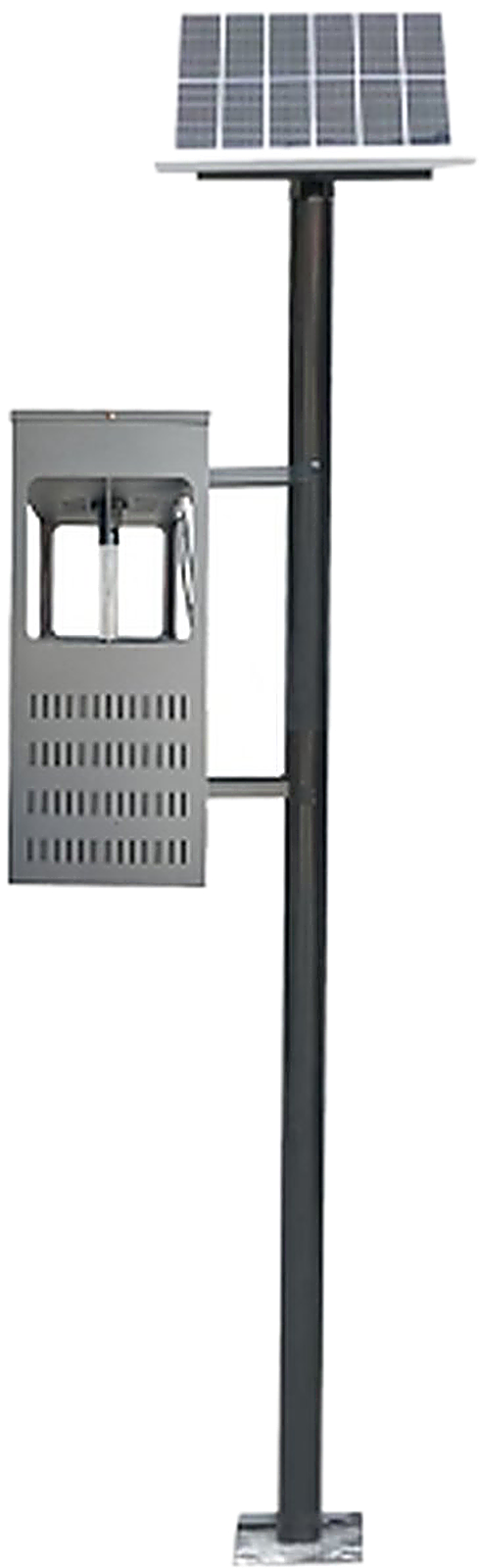
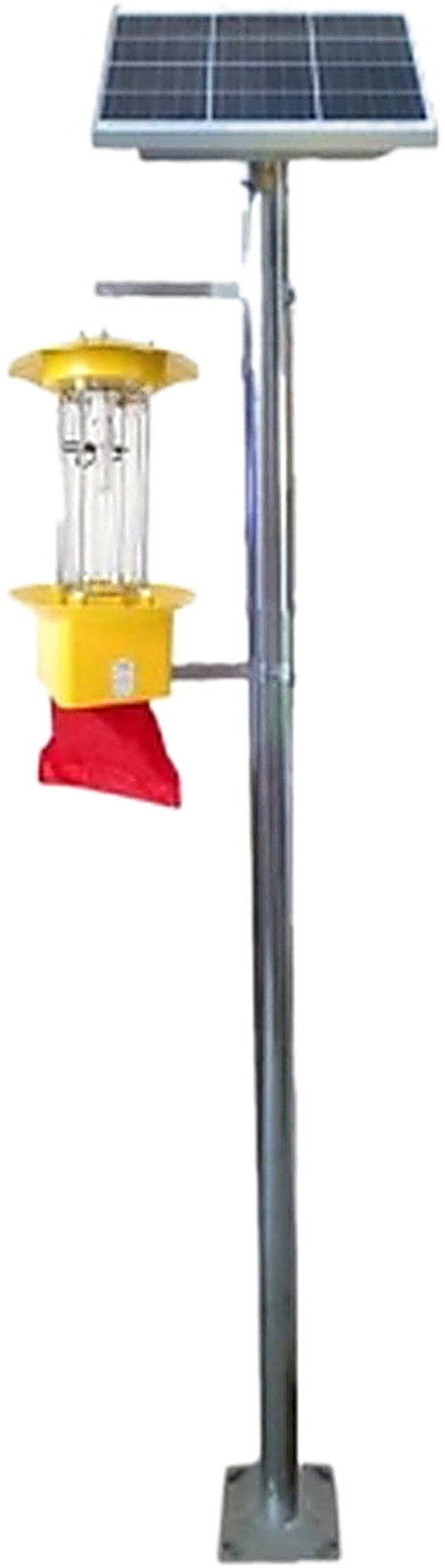
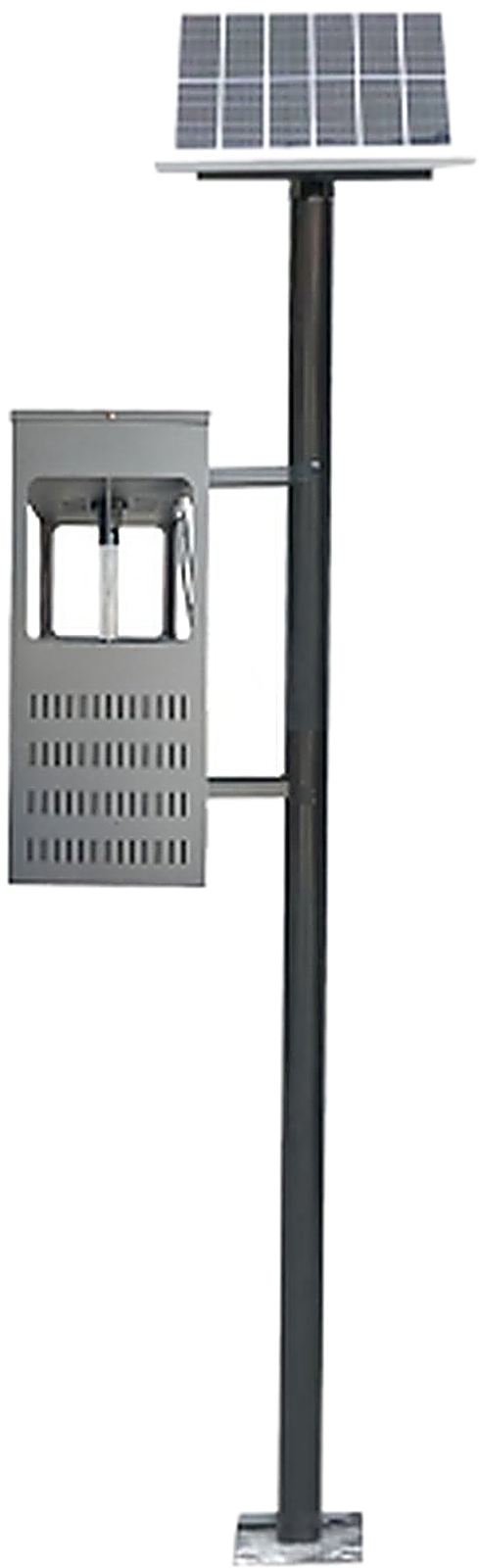
A wind-suction solar insect killer runs off-grid and catches flying click beetles through the night without mains wiring. Place units along upwind boundaries and near grassy headlands where beetles emerge. Empty the collection chamber weekly and log beetle counts by date. The device supports agricultural pest control by cutting adult numbers and giving an early signal of flight intensity.
Weigh damaged tubers or missing plants at harvest and compare with the pre-season soil map. That closes the loop: if hot spots match damage, the wireworm control program needs stronger action in those zones next season. If damage stays low, the same plan can be maintained with lighter intervention.
Mount traps above the crop canopy on isolated poles, clear of shading trees and buildings. On large blocks, arrange units so that every part of the field sits within a practical walking distance of a trap. Track captures at each point and move units toward consistently high-count positions. A solar bug zapper placed in deep shade loses charging capacity and stops working before the flight ends.
A sudden rise in nightly beetle captures signals egg laying within days. Use that signal to intensify soil scouting and prepare bait traps, rather than spraying on a fixed calendar date. Falling counts after a suppression phase confirm that adult pressure is dropping.
Run traps from first spring flight through the late-summer activity window. Keep a season-long record and compare it with damage figures at harvest. Over two or three seasons, that record becomes a local flight calendar that improves every wireworm control decision.

Use this guide alongside the references below to build a complete, defensible programme.
For deeper technical and regulatory context, see the FAO Integrated Pest Management and the EPA safe pest control.
Can a solar bug zapper eliminate wireworm on its own? No. It reduces the adult beetle population and provides a flight signal, but soil scouting, rotation and biological tools remain necessary for reliable control.
When should I scout soil for wireworm larvae? Sample before planting and again in autumn when soil is moist and larvae are near the surface. Keep the same grid each time so counts are comparable.
Are solar traps safe for beneficial insects? Wind-suction units with correctly sized intake and guard meshes catch far fewer large beneficial insects than open electric grids. Check local guidance before deployment.
Does wireworm control fit an organic program? Yes. Rotation, baiting, biologicals and solar trapping are compatible with most organic systems. Verify any input against the certification rules you follow.
How often should the collection chamber be emptied? Weekly during the flight season and after heavy rain. A full chamber weakens airflow and reduces capture efficiency.