
Corn earworm is the larval stage of a noctuid moth that attacks maize, sorghum, cotton, tomato and many legumes. Growers often meet the pest at harvest, when damaged ears and stained grain reveal a problem that started weeks earlier. Effective corn earworm control depends on catching the adult flight before eggs are laid, then protecting the crop with a layered program rather than a single rescue spray.
This guide covers the tactics that make control reliable in field conditions: scouting, threshold-based decisions, crop hygiene, biologicals and the role of a solar insect killer or solar bug zapper in farm pest management. It is written for commercial growers and exporters who need consistent agricultural pest control with fewer chemical interventions.
Female moths lay eggs on silks and young ears. Larvae hatch, tunnel inward and feed where contact sprays cannot reach them. By the time frass appears at the ear tip, the damage is already inside the cob. Any corn earworm control program that waits for visible symptoms is treating the outcome, not the cause.
Adult moths are strong fliers and move between fields at dusk. A single farm cannot solve the problem alone, which is why area-wide suppression and agricultural pest control across neighbouring blocks produce better results. Traps that reduce the adult population lower egg laying pressure across the whole landscape.
Walk a fixed route through the field and check fresh silks for eggs and small larvae. Record counts per ear on a simple chart. Rising moth captures in a solar trap should trigger more intensive scouting rather than an automatic spray.
Control works best when treatments coincide with the first sustained moth flight. Use trap counts as a biological calendar. A solar insect killer placed at the field edge gives a nightly index that is far more responsive than a fixed calendar schedule.
Where locally adapted, choose varieties with tight husk coverage and shorter silk exposure. Adjust planting dates so the most vulnerable silking stage avoids the historic peak flight. This cultural step reduces dependence on any single corn earworm control input.
Destroy volunteer maize and weeds that host larvae between seasons. Deep till or shred residue where erosion rules allow. Clean field edges remove the overwintering reservoir that restarts the next generation of this pest.
Ladybirds, lacewings, parasitic wasps and birds take a steady toll on eggs and larvae. Broad-spectrum sprays wipe out these allies and often make later control harder in the following weeks. Select selective products and spray only when thresholds are crossed.
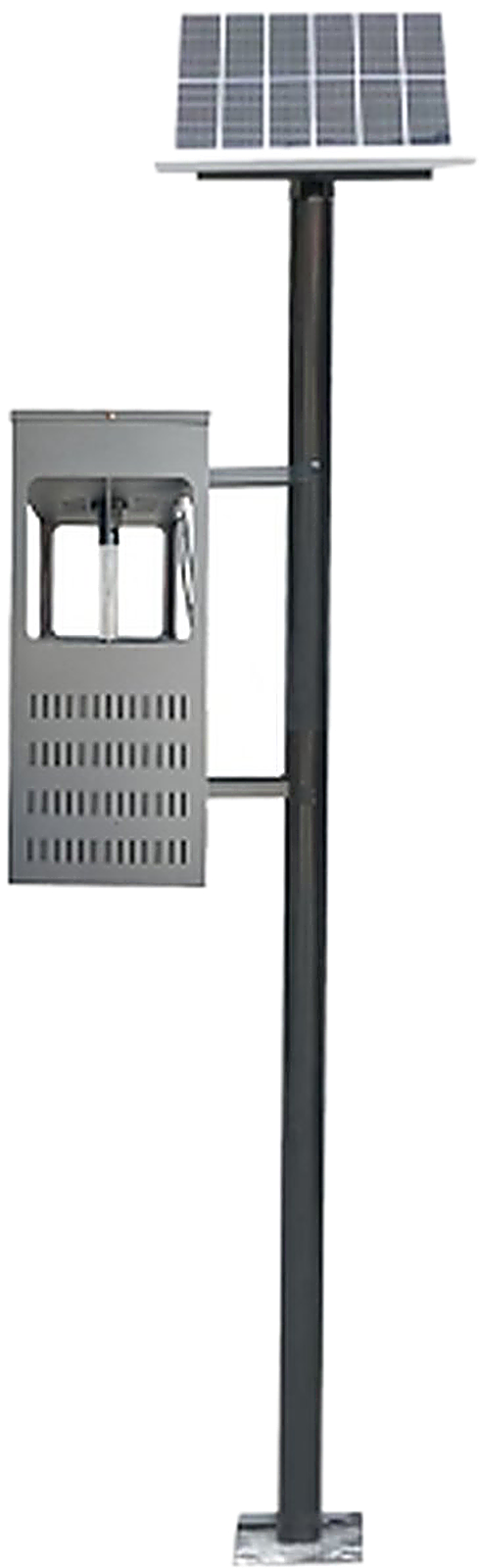
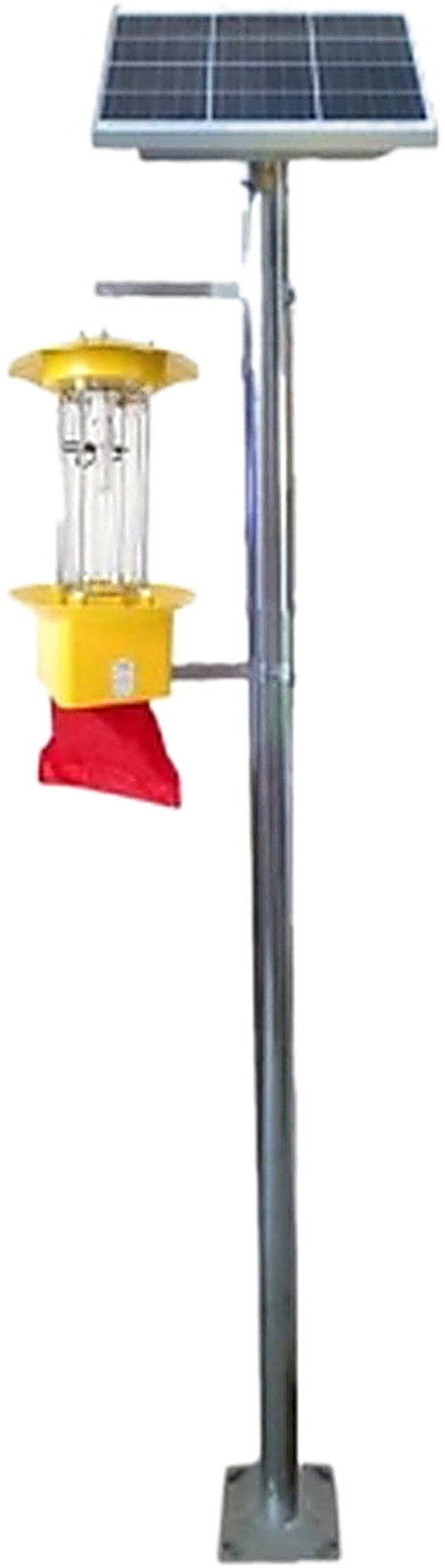
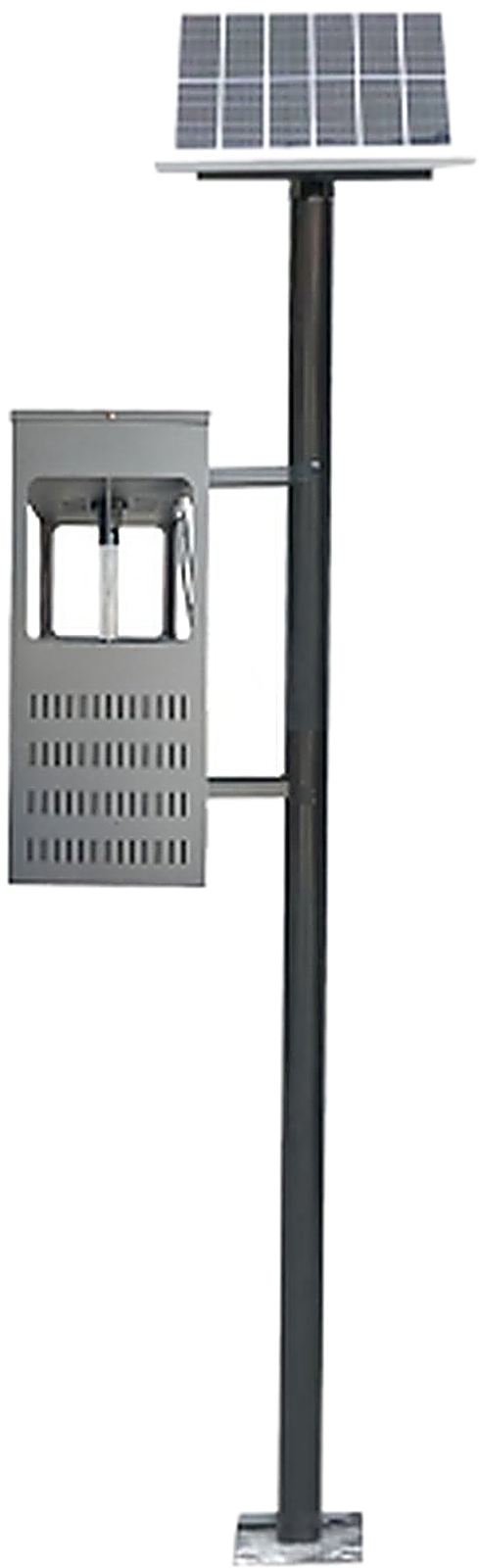
A wind-suction solar bug zapper runs off-grid and catches flying moths through the night without mains wiring. Position units along upwind boundaries and near light sources that draw moths in. Empty the collection chamber weekly and log captures by species. Used this way, the trap is both a suppression tool and a monitoring sensor for farm pest management.
No single device replaces scouting, resistant varieties and biologicals. The solar trap is one layer in a plan that also covers irrigation, nutrition and harvest timing. Stacked measures keep control stable when weather shifts flight patterns.
Mount traps above the crop canopy on isolated poles, away from shading buildings and trees. On large blocks, use a grid so that every point is within a practical walking distance of a unit. Spacing depends on terrain and prevailing wind; record captures at each point and move units toward consistently high-count zones.
A sudden jump in nightly captures usually precedes egg laying by a few days. Combine that signal with silk scouting to decide whether corn earworm control action is justified. Declining counts after a suppression phase confirm that the adult population is falling.
Leave traps operating from first moth flight through harvest, then continue into the post-harvest window to catch late activity. A season-long record builds a local flight calendar that improves next year’s control decisions.

Use this guide alongside the references below to build a complete, defensible programme.
For deeper technical and regulatory context, see the FAO Integrated Pest Management and the EPA safe pest control.
Does a solar bug zapper eliminate corn earworm on its own? No. It reduces adult moth numbers and provides a monitoring signal, but an integrated plan still needs scouting, hygiene and selective treatments where thresholds are exceeded.
Where should I place a solar insect killer for corn earworm control? Put units on field edges and upwind boundaries above the canopy, away from shade. Track captures and reposition toward high-count zones.
How often should I check the collection chamber? Weekly during the flight season, and after storms. A full chamber reduces airflow and weakens capture efficiency.
Is this program compatible with organic certification? Yes. Trapping, scouting, hygiene and biologicals fit organic systems. Check the rules for any spray you add before use.
When is the best time to act on trap counts? At the first sustained rise in nightly captures, cross-checked with silk scouting. Acting early is the core of effective control.