
Zambia’s long dry seasons, dispersed smallholdings, and limited grid access make pest control a logistical problem as much as a biological one. A spray program that depends on a truck, a pump, and a timely supply delivery will fail in many districts. This case study follows how solar traps were introduced across mixed farms and what the first full season taught about practical, off-grid agricultural pest control.
Zambia has a favorable sun resource for most of the year, yet only a fraction of rural plots have reliable electricity. That combination matters for pest management. A solar insect killer can operate at a field edge through the night without wiring, diesel, or daily attention, which suits the dispersed layout of smallholder blocks and commercial outgrower schemes alike.
The second driver is timing. In Zambia, the first significant moth flights often arrive before scouts can confirm damage in the crop. A solar bug zapper collecting insects nightly converts that invisible pressure into a number that a field manager can act on the next morning.
The central and southern plateau carries most of the maize and soybean area. Here the recurring problems are stem borers, armyworms, and beetle pests whose adult flights begin in the early rainy season. Farmers typically respond after larvae are already inside stems, so prevention has limited value. Trap counts give an earlier signal and let scouts concentrate on the blocks with real flight activity.
Along the irrigation schemes and the urban supply belts around Lusaka and other towns, farmers grow tomato, cabbage, onion, and leafy vegetables almost year-round. Whitefly, thrips, aphids, and fruit fly dominate. Because produce is sold into fresh markets with short residue intervals, growers in Zambia are under growing pressure to find non-chemical tools that fit a farm pest management plan.
Traps were placed before the first expected flight, not after damage appeared. Each unit sat on a pole at the upwind field edge, clear of tall crops and away from strong yard lighting that could compete with the attractant lamp. On larger farms, two or more units were spaced so that catches represented different parts of the property.
Field staff emptied the collection chamber at the same time each morning and recorded the count against crop stage and weather. The routine took minutes. No special training beyond a short demonstration on safe handling and cleaning was required.
| Observation | Practical response |
|---|---|
| Catch numbers rose three nights before larvae were found | Scouting shifted forward by several days |
| Catches stayed low after a dry, cool spell | Sprays were delayed and beneficial insects preserved |
| Edge traps caught far more than interior traps | Placement moved toward the neighboring host crop |
| Chamber filling accelerated in the late dry season | Cleaning schedule increased to daily |
The pattern was consistent across the Zambia sites: trap data did not replace walking the field, but it told the team where and when to walk.
1. Install before the pest arrives. A baseline count is worth more than a dramatic catch later in the season. 2. Keep placement fixed. Moving a trap mid-season breaks the comparison and makes trends useless. 3. Read counts as a trend, not a single number. Three consecutive rising nights are more meaningful than one big catch. 4. Combine with scouting in Zambia’s mixed crops. Vegetable blocks can harbor several pests at once, and trap catches cannot identify every one. 5. Protect the equipment. Simple pole mounts and sensible siting reduced damage from livestock and wind. 6.
Use the data in buyer conversations. Residue-conscious markets respond well to a documented agricultural pest control program. 7. Plan the service cycle. A solar insect killer with replaceable parts stayed in use while cheaper units were abandoned after one failed battery.
The obvious saving is labor and spray material, but the more valuable saving is avoided timing errors. A delayed intervention in maize can cost far more than the trap itself. In horticulture, the ability to demonstrate reduced spraying helped some Zambia growers qualify for tighter market specifications.
Constraints are real. Dusty roads and long distances make spare parts planning important. Theft and vandalism are a concern in remote sites, so visible mounting hardware and community awareness matter. And traps cannot solve soil-borne problems or pests that never fly. Presenting a solar bug zapper as one layer of farm pest management, rather than a complete solution, kept expectations realistic and the program credible.
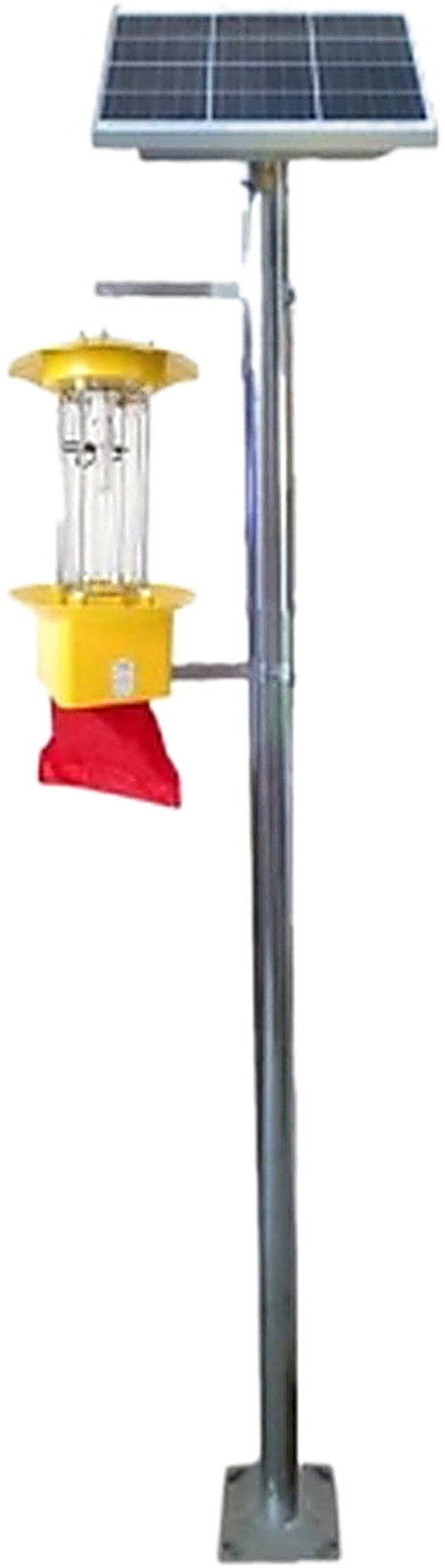

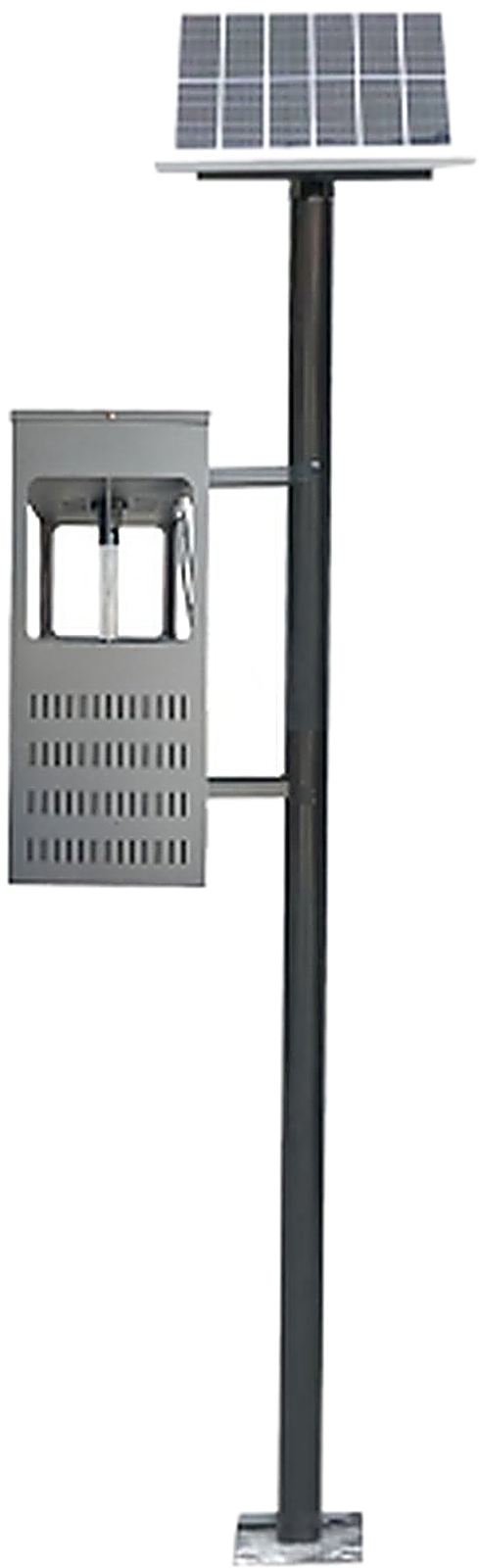
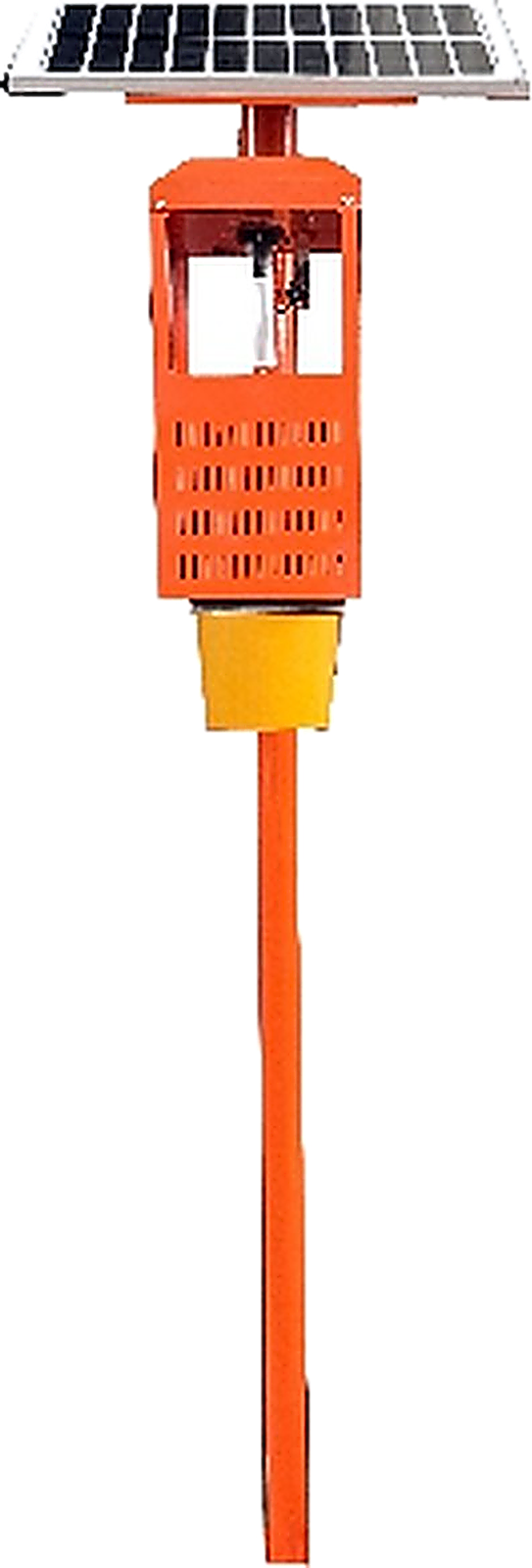
Use this guide alongside the references below to build a complete, defensible programme.
For deeper technical and regulatory context, see the FAO Integrated Pest Management and the EPA safe pest control.
Yes, provided the unit is rated for outdoor moisture and placed where water does not pool around the base. Cloudier weeks reduce charging, so check the battery status regularly.
Irrigated vegetables and field crops with strong flying adult stages, including maize, soybean, and tomato, give the clearest signal.
Start with one per block or per side of a large field, then add units where catches are consistently high and scouting confirms pressure.
It can support reduction by timing treatments more precisely. It does not eliminate the need for scouting or for targeted products when thresholds are exceeded.
No. Counting the chamber, recording the number, and cleaning the unit are simple tasks that fit an existing morning routine.
Across Zambia, the lasting benefit was not the number of insects caught. It was the creation of a daily, low-cost information loop that made every pest decision earlier and more defensible.