
Across the Gulf States, agriculture is an act of determination. Date palms stand in sand, greenhouses cool tomatoes through forty-degree summers, and farms rely on imported water and carefully managed inputs. Solar insect killer programs across the region have grown fast because they fit this environment: no grid connection in remote desert blocks, no daily fuel run, and no extra spray pass over a crop that is already heat-stressed.
These six nations share a climate that few other farming regions match. Summer canopy temperatures can exceed 45°C, airborne dust coats every surface, and sandstorms can darken skies for a day or more. Rainfall is scarce, so irrigation is controlled and fields are often isolated by long stretches of open sand.
Those conditions shape every decision in agricultural pest control. Insects reproduce quickly in the warm months, yet the same heat limits how long workers can safely scout a field at midday. A solar bug zapper operating unattended through the night fills a gap that manual labor cannot cover, and it does so without adding water or chemical inputs to a tightly managed system.
In this region, panel capacity is rarely the limiting factor. Solar irradiance is among the highest in the world, so a correctly sized panel charges early and often. The real enemy is heat. Batteries age faster when they sit in a sealed, sun-baked cabinet, and charge controllers derate when internal temperatures climb.
Field teams in the Gulf States report the best results from light-colored enclosures, shade structures over the battery box, and elevated mounting that allows airflow beneath the unit. Choosing a battery chemistry that tolerates high temperatures matters more here than in any temperate market.
Fine dust penetrates ordinary housings and settles on panels, fans, and collection trays. In desert deployments across the region, crews clean panels on a fixed schedule rather than waiting for a visible drop in performance. A two-week interval during dust season is common; after a sandstorm, cleaning is immediate.
Suction-based traps have an advantage here. A sealed collection chamber keeps sand and insect debris separate from the fan and grid, so a unit that is cleaned on schedule keeps catching rather than clogging. Farms that skipped this routine saw steady declines in nightly captures that were wrongly blamed on low pest pressure.
Date palm plantations dominate the agricultural landscape of the Gulf States, and their tall canopies change everything about trap height. A lamp mounted below the fruit bunches is screened by fronds and catches little. Units raised above the canopy or set along irrigation lines and boundary roads give a much clearer attraction radius.
Protected agriculture is the other growth area. Greenhouses across the region often use insect-proof netting, which changes how moths and flies move. Traps placed just outside ventilation openings and doorways intercept insects at the points where they enter, complementing the netting rather than duplicating it.
Summer fieldwork in the Gulf States starts before sunrise and ends by late morning. There is little appetite for an extra evening scouting round. Automated devices that switch on at dusk and log a nightly catch let a small team review data in the cool of the morning and decide whether a field needs attention.
Because farms are isolated, local trap records are easy to misread. A quiet night may mean low pest pressure, or it may mean the wind shifted. Programs in the Gulf States that share catch data across neighboring farms build a far more reliable picture of regional movement. That cooperative approach turns individual solar insect killer units into an area-wide monitoring network.
The final lesson from the Gulf States is commercial. A low-cost unit with no spare parts plan becomes an expensive problem three seasons in. Buyers who specify sealed components, replaceable batteries, clear warranty terms, and local service support see far better long-term uptime. In a hot, dusty market, serviceability is not a luxury; it is the difference between a working trap and an ornament.
The Gulf States show that solar trap programs succeed when hardware is matched to climate rather than copied from a cooler region. Prioritize heat-tolerant batteries, sealed housings, disciplined panel cleaning, and placement that respects tall canopies and protected cropping. Do that, and a solar insect killer becomes a dependable layer of farm pest management in conditions that defeat many conventional tools.
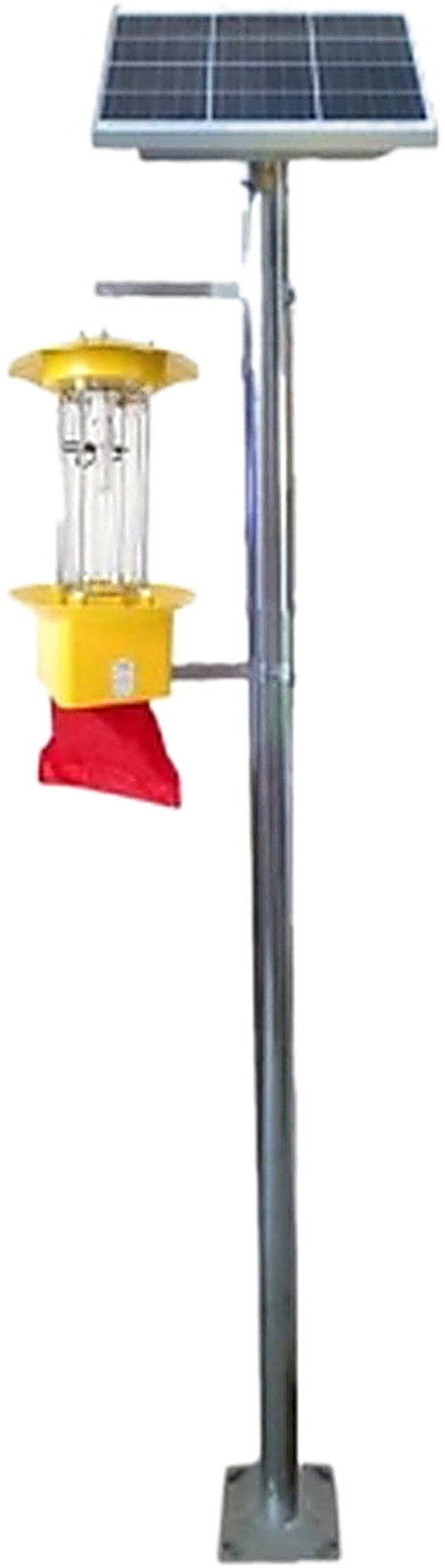


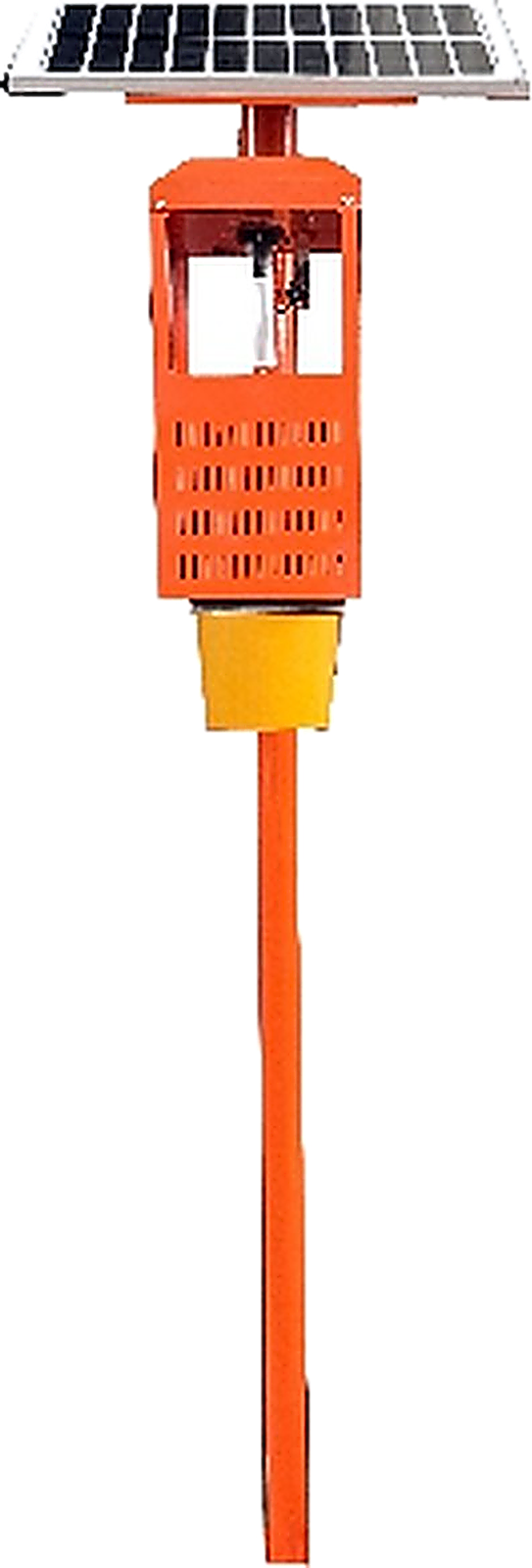
Use this guide alongside the references below to build a complete, defensible programme.
For deeper technical and regulatory context, see the FAO Integrated Pest Management and the EPA safe pest control.
Yes, provided the battery and electronics are rated for high temperatures and the enclosure is shaded and ventilated. Heat, not sunlight, is the main failure driver in the Gulf States.
Every one to two weeks during dust season, and immediately after a sandstorm. Dust buildup directly reduces charging and nightly catch performance.
They work best as part of an integrated program. Trapping reduces adult populations and improves monitoring, but high-value date crops may still need targeted treatments when thresholds are crossed.
Yes. Units are typically placed at doorways and ventilation openings to intercept insects entering the structure, working alongside insect-proof netting.