
Building a branded pest-control line lets distributors capture margin and loyalty instead of reselling commodity hardware. A solar insect killer is an ideal private label product: it is a tangible, field-proven device with clear farmer demand. This guide gives importers eight trusted steps to take a branded solar bug zapper from concept to container. Each step is built to keep risk low while protecting your margin as the line scales.
ODM (Original Design Manufacturing) means the factory designs and builds the product, while you apply your own brand, packaging, and market positioning. A full private label program goes one step further: the device ships under your name, often with customized housing, manuals, and accessories. For agricultural pest control brands, this path is faster and lower-risk than full OEM tooling.
The terms are often confused. White-label is a generic, unbranded unit you tag at the last minute. A true private label product is designed around your brand from the start, with unique cosmetics and support. OEM hands you a bare design to finish yourself. Most importers begin with private label because it balances speed, cost, and differentiation better than the other two models.
The branded line lets you differentiate on design, warranty, and support rather than price alone. Because farm pest management is a repeat-purchase category, a strong brand keeps buyers coming back. You also control the story — sustainability, off-grid reliability, and chemical-free control — that resonates with modern growers and justifies a premium shelf price.
Start with the pests and crops your customers face: whitefly in greenhouses, moths in orchards, or mosquitoes in resorts. Your pest profile drives lamp spectrum, fan power, and housing. Clear targeting makes the rest of the program straightforward and avoids costly rework later.
Wind-suction solar insect killer units are safer around people, livestock, and beneficial insects. Grid types deliver higher instant kill but need careful siting. Pick the architecture that matches your brand promise before customizing cosmetics.
The wider program lets you choose shell color, logo placement, and even form factor. Keep branding durable and weatherproof. A recognizable solar bug zapper on a pole becomes free field advertising for your name and builds recall at the point of use.
Match the panel and LiFePO4 battery to your region’s sunlight and night length. Buyers in cloudy or high-latitude markets need larger capacity. Solid specs are the backbone of trustworthy farm pest management and reduce warranty claims after the sale.
Your package should include branded cartons, quick-start guides, and multilingual manuals. Clear instructions reduce returns and support tickets, which protects the reputation of the branded line you worked to build.
Confirm CE, RoHS, and an IP65+ rating for outdoor use. Certifications are non-negotiable for agricultural pest control importers selling into regulated markets and for passing customs smoothly without holdups.
Book a third-party inspection to verify quantity, appearance, function, and carton quality. A short checklist at the factory prevents expensive surprises at the port and safeguards the launch of your branded range.
Success depends on after-sales. Ship spare fans, panels, and collection trays, and train your local service channel. Reliable spare parts turn one sale into a long-term relationship and justify a premium position in the market.
Do not over-customize too early — start with cosmetics and packaging, then iterate on hardware once demand is proven. Protect your designs with a simple contract, and keep MOQs realistic for your first run so cash flow stays healthy. A disciplined private label launch scales far better than a rushed one.
For the basics of working with a factory, read our installation guide and the field results from Ukraine.
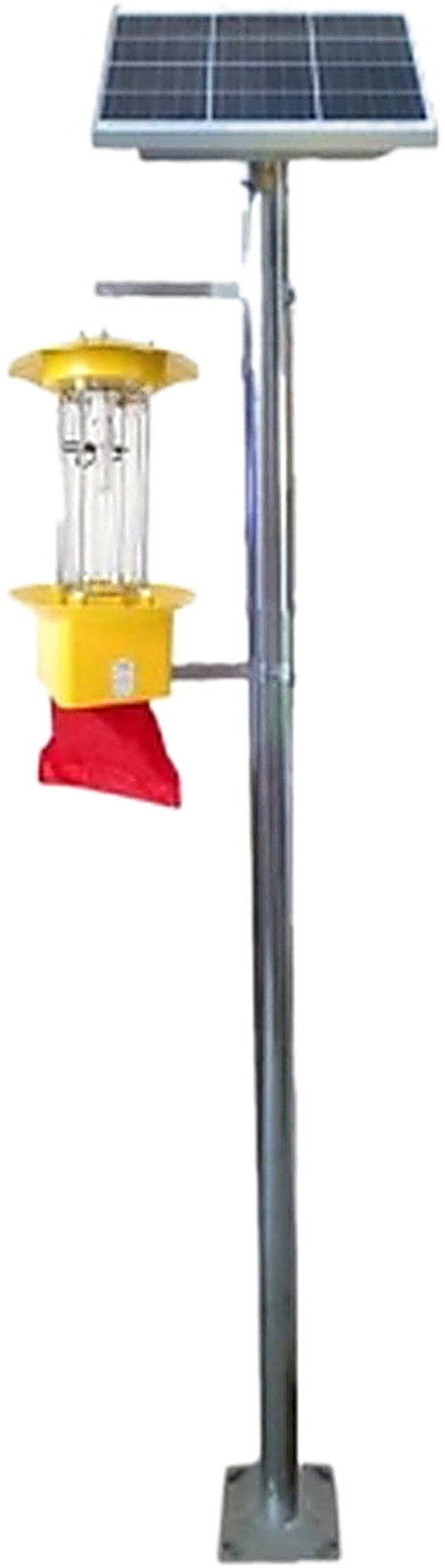


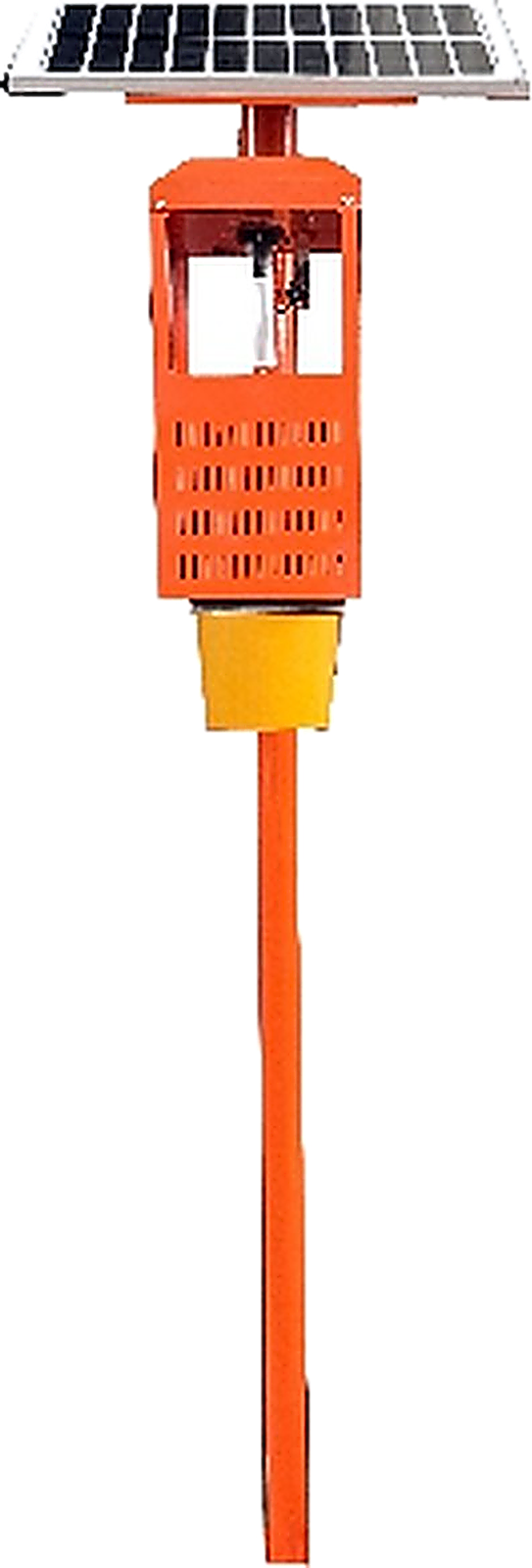
Use this guide alongside the references below to build a complete, defensible programme.
For deeper technical and regulatory context, see the FAO Integrated Pest Management and the EPA safe pest control.
Typical programs start around a few hundred to a few thousand units, depending on housing customization and packaging complexity agreed with the factory.
Cosmetic branding usually takes 2–4 weeks; deeper hardware changes can take 6–10 weeks including samples and inspection before mass production.
Yes. Most factories support mixed-model loading so you can test several solar insect killer variants in a single shipment and learn what sells.
A signed ODM agreement and trademark registration protect your branding. Reputable suppliers will not resell your exact design to your competitors.