
Buyers, cooperatives, and agronomists increasingly ask for proof before they commit to a container of traps. A well-run solar insect killer efficacy trial turns a sales claim into field data you can defend. This guide gives a practical protocol any farm, distributor, or extension officer can use to measure whether a trap actually reduces pest pressure under local conditions.
A solar bug zapper looks convincing in a brochure, but every field is different. Crop, climate, and pest mix all change how many adults a unit catches. A clean trial design removes the guesswork: you compare treated areas against untreated checks and record the numbers. That evidence supports purchasing decisions, subsidy applications, and organic documentation alike.
It shows whether adult flight activity drops where traps run, and whether that drop translates into fewer damaged fruits or leaves. It does not replace a full IPM plan, but it tells you if the device earns its place on your farm.
A credible solar insect killer efficacy trial starts with a clear design, not random placement in the nearest row.
Pick two or more field blocks that share soil type, crop stage, and sun exposure. One becomes the treated block with traps; the other is the untreated check. Keep blocks close so weather and pest pressure stay comparable across the test.
Follow the manufacturer’s recommended spacing, then hold it constant for the whole test. Changing density mid-trial ruins the comparison. Document the exact count and mounting height for every unit in a shared log.
Most pests peak for three to six weeks. Run the efficacy trial across that window so you capture the rise and fall of flight activity, not a single lucky night.
Empty and count the trap tray on the same weekday each week. Record totals by pest group — moths, leafhoppers, beetles — so you can see which species respond. A simple spreadsheet is enough to keep the record clean.
Count damaged units in treated and check blocks using the same sampling grid. The gap between them is your real-world result, far more useful than a tray count alone.
A field test is only useful if you interpret it without bias toward a preferred outcome.
Cold, windy, or bright-moon nights cut catch everywhere, including the check block. Compare trends, not single nights. If a storm hits, note it in the log so the data stays explainable later.
Subtract check-block damage from treated-block damage, divide by check damage, and multiply by 100. That percentage is the language a procurement committee understands without a doctorate.
Many first attempts fail for avoidable reasons that have nothing to do with the trap itself.
Once the solar insect killer efficacy trial closes, package the numbers into a one-page summary. Block maps, weekly catch, and final damage reduction are enough to convince a buying committee or a subsidy officer.
Buyers trust a result they can repeat. Include your trap spacing, run dates, and counting method so another farm can validate the same approach on its own land.
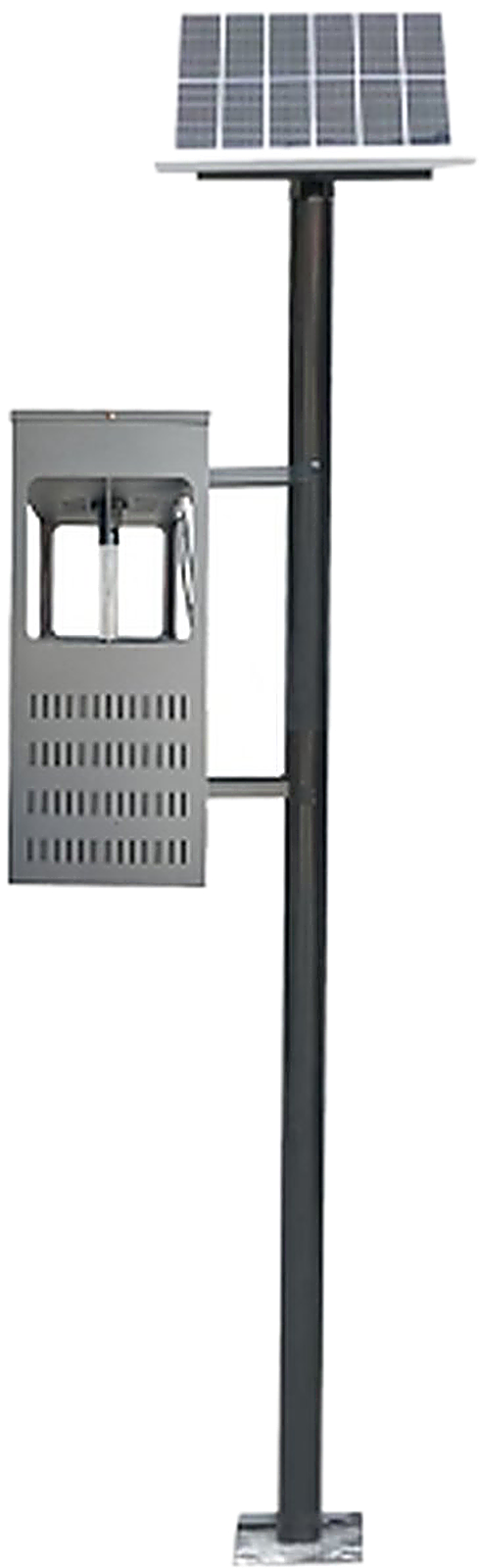
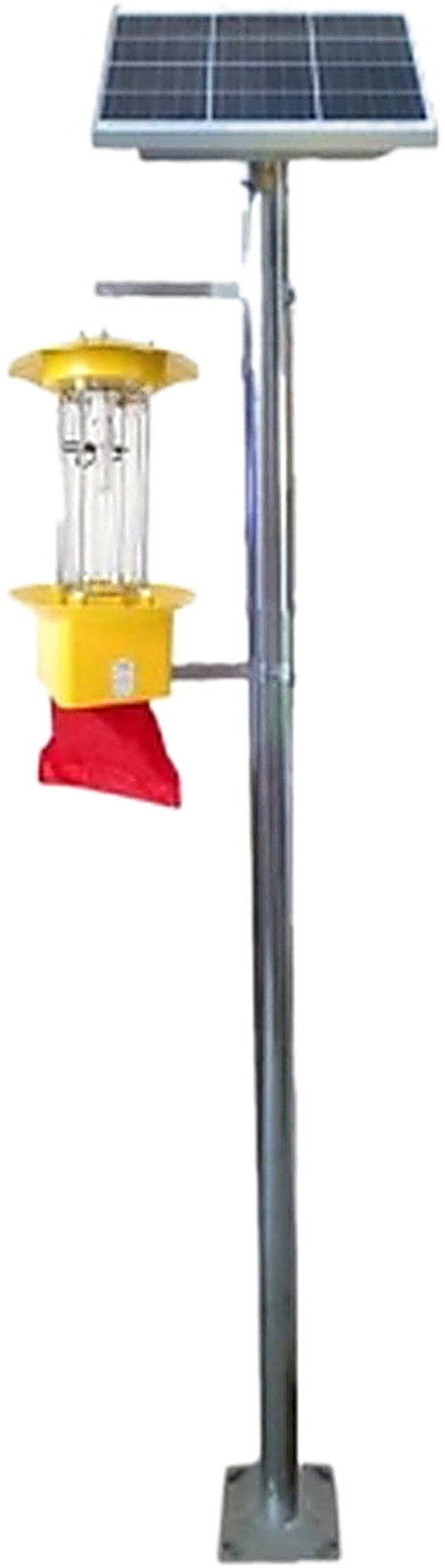


Use this guide alongside the references below to build a complete, defensible programme.
For deeper technical and regulatory context, see the FAO Integrated Pest Management and the EPA safe pest control.
How long should a solar insect killer efficacy trial run? Run it for the full adult-flight window of your target pest, usually three to six weeks, with weekly tray counts and a harvest damage score at the end.
How many traps do I need for a valid trial? Enough to cover a treated block at the recommended spacing, plus a matched untreated check block of similar size. Two blocks are the minimum; three or four give stronger proof.
Can I trust a single trap’s nightly catch? A single night is noisy. The trend across weeks matters more than any one reading, so log consistently and compare treated versus check over time.
Do solar insect killers work in cool, short seasons? Yes, when the trial runs across the local flight window. Catch rates shift with temperature, but the treated-versus-check comparison still shows the device’s contribution.
What if the check block shows lower damage than the treated block? Then the trap did not help in that setup. Report it honestly — the data may point to wrong spacing, a wrong pest target, or a different limiting factor worth investigating before you scale up.
A disciplined solar insect killer efficacy trial turns marketing language into measurable farm pest management evidence. Start with matched blocks, count weekly, score at harvest, and let the numbers speak for themselves.