
Most pest control thinking stops at the field gate. But for smallholder co-ops and commercial mills alike, the real losses often happen after harvest — in the shed, the silo, and the warehouse. Stored-product insects can chew through a season’s profit while the grain sits quietly. Smart grain storage pairs traditional hygiene with modern tools, and the solar insect killer is becoming a practical part of that post-harvest defense.
Once grain is threshed and stored, a new set of insects takes over:
These pests thrive in warm, still, dark grain storage environments. Traditional answers are fumigation and insecticides, but residues, safety, and regulator scrutiny make them costly and risky.
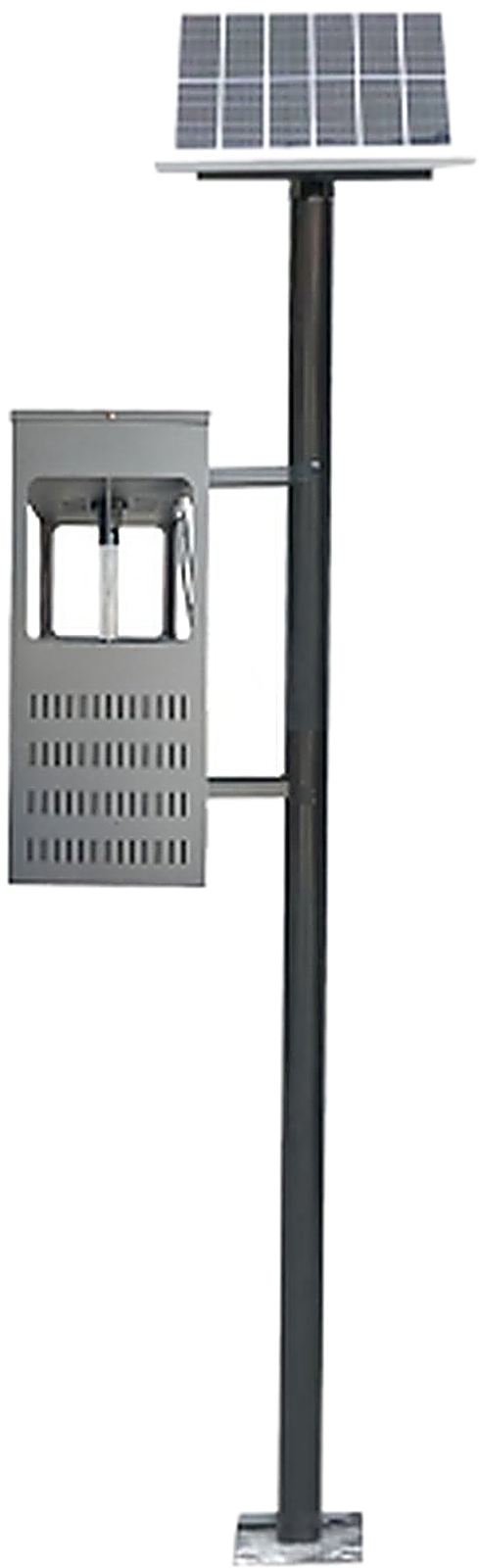
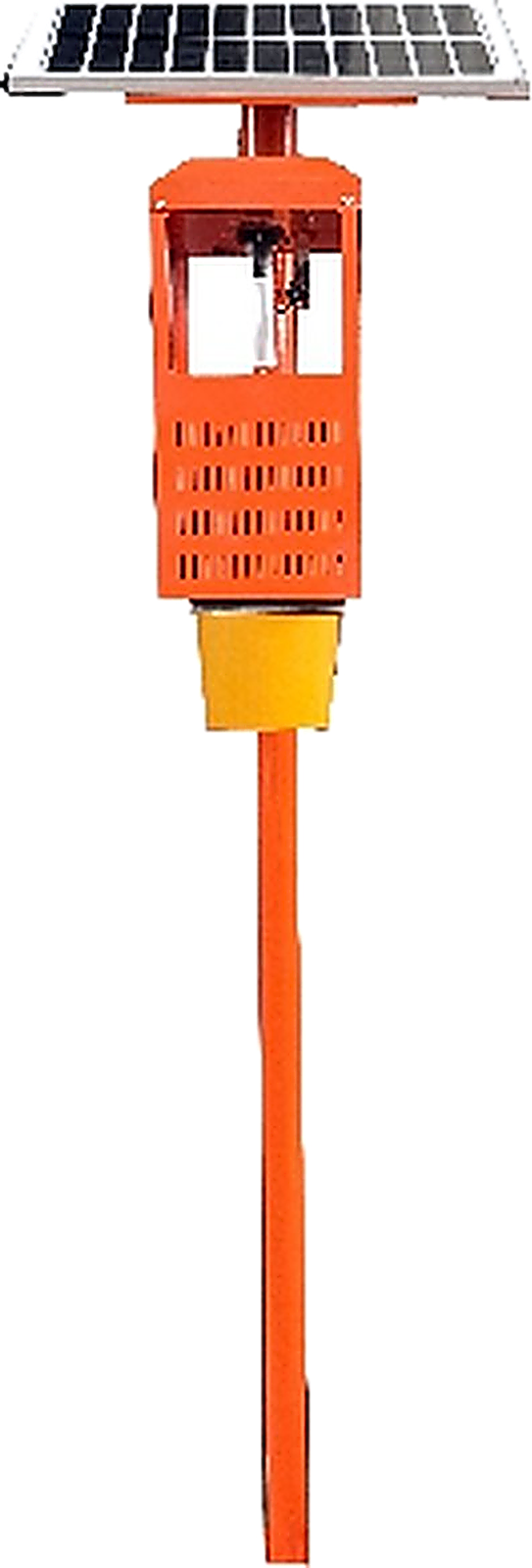
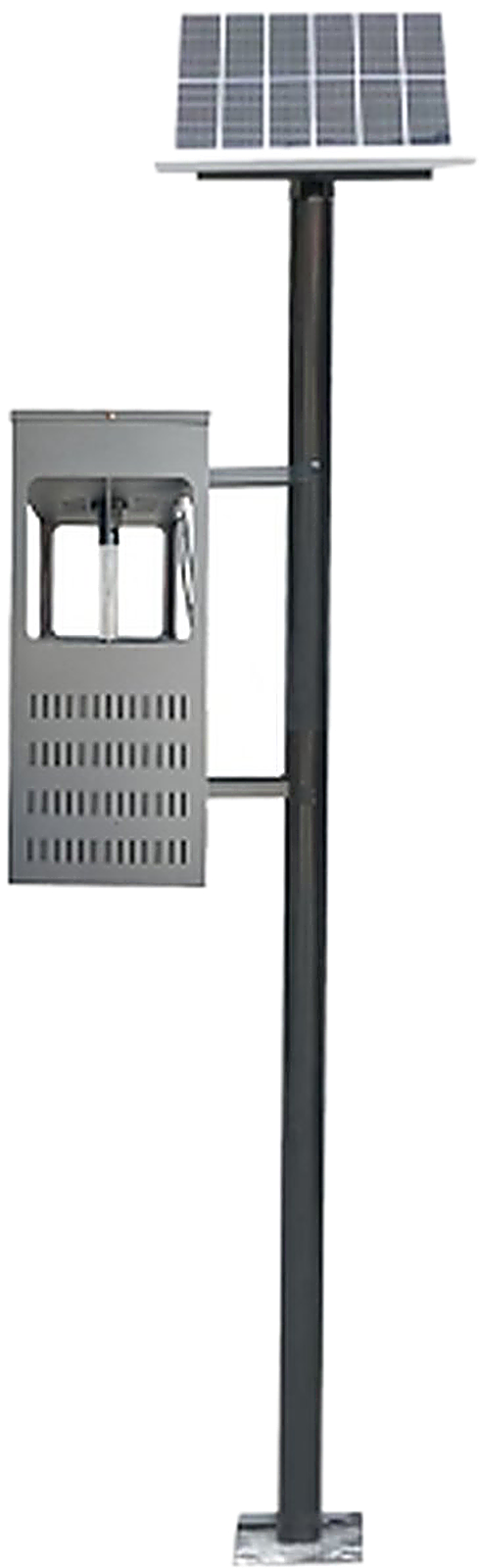
A solar bug zapper tackles the adult flying stage — the moths and weevils that disperse between stacks and reinfest clean grain. In a warehouse or covered drying yard, the trap:
This makes it a natural fit for agricultural pest control that must stay food-safe.
Mount a solar insect killer near doors and vents where adults enter from outside or from infested neighboring stores.
Position units above the area where grain is poured, bagged, or sampled. Flying adults concentrate there during activity.
A ring of traps around a silo or crib reduces the adult population that would otherwise settle on the surface.
Smart farm pest management here means defending the boundary, not just the center.
1. Clean first — remove spilled grain and old sacks; traps cannot outwork a dirty floor. 2. Dry to safe moisture — most stored-product insects need humidity; a solar bug zapper helps only after grain is properly dried. 3. Monitor — use pheromone or light traps to count catches and spot hotspots. 4. Trap adults — run the solar insect killer through the warm evening hours when moths fly. 5. Seal and rotate — airtight bags and first-in-first-out stock deny pests a permanent home.
| Method | Residue | Power needed | Best use |
|---|---|---|---|
| Solar insect killer | None | None (solar) | Adult control, prevention |
| Fumigation | Possible | None | Full disinfestation |
| Contact spray | Yes | None | Surface treatment |
The table shows the role of a solar bug zapper: it is a preventive, food-safe layer that reduces the need for heavier interventions. It does not replace fumigation for an active infestation, but it keeps a clean store clean.
Agricultural co-ops that aggregate member grain face repeated cross-infestation as lots are mixed. A few traps at the aggregation point cut the flying adult load and slow the spread between members’ bags. For mills, a solar insect killer over the intake and packing lines protects finished product appearance — critical for export-grade rice and flour.
A single trap covers a portion of a warehouse volume, so think in perimeter and entry defense. Payback comes from:
Because the unit is solar, remote grain storage sites avoid wiring costs entirely.

Use this guide alongside the references below to build a complete, defensible programme.
For deeper technical and regulatory context, see the FAO Integrated Pest Management and the EPA safe pest control.
Can a solar trap replace fumigation in my warehouse? No. Use it as a preventive layer that cuts adult re-infestation. For an active infestation, fumigate first, then trap to keep it clean.
Do stored-product beetles fly to light? Many do, especially the moths and weevils that disperse between stacks. A solar bug zapper intercepts them during evening flight.
Is it safe around food grain? Yes. Trapping is physical and leaves no residue, making it suitable for food-safe farm pest management.
Where exactly should I mount the trap? Near doors, vents, and above handling zones — anywhere adults move between lots. Avoid sealed, lightless interiors where flying is rare.
Does it work off-grid? Yes. The solar panel and battery let it run in rural grain storage sites without grid power.
Post-harvest loss is silent but expensive. By adding a solar insect killer to your grain storage and warehouse routine — clean first, dry well, then trap the fliers — you protect both the weight and the quality of every sack that leaves the store.