
Scale insects and mealybugs are among the most underestimated enemies of tropical and subtropical farms. Unlike flying moths or obvious caterpillars, these soft-bodied sap-feeders hide under waxy covers and cottony masses, slowly draining the vigor of citrus, coffee, cocoa, cassava and ornamentals. A solar insect killer is not a silver bullet against crawlers, but it is a powerful ally in an integrated program that targets the winged males and the ants that farm these pests.
Scale insects (Coccidae, Diaspididae) and mealybugs (Pseudococcidae) pierce plant tissue with straw-like mouthparts and suck phloem sap. A single heavily infested tree can lose 30–60% of its photosynthetic capacity within a season. The damage is rarely dramatic at first — just yellowing leaves, stunted shoots and a sticky residue called honeydew.
Honeydew attracts ants, which protect the sap-feeders from predators in exchange for sugar. The same honeydew grows black sooty mold that blocks sunlight and ruins the marketable appearance of fruit. Left untreated, scale insects turn a productive orchard into a declining one.
Most armored scale and mealybug populations are female and sedentary, but males emerge as tiny winged gnat-like adults to mate. These fragile fliers are strongly attracted to light at dusk. That is exactly where a solar bug zapper earns its place: it removes the mating males before they can fertilize the next crawler generation.
Agricultural pest control for soft scales works best as layered defense. The light trap handles the airborne stage; everything else is cultural and biological.
Scale and mealybug crawlers — the only mobile juvenile stage — emerge in waves tied to temperature and flush growth. Sticky cards and visual scouting tell you when the flush peaks.
Place the solar insect killer at the orchard margin and along rows where air movement concentrates flying males. Because the device runs on sunlight alone, it keeps working through power outages common in rural growing regions.
Band tree trunks with sticky barriers or prune ant highways. Without ants, ladybeetles, lacewings and parasitoid wasps regain control of mealybugs naturally.
Avoid broad-spectrum sprays that kill the very predators you need. This is the heart of modern farm pest management: let the ecosystem do the heavy lifting while the trap trims the airborne surplus.
Red scale, purple scale and citrus mealybug build up on stems and fruit. Light traps positioned every 1–2 hectares cut male numbers and reduce fruit downgrading from sooty mold.
The green coffee scale and cocoa mealybug slash yield and open the door to disease. Shade-grown plots benefit most, since the solar insect killer needs no grid connection deep inside the farm.
Cassava mealybug is a documented yield thief across Africa and Asia. Nurseries that run a trap at the gate intercept flying males before they reach young planting material.
A solar bug zapper does not replace horticultural oil or systemic labels used by professionals. It complements them by attacking the flight stage continuously and chemical-free, which is why organic and residue-conscious exporters favor it.
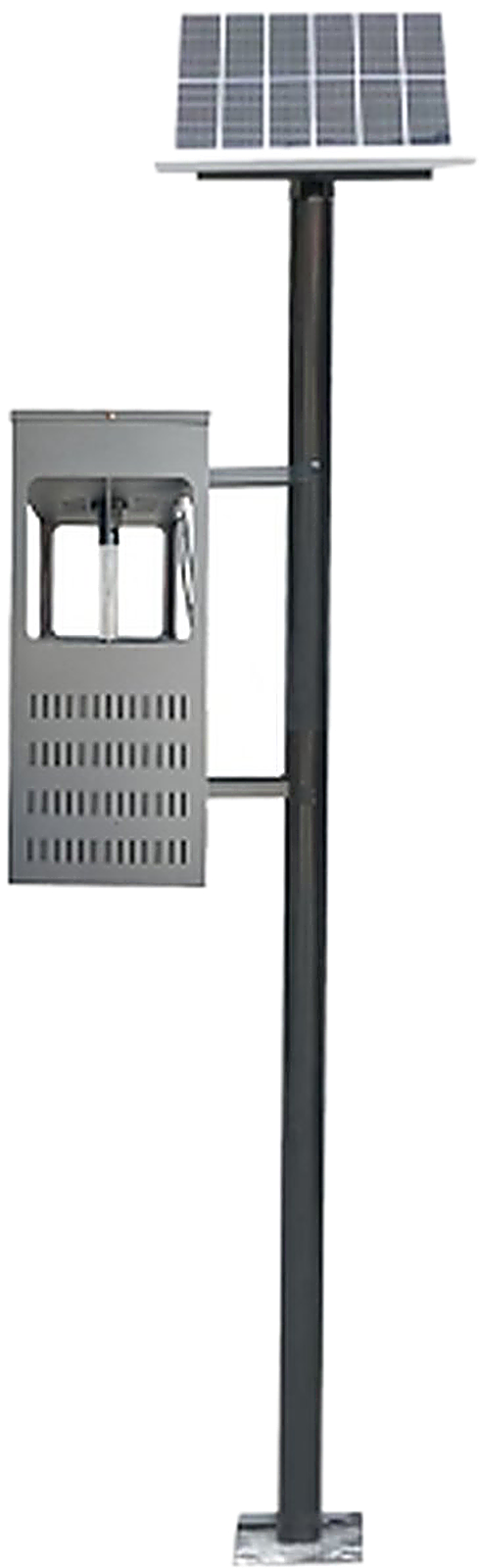
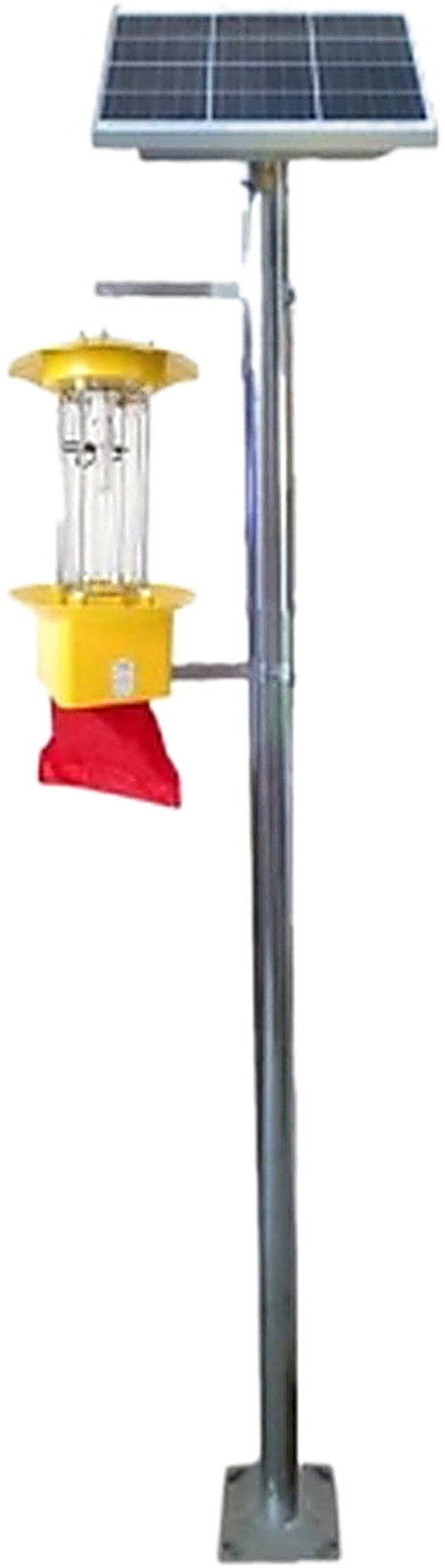


Use this guide alongside the references below to build a complete, defensible programme.
For deeper technical and regulatory context, see the FAO Integrated Pest Management and the EPA safe pest control.
Do solar insect killers kill scale insects directly? They primarily capture the short-lived winged males, lowering reproduction. Crawlers and females are managed with oil, biological control and ant exclusion.
How many traps per hectare for mealybug control? Marginal and in-row placement of one unit per 1–2 hectares is typical, adjusted after the first season of sticky-card monitoring.
Can I use a solar insect killer in a certified organic orchard? Yes. The trap itself is a physical control with no residues, fitting most organic agricultural pest control programs. Always confirm input lists with your certifier.
Why are ants such a big deal with scale insects? Ants farm sap-feeders for honeydew and fight off predators. Remove the ants and natural enemies rebound quickly.
Is the solar bug zapper enough on its own? No single tool is. It is one layer of an IPM plan built on scouting, ant control and predator conservation.
Scale insects and mealybugs thrive in the shadows of neglect, but their winged males are vulnerable to light. A well-placed solar insect killer trims the mating population every night, while ant barriers and predator conservation handle the settled stages. For any exporter chasing residue-free fruit, this chemical-light approach is the smart backbone of farm pest management.