
Farmers weighing physical exclusion against active trapping often ask the same question: should I wrap my crop in insect screens, or should I switch on a solar insect killer? Both tools promise fewer damaged leaves and cleaner harvests, but they work in completely different ways. A solar insect killer (sometimes called a solar bug zapper on the farm) lures flying adults with light and suction, then removes them before they lay eggs. Insect screens and fine mesh netting, by contrast, form a physical wall that simply stops pests from reaching the plants.
This guide compares the two for agricultural pest control so you can build a smarter farm pest management plan.
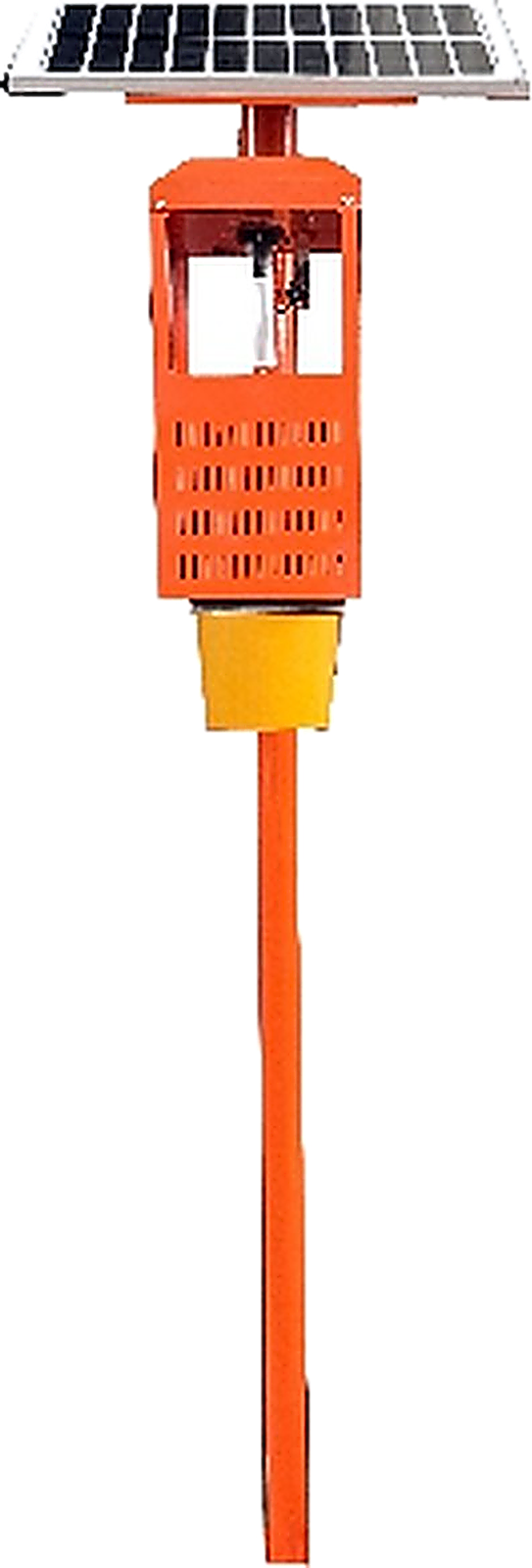
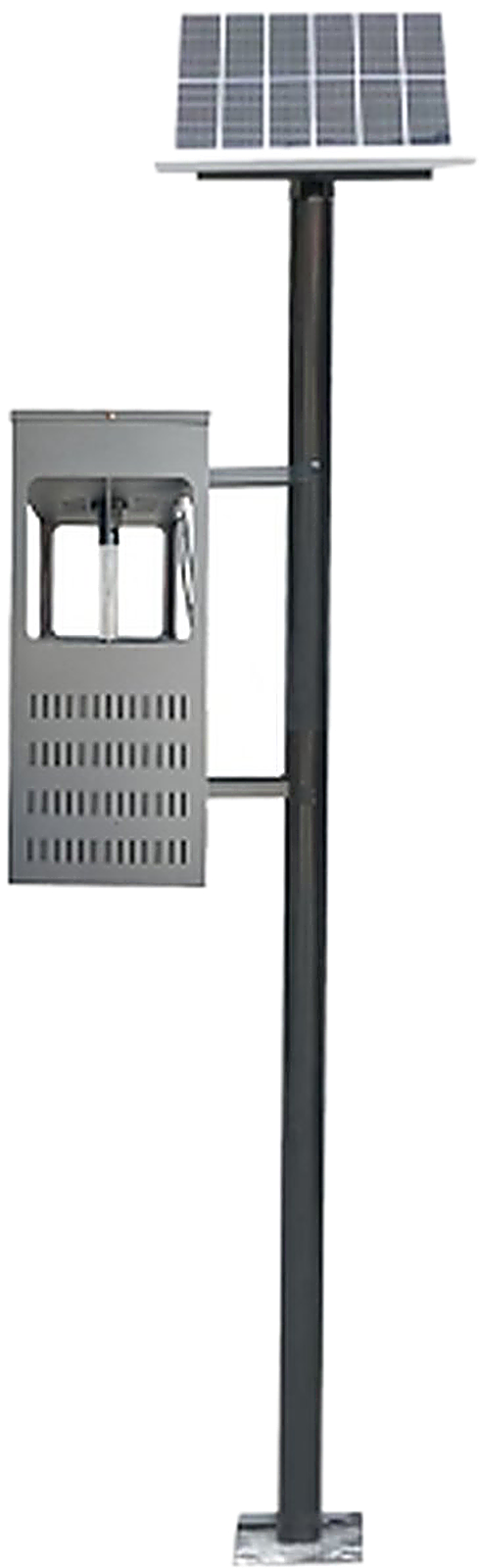
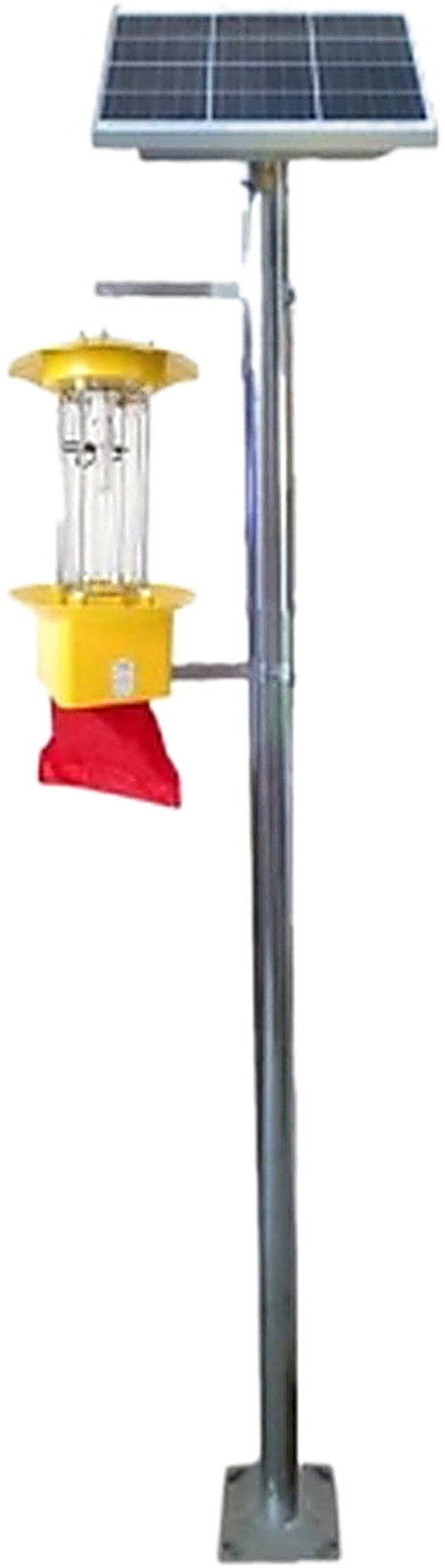
A solar insect killer uses a photovoltaic panel to charge a battery during the day. At dusk it powers an LED or UV lamp plus a quiet fan. Phototactic moths, planthoppers, leafhoppers, and beetles fly toward the light, get pulled into the suction chamber, and are collected in a tray. Because it runs on sunlight, the device needs no grid power or fuel, which makes it ideal for remote fields. Many models cover a radius of 20 to 40 meters, so one unit is enough for a small block or a single greenhouse row.
For growers who already rely on a solar bug zapper at home, the farm version simply scales the same principle to hectares.
The panels are woven polyester or polyethylene with a precise hole size, often 0.2 to 0.8 millimeters. Greenhouse growers and net-house operators staple them over vents, doors, and roof openings. Fine mesh netting physically blocks whiteflies, thrips, aphids, and fruit flies from ever entering. Unlike a solar insect killer, screens do no killing; they prevent entry. The trade-off is reduced airflow and, on hot days, higher humidity inside the enclosure, which can invite fungal disease if ventilation is poor.
A solar insect killer excels at night-flying adults: moths, crane flies, and many beetles. It is less effective against tiny, weak-flying pests such as thrips or against soil-borne larvae. Insect screens stop all winged insects that cannot fit through the mesh, including thrips and whiteflies, but only at the barrier itself.
Neither tool controls caterpillars already on the leaf, root maggots, or nematodes. For those you still need monitoring, beneficial insects, or targeted sprays. A good farm pest management program pairs trapping and exclusion with regular scouting rather than trusting a single device.
A single solar insect killer costs more upfront than a roll of netting, but it covers a large area with zero running cost. Screens are cheap per square meter yet require a frame, regular washing to remove dust and pollen, and replacement after storms. Over five years, the solar unit’s labor is limited to emptying the tray and wiping the panel; screens demand continuous maintenance that grows with the size of the structure.
Solar insect killers are built for rain, dust, and sun, with IP65 housings and corrosion-resistant poles. Insect screens tear easily under wind load and UV, and birds or rodents can puncture them. In open fields without a supporting structure, screens are impractical; the solar insect killer stands alone on a pole and keeps working through the season.
The strongest agricultural pest control results come from layering. Use insect screens on greenhouse vents to stop entry, and place a solar insect killer outside the screen line to cut the adult population in the surrounding area. This “push-pull” arrangement lowers pressure on both systems and delays pesticide resistance, which is exactly what modern farm pest management recommends for export-oriented farms.
Choose insect screens if you grow high-value transplants in a protected structure and need a near-zero pest threshold. Choose a solar insect killer if you manage open fields, orchards, or large plots where building a screen house is impossible. Many exporters run both: screens in the nursery, solar units across the farm to protect the mature crop.

Use this guide alongside the references below to build a complete, defensible programme.
For deeper technical and regulatory context, see the FAO Integrated Pest Management and the EPA safe pest control.
No. Screens block entry at a boundary; a solar insect killer reduces the flying population across an entire field. They solve different problems and work best together in one coordinated plan.
Modern units use narrow-spectrum LEDs and run at night when pollinators are inactive, so bee impact is minimal when the device is placed away from flowering rows and managed as part of a broader farm pest management strategy.
A solar insect killer usually wins on labor and coverage, while screens win only inside a small, structured nursery where a perfect barrier matters more than area.
Yes. Both are physical, non-chemical methods accepted by most organic standards; confirm mesh size and device materials with your certifier before audit.
There is no single winner. Insect screens give a hard boundary that a solar insect killer cannot, while the solar unit protects open ground that screens can never cover. For resilient agricultural pest control, deploy insect screens where structure exists and a solar insect killer where it does not, then let your scouting data tell you when to adjust.