
A tree nursery grows the most valuable plants on the farm: young fruit, timber, and ornamental trees that represent years of future production. Seedlings cannot tolerate the defoliation or bored stems that mature trees shrug off, so pest pressure must be caught early. A solar insect killer is a low-labor, residue-free way to suppress the adult insects that start the damage. This guide covers nursery pests, trap placement, and an IPM framework.
Young trees have limited leaf area and thin bark. A single bad season of pest pressure can:
Because every plant is an investment, agricultural pest control in a tree nursery leans preventive — and light trapping fits that philosophy perfectly.
Many of the adults that plague nurseries are flying insects drawn to light at night:
A solar bug zapper intercepts the moth, beetle, and small-fly adults before they settle and reproduce.
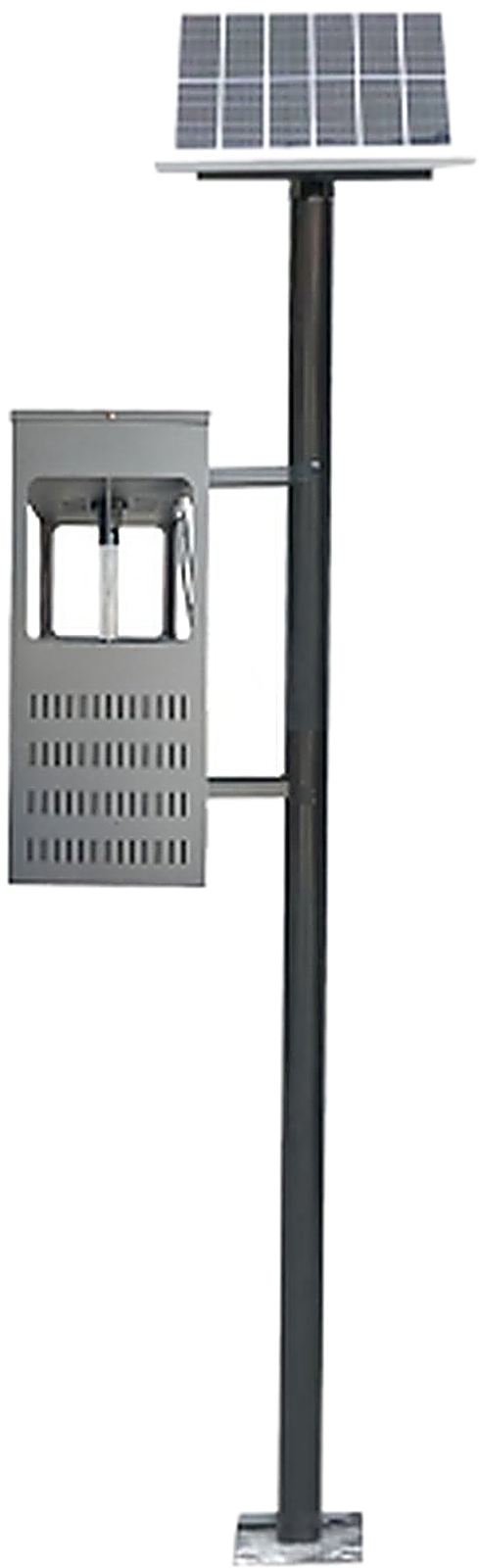
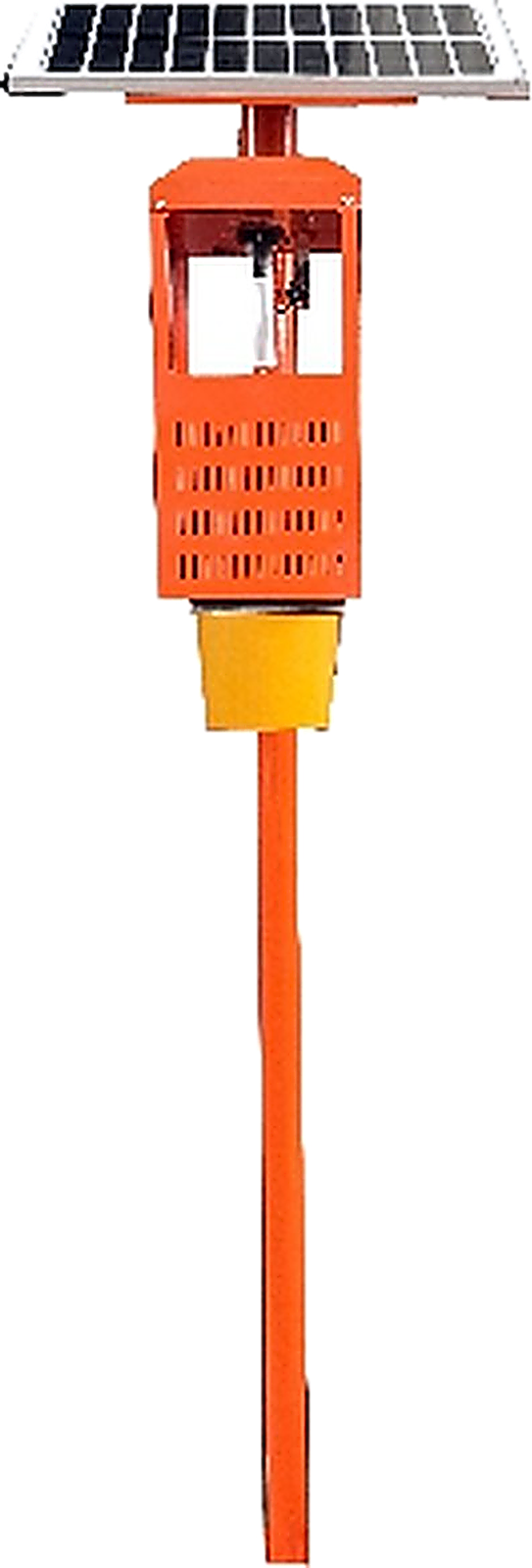
The trap exploits the same phototaxis used in open fields, tuned for the confined, often-lit environment of a nursery:
For farm pest management, the trap reduces the adult reservoir so beneficial insects and targeted sprays handle the rest.
Mount units on posts between seedling rows at canopy height (0.8–1.5 m depending on liner size), and ring the tree nursery perimeter to intercept migrants. Nurseries are often lit at night for security — position traps to complement, not compete with, those lights by placing them just outside the bright zone.
In container yards, space one trap per 20–40 m of bench run. In field beds, follow the same low-and-even rule used for row crops, keeping units within the plant canopy rather than above it.
A resilient tree nursery program layers several tactics:
1. Scout weekly and read trap catch to spot new species early. 2. Quarantine new stock so incoming liners do not import pests. 3. Conserve beneficials — lacewings, lady beetles, and parasitic wasps thrive when you avoid blanket spraying. 4. Sanitize by removing infested leaves and fallen media that shelter larvae. 5. Use the solar trap as a threshold tool to time any needed biological or soft-chemical step.
This is modern agricultural pest control: observe, then act with the lightest effective method.
Even a good trap underperforms if the setup is wrong:
Sticky cards monitor but capture little; sprays risk phytotoxicity on seedlings and leave residue on saleable stock. A solar bug zapper runs unattended, protects tender liners, and keeps the nursery clean for inspection and export.

Use this guide alongside the references below to build a complete, defensible programme.
For deeper technical and regulatory context, see the FAO Integrated Pest Management and the EPA safe pest control.
Can a solar insect killer protect small seedlings? Yes. It targets the flying adults before they reach tender liners, reducing defoliation and borer risk without spray on young plants.
How many traps does a tree nursery need? A practical start is one unit per 20–40 m of bench run, plus a perimeter ring, adjusted using your weekly catch counts.
Does it replace scouting? No — it enhances scouting. The nightly catch is a monitoring signal that tells you when and where to look closer.
Is it suitable for export-grade nurseries? Absolutely. Capture is physical and residue-free, supporting the clean-stock standards buyers and phytosanitary inspections expect.