
A solar insect killer lives outdoors through monsoons, hurricanes and irrigation overspray. A rain sensor is a small detector that tells the unit to pause the lamp and fan when it gets wet, then switch back on when the surface dries. It sounds minor, but it protects the device and your pest-control uptime.
The rain sensor is usually a conductive pad or a capacitive disc mounted on top of the lamp head. When water bridges its surface, it sends a signal to the controller to cut the high-draw lamp and fan. Once dry, the circuit closes and the solar bug zapper resumes its nightly cycle automatically—no farmer intervention needed.
Conductive gauze pads are cheap and simple but can clog with dust and give false trips. Capacitive discs sense moisture through a sealed surface, resist clogging and last longer in dusty fields. For a solar insect killer run year-round, the capacitive type is the smarter pick for reliable agricultural pest control.
Most capacitive sensors use a two-wire lead to the control board. One wire carries the signal, the other is ground; the board reads a change in resistance when the disc gets wet. Installation takes minutes and needs no special tools, which is why retrofitting a solar insect killer in the field is straightforward for a technician.
Lightning and downpours are precisely when flying pests are NOT active; moths and hoppers stay hidden in calm, dry conditions. Pausing during a storm means the stored charge is reserved for clear nights when a solar insect killer actually catches insects. This is smart agricultural pest control that matches effort to opportunity.
Wet lamps can short, corrode contacts and cloud the lens. The auto-shutoff keeps the high-voltage and LED sections dry longer, extending service life. Combined with an IP66 housing, a rain sensor is the second line of defence for year-round farm pest management.
Light condensation at dawn can fool a poorly tuned sensor into staying off. Good controllers add a delay so a few damp minutes do not trip the unit, and they ignore irrigation mist that never truly wets the disc. Set sensitivity so dew does not stop it, but a shower does.
Modern sensors ignore light dew and brief splashes, triggering only on real rainfall. That means fewer needless stoppages and a trap that stays on guard. For large estates running dozens of units, this reliability cuts the labour of manual checks.
On farms with 50 or 100 units, a rain sensor that self-manages means one less thing to monitor during a storm. Paired with an IoT model, each unit can log rain events and report uptime, so a manager sees at a glance which traps ran through the night.
Some growers simply unplug traps before a storm. That works but forgets—and a forgotten trap left off for three rainy nights misses a pest peak. A rain sensor removes the human step, which is why it suits large estates where nobody walks every unit daily. It is a small upgrade with outsized reliability.
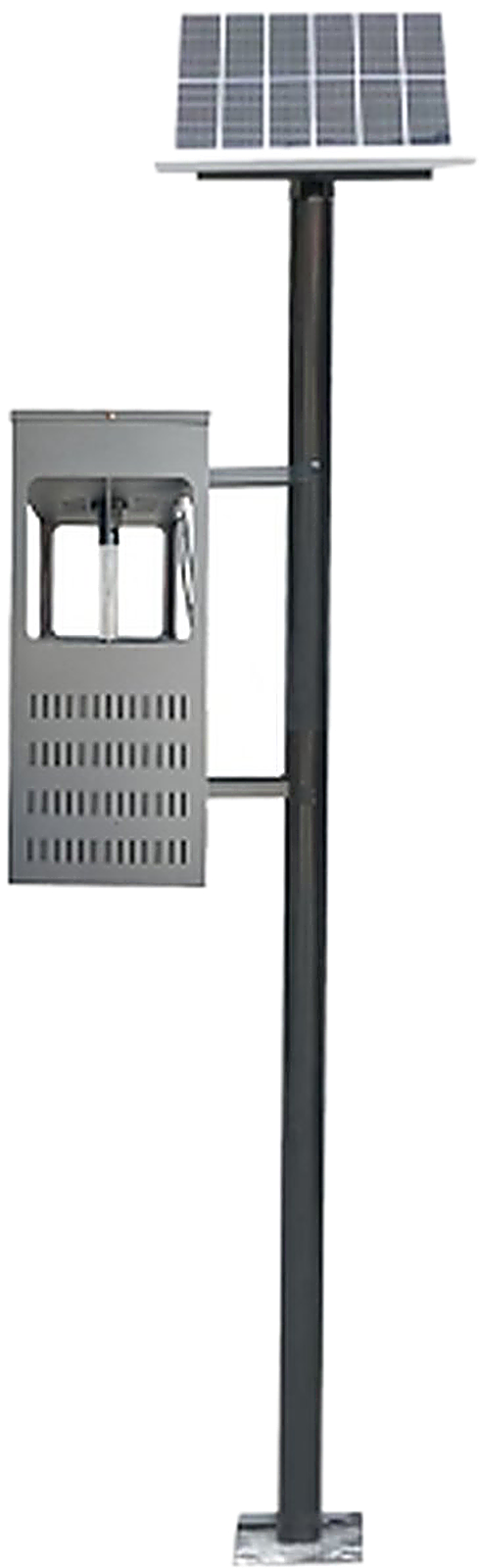
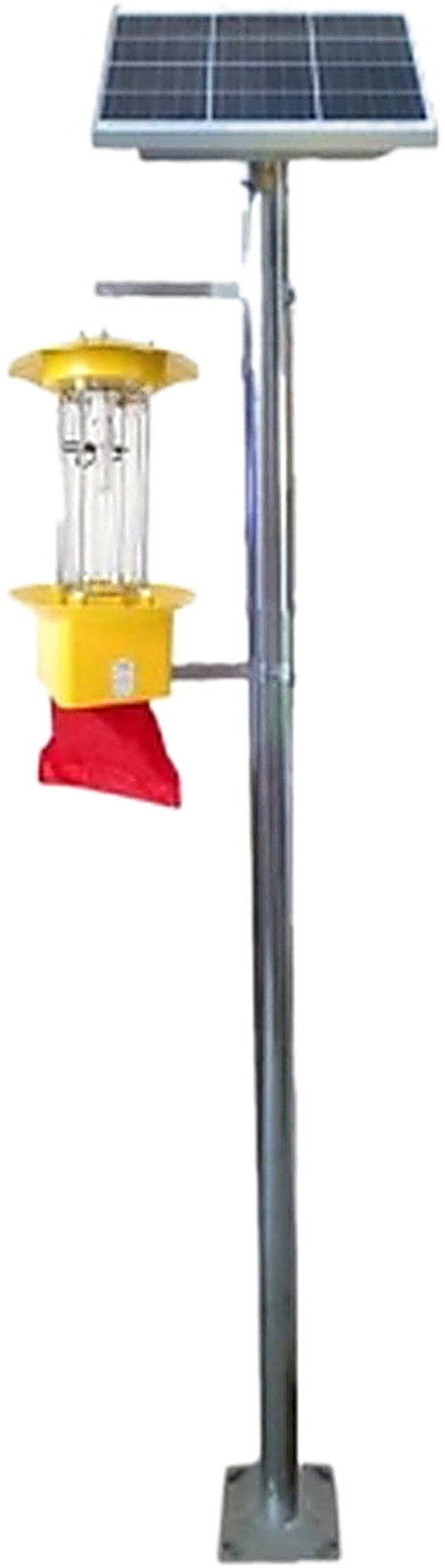


Use this guide alongside the references below to build a complete, defensible programme.
For deeper technical and regulatory context, see the FAO Integrated Pest Management and the EPA safe pest control.
Does pausing in rain hurt pest control? No—pests are inactive in storms, so you lose nothing while saving power.
Can I add a rain sensor to an existing unit? Many models accept an aftermarket sensor wired to the controller; check the manual.
Will dew trigger it every morning? Properly tuned sensors ignore light condensation and only react to actual rain.
Does it work with smart IoT models? Yes—IoT units can log rain events and show uptime in the dashboard.
A rain sensor turns a solar insect killer into a truly all-weather, self-managing tool. By pausing in storms and resuming automatically, it saves power, protects electronics and keeps your farm pest management running with minimal attention.