
Reflective mulch is one of the simplest physical tools in modern agricultural pest control: a silver or aluminum-faced film laid over the bed that bounces light upward and confuses the visual orientation of small flying insects. When you pair it with a solar insect killer, you get a two-layer defense — repel above the canopy during the day, capture at night. This article explains how this ground cover fits into a broader farm pest management plan and where a solar bug zapper completes the picture.
Many pest insects locate host plants by reading reflected light and contrast. A bright, reflective film suddenly changes the optical signal of the soil surface, so aphids, thrips and whiteflies struggle to settle and often emigrate to less confusing nearby crops. The effect is strongest in the first weeks after transplant, when seedlings are most vulnerable.
Unlike a spray, the mulch leaves no residue and needs no reapplication after rain. It is a quiet, passive layer of agricultural pest control that works while the grower sleeps — and pairs naturally with a solar insect killer that works after dark.
Not every crop responds equally. The film pays off most where the target pest is a visual, canopy-level flier and the crop is low and open.
Cabbage, broccoli and lettuce suffer heavily from aphid colonisation. A reflective mulch under the row delays aphid landing and reduces virus transmission carried by those aphids. Combined with a solar insect killer at the field edge, the brassica block gets both daytime repulsion and nightly capture.
Strawberry aphids and cucurbit thrips are classic targets of this system. Reflective mulch disrupts thrips feeding and lowers fruit scarring. A solar bug zapper hung at canopy height then removes the adults that slip past the film after sunset.
Young transplants are the highest-value, highest-risk stage. Lining nursery benches or seedbeds with the material keeps whiteflies off tender leaves, while a nearby solar insect killer cleans the air around the beds overnight — a tight farm pest management loop for propagation houses.
The two tools are complementary, not redundant. The ground cover shifts behavior during daylight; a solar insect killer physically removes adults at night.
Think of the system as a funnel. The mulch makes the bed unwelcoming, pushing survivors upward and outward where the lamp of a solar bug zapper draws them in. In an integrated agricultural pest control program, fewer insects land, and fewer still survive the night.
Lay the reflective mulch at transplant and keep it taut and clean — dust dulls the reflectivity that makes it work. Position a solar insect killer on the upwind side of the block so night-flying adults drifting off the bed are intercepted first. Re-tension after storms to keep the farm pest management benefit intact.
Reflective mulch comes in woven or film forms, sometimes co-extruded with a black underside to also suppress weeds. UV-stabilised films last a full season; biodegradable options reduce end-of-season plastic but reflect less. Choose the grade that matches your crop length, and remember that a solar insect killer is unaffected by mulch choice — it simply does its job above whatever ground cover you use.
Reflective mulch is not a silver bullet. It works best on low, open crops and loses effect once the canopy closes over the bed and shades the film. Soil pests, nematodes and borers are untouched. That is exactly why a solar insect killer belongs in the same plan: it owns the adult flying stage that the material merely discourages, giving your agricultural pest control program full coverage.
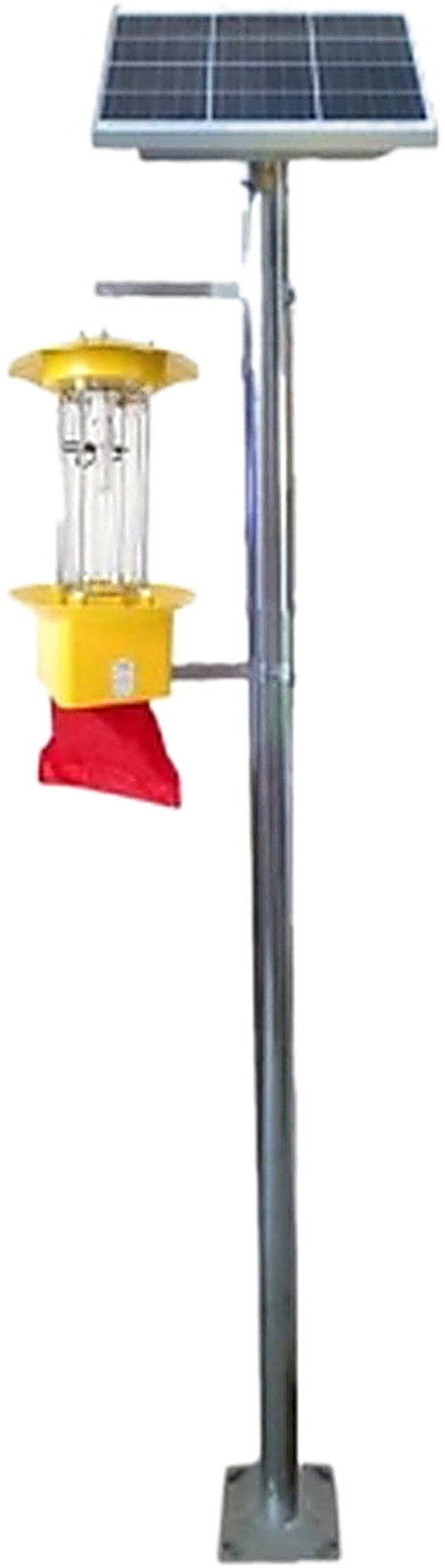


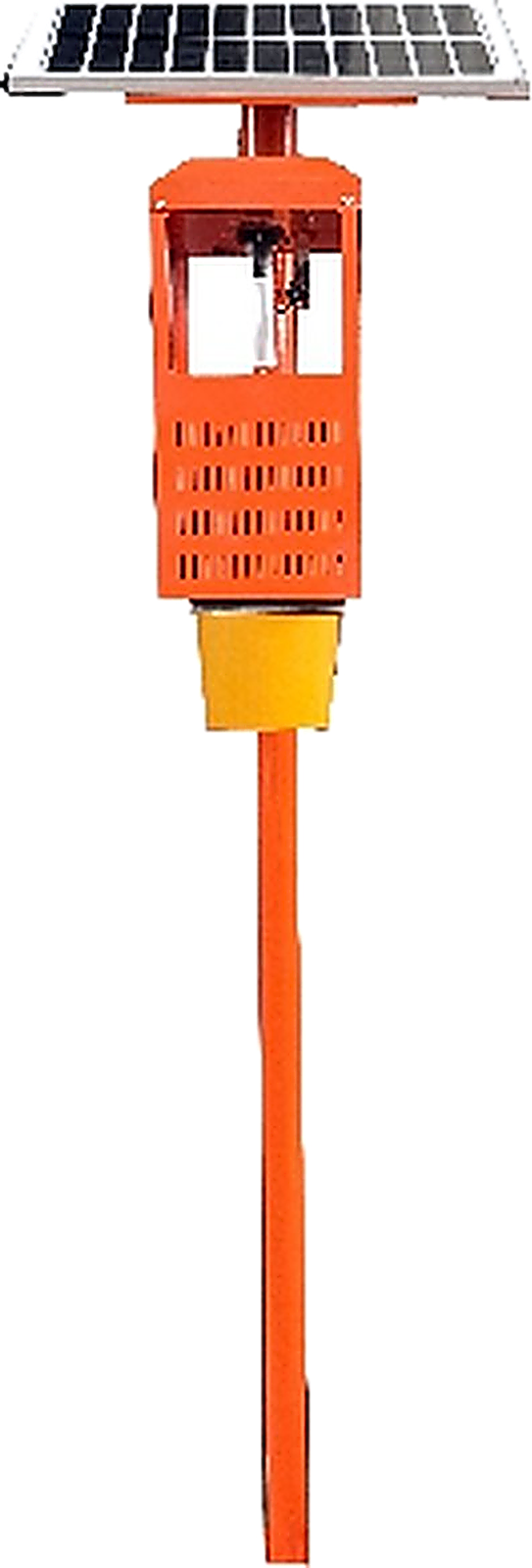
Use this guide alongside the references below to build a complete, defensible programme.
For deeper technical and regulatory context, see the FAO Integrated Pest Management and the EPA safe pest control.
Does the film replace a solar insect killer? No. The mulch repels during the day; a solar bug zapper captures adults at night. Together they cover more of the pest life cycle.
Will it harm pollinators? It mainly disrupts small pest fliers near the bed; it does not endanger bees visiting flowers above the canopy in a normal farm pest management setup.
How long does the film stay effective? A UV-stabilised version lasts a full season, but its effect fades once the crop canopy shades the surface.
Can I use it in a tunnel? Yes. The film works well inside high tunnels and hoop houses, where a solar insect killer can also be placed for nightly capture.
Is it worth it for large fields? For low-value, closed-canopy row crops the payoff is small; for high-value vegetables, berries and nurseries, this ground cover plus a solar insect killer usually pays back quickly.