
The southeastern United States is one of the most insect-pressure-intensive farming regions in the world. Long, hot, humid summers and short mild winters let multiple pest generations overlap on cotton, peanuts, citrus, blueberries and vegetables. For B2B buyers and distributors serving this market, the solar insect killer has moved from a novelty into a core piece of agricultural pest control planning. This case study looks at how Southeast growers deploy solar-powered traps and what the field data shows.
Three conditions make the US Southeast a tough operating theater for farm pest management. First, the frost-free window is long, so Helicoverpa zea (corn earworm / cotton bollworm) and Spodoptera species run five to six generations per year instead of two or three. Second, the region grows a dense mosaic of host crops—peanuts next to cotton, citrus next to blueberries—so adult moths and weevils always have something to lay eggs on. Third, intense rainfall events wash off conventional sprays, forcing repeat applications.
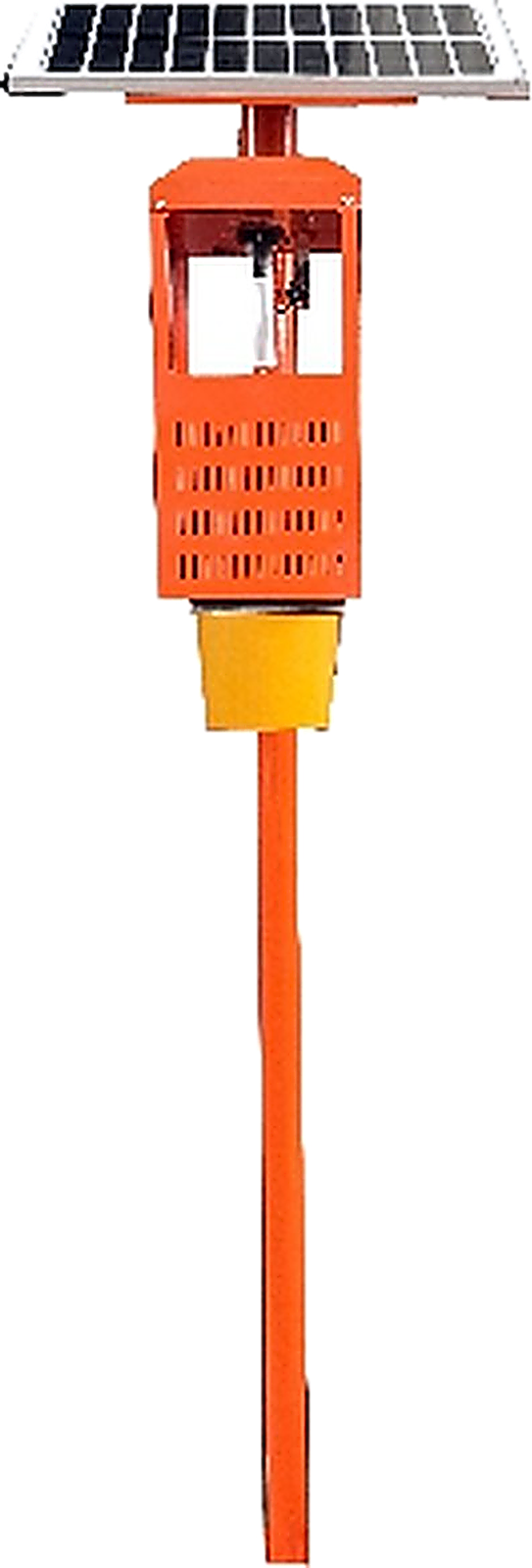
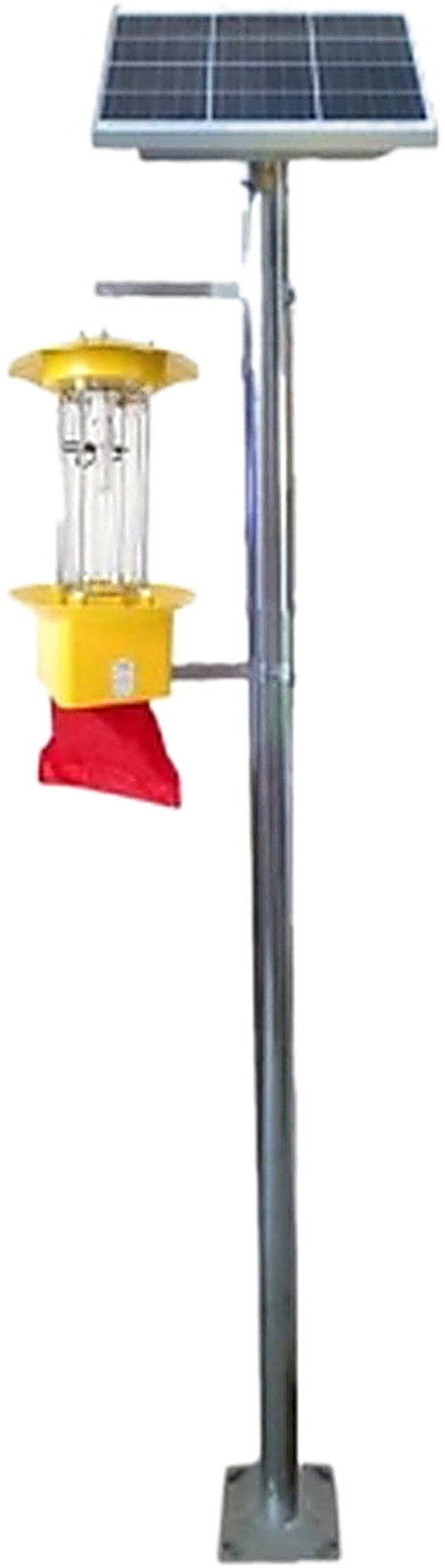
A solar bug zapper that runs every night regardless of weather removes a constant share of the adult population before eggs are laid. Because it targets the flying adult stage, it complements—rather than replaces—scouting and thresholds.
Cotton dominates the pest conversation. The bollworm / corn earworm complex and the tobacco budworm cause the largest yield and quality losses. Moths are strongly attracted to UV-led light traps at dusk. In a two-season trial across Georgia and Alabama cotton, fields with solar insect killers at standard spacing recorded a measurable drop in egg counts on terminal squares compared with untreated checks.
Peanuts suffer from the lesser cornstalk borer and several noctuid caterpillars. Because peanuts are a low, dense canopy, light traps positioned at bloom height captured significant adult flights during drought-stressed periods when borers move into vines.
In Florida citrus, Diaprepes and other root weevils are night-active adults that feed on foliage and drop to the soil to lay eggs. Solar insect killers placed along row ends and perimeter windbreaks reduced adult weevil counts, supporting a broader citrus pest management program built around reduced soil drenching.
The most successful Southeast deployments followed a perimeter-plus-hotspot layout. Instead of one trap per fixed acreage, growers placed devices on field edges adjacent to woods, ditch banks and irrigation ponds—the exact places where moths emerge at night. Interior spacing was widened on large cotton blocks and tightened on high-value blueberry and citrus rows.
A practical rule used by cooperating farms: one solar insect killer unit per 1 to 2 acres on vegetables and berries, and one per 2 to 4 acres on row crops, adjusted after the first season of catch data.
Participating farms reported several consistent benefits:
For a distributor, the ROI story is straightforward. A solar unit is a one-time capital cost with no recurring chemical, fuel or labor for mixing. Over a three-year horizon on a 200-acre mixed operation, the avoided spray passes on cotton and citrus alone often offset the trap investment, before counting yield protection.
The Southeast experience reinforces a key lesson in farm pest management: light traps are a suppression tool, not a silver bullet. They work best when paired with pheromone monitoring, action thresholds and timely, targeted chemistry only when counts justify it. The solar bug zapper simply narrows the window in which pests can build to damaging levels.


Use this guide alongside the references below to build a complete, defensible program.
For deeper technical and regulatory context, see the FAO Integrated Pest Management and the EPA safe pest control.
Yes. The units are sealed to IP65 or higher and the photovoltaic panel recharges the battery even under frequent cloud cover. Catch data from rainy weeks shows continuous operation because the battery buffer covers multi-day low-sun periods.
When tuned to narrow UV-led bands and timed to active pest flight at dusk and night, non-target impact is low. Growers further protect pollinators by keeping traps away from blooming cover crops during peak foraging.
Most mixed operations recover the cost within two to three seasons through reduced spray passes and protected yield, with the hardware lasting well beyond that.
The Southeast US case shows that a well-placed solar insect killer is a durable, weather-resilient layer of agricultural pest control across cotton, peanuts, citrus and blueberries. For B2B importers and distributors, it is a proven, repeatable product category with a clear ROI narrative in one of the world’s highest pest-pressure regions.