
Blueberries are a high-value, delicate crop where fruit quality is everything. A single larva in a pint can trigger a buyer rejection, and residue limits on exported berries keep tightening. For growers managing bushes across fields and high tunnels, the solar insect killer offers a chemical-free layer of agricultural pest control that protects both yield and market access.
Blueberry bushes attract a specific set of flying insects that damage fruit directly or transmit disease. Understanding them is the first step in any farm pest management plan.
The blueberry maggot (*Rhagoletis mendax*) lays eggs inside ripening fruit. Larvae tunnel through the berry, rendering it unmarketable. Adults are strong fliers active from mid-summer through harvest, exactly when traps matter most.
SWD (*Drosophila suzukii*) attacks intact, ripening fruit—unlike most vinegar flies that target rot. It is the single biggest threat to U.S. and European blueberry acreage. Because SWD is small and nocturnal, a solar bug zapper that runs through the night catches adults when females are most active.
Western flower thrips scar young fruit and spread flower blight. While not always yield-limiting, their presence complicates residue records. Light-based suppression reduces adult numbers without adding chemistry to the bush.
Fresh blueberries move through export and premium retail where residue limits are strict. A solar insect killer captures adults at the light source and leaves no spray deposit on the fruit. Combined with sanitation, it builds a cleaner agricultural pest control record for audits.
Blueberries are increasingly grown under tunnels to extend season and protect from weather. Standalone solar units need no grid power and no refills, which suits both tunnel rows and extensive field blocks.
Every spray pass adds labor, re-entry waiting time, and resistance pressure. By pulling down a share of the adult population nightly, a solar insect killer lets growers lengthen intervals between targeted treatments.
A 12-hectare blueberry farm using a mix of open field and tunnels adopted this layout:
Within two seasons the farm reported fewer maggot stings at packout and a simpler residue story for its export buyer.
A solar insect killer is one tool in a layered farm pest management program. The best results combine it with:
This approach keeps chemical use low and keeps the market door open.
Blueberry regions range from humid coastal zones to hot inland valleys. Dust from harvest traffic is the main enemy of any device. Estates that wipe the solar panel monthly and empty the collection chamber every 7–10 days see the longest lamp and fan life. Units with an IP65-rated sealed housing handle rain and irrigation overspray better than open-grid designs.
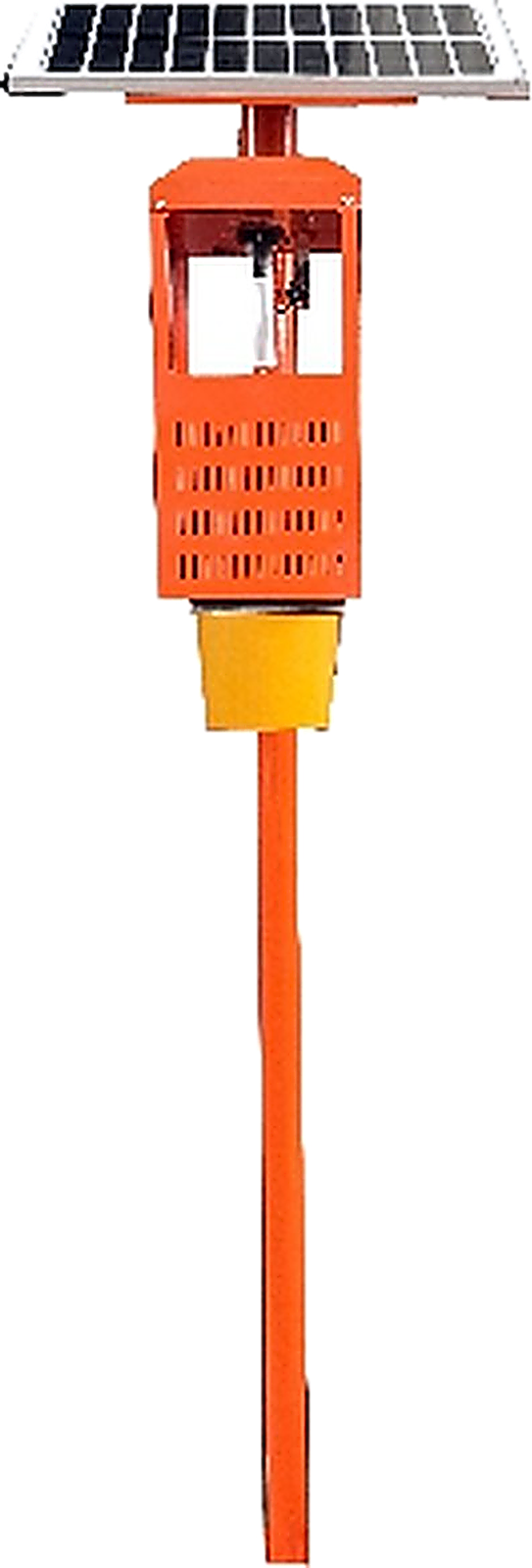
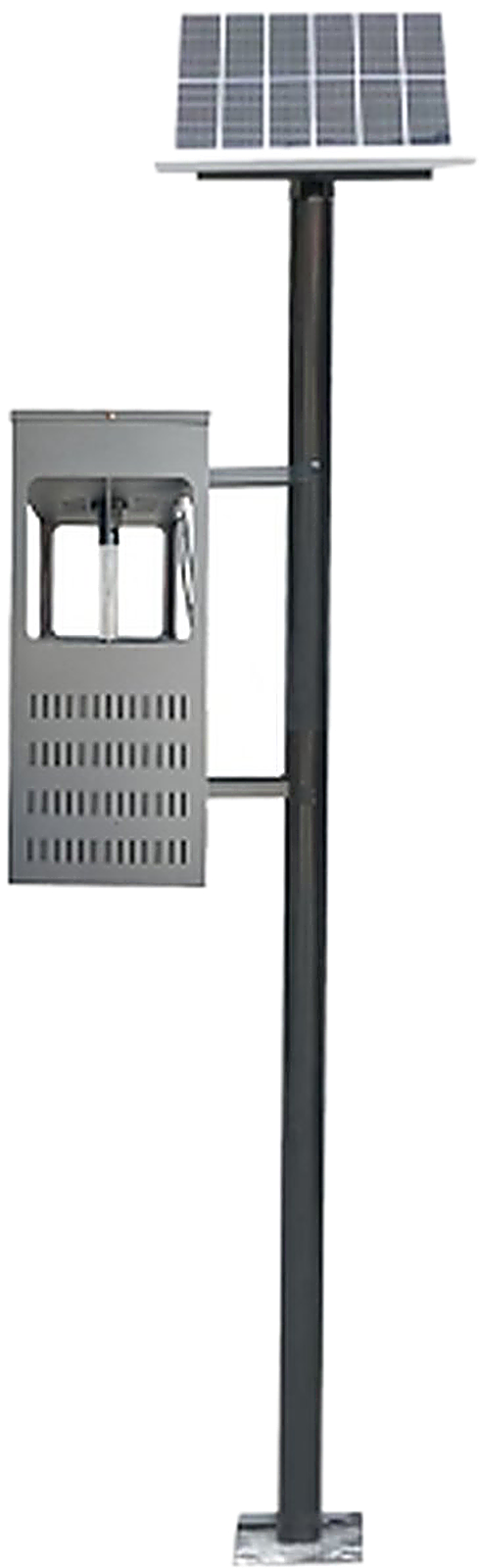
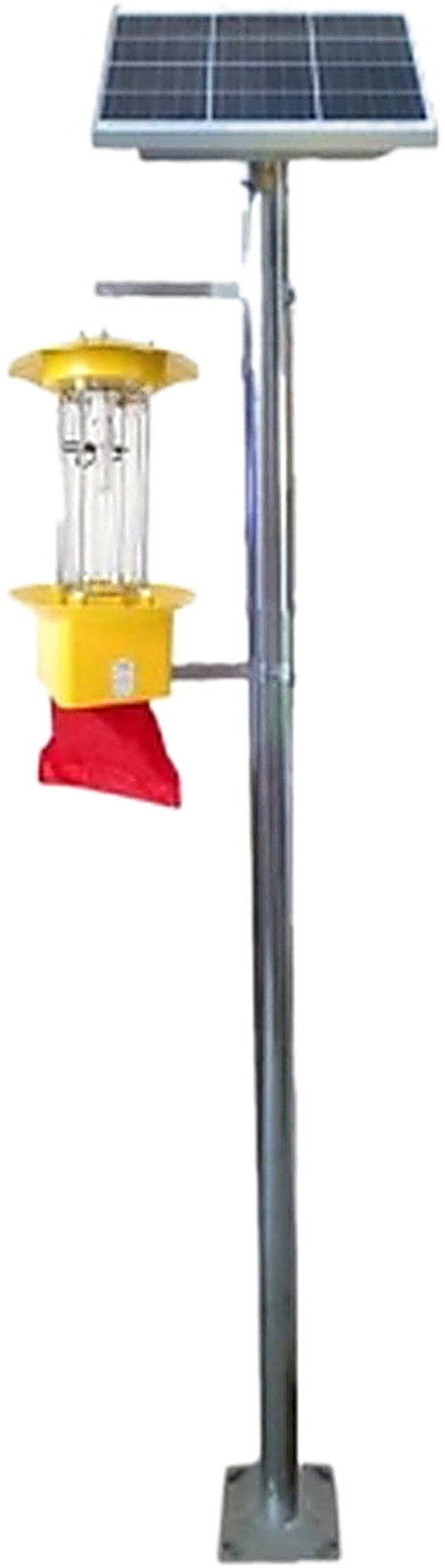
Blueberry bushes are low and dense, so placement matters more than with tree crops. Mount the solar insect killer 1.2–1.6 m above the canopy so the light sits just above the bush line where adult flies congregate at dusk. In tunnel rows, fix units to the support posts rather than the ground to avoid shading and irrigation splash. Choose a model with an IP65 sealed housing: berry blocks are irrigated frequently, and overspray plus humidity will shorten the life of open-grid designs.
A solar bug zapper with a collection tray is easier to inspect than a grid model, which helps crews confirm catch rates during the weekly check.

Use this guide alongside the references below to build a complete, defensible program.
For deeper technical and regulatory context, see the FAO Integrated Pest Management and the EPA safe pest control.
They reduce adult SWD populations when run nightly, especially as a complement to sanitation and monitoring. They are most effective as part of a wider agricultural pest control program rather than as a standalone treatment.
A practical rule is one solar insect killer per 0.5–0.8 hectare, starting on upwind edges, then infilling along access lanes where adult pressure concentrates.
Light-and-suction traps capture a range of nocturnal fliers, but they add no chemical residue, so they preserve the predator communities that sprays would otherwise harm. Border habitat further supports beneficials.
Quality units rated IP65 with sealed electronics perform reliably through rain and overspray. Monthly panel cleaning is the single most important maintenance step.
For blueberry growers, the solar insect killer delivers residue-free farm pest management against maggot, SWD, and thrips. It fits both tunnels and open fields, supports export compliance, and slots cleanly into a berry IPM plan. As residue limits tighten, light-based suppression is becoming core infrastructure rather than an experiment.